
Summary:
Engine Hesitation Diagnostics: When Your Car Stumbles During Acceleration
Engine hesitation occurs when your vehicle misfires, stumbles, or lacks power during acceleration, often indicating the air/fuel mixture isn’t being properly enriched or the ignition system is misfiring under load. This isn’t the same as a sluggish car—it’s a specific symptom where you feel a delay or stuttering motion when you press the accelerator.
The most common symptom is hesitation for a couple of seconds when you first press the gas pedal, and you might also notice it when driving uphill or when towing a heavy load. This hesitation makes merging onto highways or passing other vehicles stressful and even dangerous, and it’s often a sign that something isn’t right under the hood.
What Causes Engine Hesitation in Luxury and Classic Cars
If you’re experiencing engine hesitation during acceleration, it’s likely that your fuel injectors are clogged, as deposits build up over time causing them to become less efficient. This leads to decreased performance and poor fuel economy, with suboptimal engine performance naturally resulting in worse fuel efficiency.
Acceleration lag is often caused by a dirty or failing mass airflow (MAF) sensor, which measures air entering the engine so the ECU knows how much fuel to inject—if it’s dirty or faulty, it causes the engine to run too rich or too lean, resulting in acceleration lag. In speed-density fuel injection systems, the computer uses inputs from throttle position, manifold pressure, air temperature, and engine RPM to estimate airflow, and if any sensor input is inaccurate, the computer may not add enough fuel, causing a lean mixture and hesitation.
Vacuum leaks cause the engine to run lean intermittently, leading to fluctuating engine speed while idling, increased RPMs when changing gears, and hissing noises in the engine bay, naturally resulting in decreased performance, fuel economy, and poor throttle response. A clogged fuel filter can cause loss of power, poor fuel economy, stumbling, and hesitation, while a failing fuel pump can cause fuel starvation, especially when heading uphill, making your car hesitate during acceleration.
Professional Diagnostics vs. Guesswork: Why Expertise Matters
When diagnosing hesitation or stumbling, it’s important to work through the diagnostic process carefully and logically—don’t jump to conclusions or assume the worst, start with simple things first and continue from there. Diagnosing a hesitating car is the most difficult part of the job, so it’s best to scan for fault codes first, but if you don’t get any codes, starting with the MAF sensor is best since it’s easiest to test.
A scan tool that displays sensor data and fuel trim values helps diagnose hesitation problems, requiring checking the engine computer for fault codes and examining various sensor readings. When interpreting trouble codes, you need to read the signs and determine why a sensor is sending out-of-spec readings, as sometimes one problem triggers multiple trouble codes that all need analysis.
The difference between a basic mechanic and performance tuning expertise becomes clear here. While hesitation isn’t necessarily serious in terms of long-term damage, some damage can occur if you keep driving thousands of miles, though most common causes are easy and cheap to fix. However, proper diagnosis prevents the expensive trial-and-error approach that often costs more than the original problem.
Poor Fuel Economy Tuning: When Your Classic Car Drinks More Than It Should
When your engine runs rich, there’s too much fuel in the combustion chamber relative to air, causing the engine to consume more fuel than necessary and leading to poor fuel economy. In addition to engine knock, you may notice lower fuel economy and decreased engine performance, as worn or faulty spark plugs can lead to loss of engine power and fuel economy.
This isn’t just about spending more at the gas pump. Poor fuel economy often indicates your engine isn’t operating at peak efficiency, which means you’re not getting the performance you should from your investment.
The Real Cost of Ignoring Fuel Economy Issues
When your engine isn’t receiving the correct air-fuel ratio for proper function, it’s working below optimal efficiency, inevitably resulting in lower fuel economy and causing damage that reduces engine lifespan. Fuel system issues severely affect performance, causing loss of power, rough idling, stalling, and poor fuel economy, with difficulty starting the engine due to weak fuel delivery.
Loss of power during acceleration may indicate a clogged fuel filter or failing fuel pump restricting fuel flow, while decreased fuel efficiency suggests dirty injectors, and irregular fuel delivery can lead to misfires and hesitation. Dirty or contaminated fuel causes engine hesitation, power loss, and increased emissions, while water or debris in fuel can clog injectors and damage the fuel pump.
The cascading effects go beyond just fuel costs. Lower fuel efficiency means your engine isn’t operating as efficiently as it should, leading to higher fuel consumption, while improper combustion releases more pollutants, potentially causing your car to fail emissions tests. For classic car owners, this can mean failing to meet registration requirements or being unable to participate in certain events.
Modern Solutions for Classic Problems
Using high-quality fuel from trusted gas stations helps prevent contamination, and if you suspect bad fuel, draining and cleaning the fuel tank while adding fuel system cleaner removes contaminants, with regular fuel filter replacement and injector cleaner every 3,000-5,000 miles preventing costly repairs. Using fuel injector cleaner regularly helps clean injector tips and passageways, improving spray patterns for optimal combustion, while replacing oxygen sensors per schedule and following tune-up schedules prevent power loss issues.
However, modern fuel economy problems often require more sophisticated solutions than basic maintenance. Custom ECU tuning can improve throttle mapping, optimizing how quickly the throttle responds to inputs while increasing horsepower and torque, which contribute to better acceleration. The air-fuel ratio is crucial in the combustion process—if it’s too rich or too lean, the engine performs inefficiently.
Performance tuning addresses the root causes rather than just symptoms. A dirty fuel filter restricts fuel flow and affects engine performance, leading to slower throttle response, but regularly cleaning or replacing the fuel filter improves both throttle response and fuel economy. This comprehensive approach ensures your classic or luxury vehicle operates at the efficiency level it was designed for.
Getting Professional Performance Tuning in Oakland County, MI
In professional tuning environments, the goal isn’t to eliminate all knock at any cost, but to identify where the true knock threshold lies and calibrate safely just below it using high-resolution knock detection tools—the art lies in maximizing output while preserving engine integrity. Engine knock is a scary phenomenon that can cause catastrophic damage if left alone, so you should stop driving your car immediately and address the issue if you hear knocking.
If you experience any symptoms of engine knocking, it’s essential to have your vehicle inspected by technicians to diagnose and address the issue promptly—don’t ignore the signs of engine knocking. The difference between routine maintenance and performance tuning becomes clear when you need expertise that goes beyond basic service.
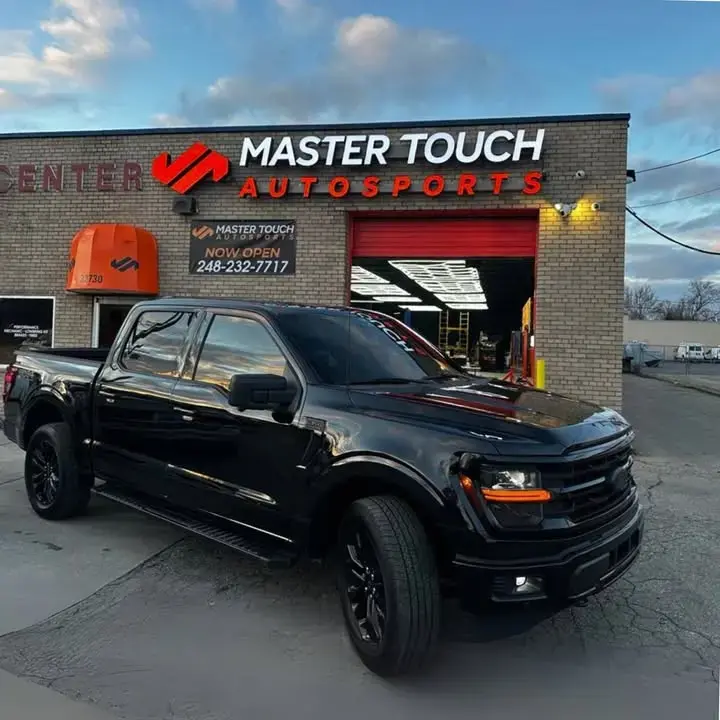
When you choose us at Master Touch AutoSports for your performance tuning needs in Oakland County, MI, you’re working with professionals who understand that your luxury or classic vehicle deserves more than a one-size-fits-all approach. Our comprehensive diagnostic capabilities and decades of experience ensure we identify the real issues affecting your vehicle’s performance, not just the obvious symptoms.