Summary:
Why Your Car Needs Protection from UV Damage
UV rays don’t just give you a sunburn—they’re constantly breaking down your car’s paint, plastic, and interior materials. Every time your car sits in the sun, those rays are oxidizing the paint, fading the color, and making the clear coat chalky and dull.
The damage happens gradually, so you might not notice it day to day. But compare your car’s paint to a section that’s been covered, like under a roof rack or behind a bumper sticker, and you’ll see the difference. That’s thousands of dollars in resale value disappearing, plus the frustration of driving something that looks worn out before its time.
How Ceramic Coatings Block UV Rays at the Source
Ceramic coatings work differently than wax or sealants. Instead of sitting on top of your paint and wearing off, they bond chemically with the clear coat to create a permanent protective layer. This layer contains UV inhibitors that block harmful rays before they can reach your paint.
Think of it like sunscreen for your car, except it doesn’t wash off or need constant reapplication. The ceramic coating creates a barrier that’s harder than your original clear coat, so it not only blocks UV damage but also resists scratches, chemical stains, and environmental contaminants.
The hydrophobic properties mean water beads up and rolls off, taking dirt and grime with it. This isn’t just about looking good—it’s about making your car easier to clean and keeping contaminants from bonding to the surface where they can cause long-term damage.
Professional-grade ceramic coatings can last 3-5 years with proper maintenance, compared to wax that needs reapplication every few months. You’re not just getting better protection; you’re getting more convenience and long-term value.
What Makes Professional Application Worth the Investment
Ceramic coatings work differently than wax or sealants. Instead of sitting on top of your paint and wearing off, they bond chemically with the clear coat to create a permanent protective layer. This layer contains UV inhibitors that block harmful rays before they can reach your paint.
Think of it like sunscreen for your car, except it doesn’t wash off or need constant reapplication. The ceramic coating creates a barrier that’s harder than your original clear coat, so it not only blocks UV damage but also resists scratches, chemical stains, and environmental contaminants.
The hydrophobic properties mean water beads up and rolls off, taking dirt and grime with it. This isn’t just about looking good—it’s about making your car easier to clean and keeping contaminants from bonding to the surface where they can cause long-term damage.
Professional-grade ceramic coatings can last 3-5 years with proper maintenance, compared to wax that needs reapplication every few months. You’re not just getting better protection; you’re getting more convenience and long-term value.
How Window Tints Protect Your Interior and Keep You Comfortable
Window tinting isn’t just about looks or privacy—it’s one of the most effective ways to protect your car’s interior from UV damage. Quality window film blocks up to 99% of UV rays, preventing your dashboard, seats, and trim from fading and cracking.
The temperature reduction is immediate and noticeable. Professional window tints can reduce interior temperatures by 15-20 degrees, which means less strain on your air conditioning and more comfortable driving. Your car stays cooler when parked, and you’re not burning your hands on the steering wheel or sticking to hot seats.
Different Types of Window Tint and What They Do
Not all window tints are created equal, and understanding the differences helps you make the right choice for your needs and budget. Dyed films are the most affordable option, but they primarily provide privacy and basic heat reduction. Over time, the dye can fade and turn purple, especially in intense sun.
Metalized films contain tiny metallic particles that reflect heat and UV rays. They’re more durable than dyed films and provide better heat rejection, but they can interfere with radio signals and GPS reception. They also have a more reflective appearance that some people prefer to avoid.
Ceramic window tints represent the premium option. They use ceramic particles instead of dyes or metals, providing superior heat rejection and UV protection without signal interference. Ceramic films don’t fade over time and maintain their appearance and performance for the life of the film.
Carbon films offer a middle ground between performance and cost. They provide good heat rejection and UV protection with a matte finish that many people find attractive. They don’t fade like dyed films but don’t quite match the performance of ceramic options.
The choice often comes down to your priorities: maximum performance, specific appearance preferences, or budget considerations. We can help you understand how each option performs in real-world conditions and recommend the best fit for your vehicle and needs.
Legal Requirements and Practical Considerations for Window Tinting
Michigan has specific laws about window tint darkness, and understanding these requirements helps you avoid tickets and potential safety issues. The front side windows must allow at least 70% of light through, while rear windows can be tinted darker. The windshield can have a tint strip along the top, but it can’t extend more than 4 inches down.
These laws exist for safety reasons—law enforcement needs to see inside vehicles during traffic stops, and you need adequate visibility for safe driving. We know these requirements and can recommend tint levels that provide maximum benefits while staying within legal limits.
Quality of installation matters as much as the film itself. Poor installation leads to bubbling, peeling, and uneven appearance that looks unprofessional and reduces the tint’s effectiveness. We have the tools and experience to cut film precisely, apply it without bubbles or contamination, and ensure it adheres properly for long-term performance.
Warranty coverage is another important consideration. Professional installation typically comes with warranties that cover both the film and the labor. This protection is valuable because even high-quality films can fail if they’re not installed correctly or if there are defects in the material.
Maintenance is minimal with quality window tint, but there are some things to know. Avoid using ammonia-based cleaners, which can damage the film. Wait a few days after installation before rolling windows down to allow the film to cure properly. With proper care, quality window tint can last 10-15 years or more.
Protecting Your Investment with Professional Car Detailing Services
Your car represents a significant investment, and protecting it from sun damage isn’t just about appearance—it’s about maintaining value and avoiding costly repairs down the road. Ceramic coatings and professional window tints provide real, measurable protection that pays for itself over time.
The key is working with experienced professionals who understand both the products and the proper application techniques. Quality materials and expert installation make the difference between protection that lasts and money wasted on solutions that fail prematurely.
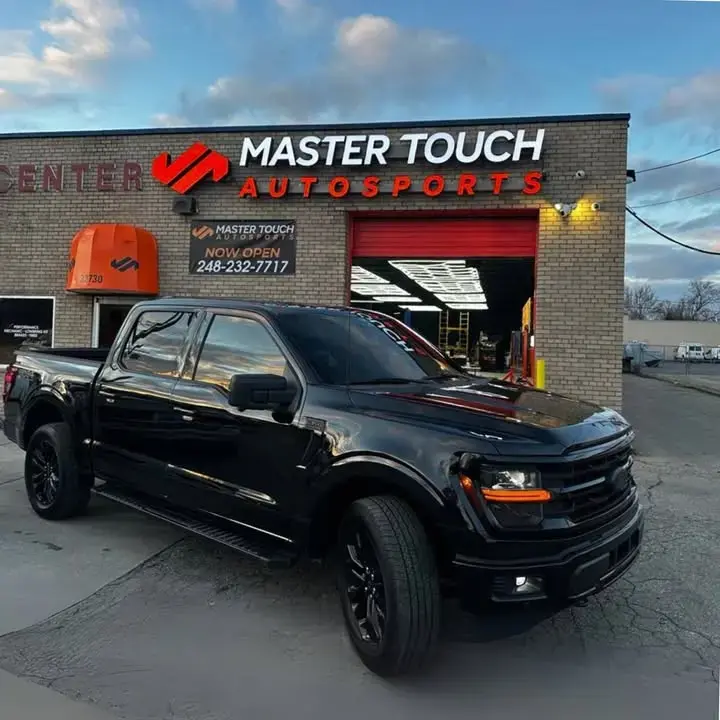
At Master Touch AutoSports, we specialize in these protective services for Oakland County vehicle owners who want real results. The investment in professional protection today saves you money and frustration tomorrow while keeping your car looking its best for years to come.