Summary:
What Ceramic Coating Actually Does for Your Car
Ceramic coating isn’t magic, but it’s pretty close when it comes to protecting your vehicle’s paint. Think of it as a semi-permanent shell that bonds to your car’s clear coat at a molecular level.
This creates a hydrophobic surface that repels water, dirt, and contaminants. More importantly for Michigan drivers, it provides a barrier against road salt and the corrosive chemicals used on our roads every winter.
The coating typically lasts 2-5 years depending on the product quality and how well you maintain it. That’s significantly longer than traditional wax or sealants that need reapplication every few months.
How Ceramic Coating Protects Against Michigan Weather
Michigan throws everything at your car. Road salt in winter, UV rays in summer, and enough potholes to rattle your fillings loose. Ceramic coating addresses most of these challenges head-on.
The hydrophobic properties mean water and salt don’t stick around long enough to cause serious damage. When you wash your car, contaminants slide off easier, reducing the scrubbing and potential scratching that happens with regular washing.
UV protection is another major benefit. Michigan summers can be surprisingly harsh on paint, especially if you park outside. The coating acts like sunscreen for your car, preventing oxidation and fading that makes vehicles look aged and worn.
Temperature fluctuations are where ceramic coating really shines. Traditional wax becomes brittle in cold weather and can actually trap contaminants against your paint. Ceramic coating maintains its protective properties regardless of temperature, giving you consistent protection year-round.
The chemical resistance is crucial for Michigan drivers. Road salt, de-icing chemicals, and even bird droppings won’t etch into your paint as easily. This means fewer permanent stains and less chance of needing expensive paint correction down the road.
Real Cost Analysis: Ceramic Coating vs Regular Detailing
Michigan throws everything at your car. Road salt in winter, UV rays in summer, and enough potholes to rattle your fillings loose. Ceramic coating addresses most of these challenges head-on.
The hydrophobic properties mean water and salt don’t stick around long enough to cause serious damage. When you wash your car, contaminants slide off easier, reducing the scrubbing and potential scratching that happens with regular washing.
UV protection is another major benefit. Michigan summers can be surprisingly harsh on paint, especially if you park outside. The coating acts like sunscreen for your car, preventing oxidation and fading that makes vehicles look aged and worn.
Temperature fluctuations are where ceramic coating really shines. Traditional wax becomes brittle in cold weather and can actually trap contaminants against your paint. Ceramic coating maintains its protective properties regardless of temperature, giving you consistent protection year-round.
The chemical resistance is crucial for Michigan drivers. Road salt, de-icing chemicals, and even bird droppings won’t etch into your paint as easily. This means fewer permanent stains and less chance of needing expensive paint correction down the road.
Choosing the Right Car Detailing Service for Ceramic Coating
Not all auto detailing shops are equipped to handle ceramic coating properly. The application process requires specific training, controlled environment, and quality control measures that separate professional services from basic detail shops.
Look for shops that specialize in paint protection and have certified technicians. The prep work is crucial – any contamination or imperfection in the paint will be locked in under the coating. You want someone who knows how to properly decontaminate and correct paint before application.
What to Expect During Professional Ceramic Coating Application
Professional ceramic coating isn’t a quick process. Expect your vehicle to be in the shop for 2-4 days depending on its condition and the coating system being applied.
The process starts with thorough washing and decontamination using clay bars and iron removers to eliminate embedded contaminants. Paint correction follows, addressing any swirl marks, scratches, or oxidation that would be visible under the coating.
Surface preparation is critical. The paint must be completely clean and free of oils, waxes, or previous sealants. We use isopropyl alcohol or specialized prep solutions to ensure proper bonding.
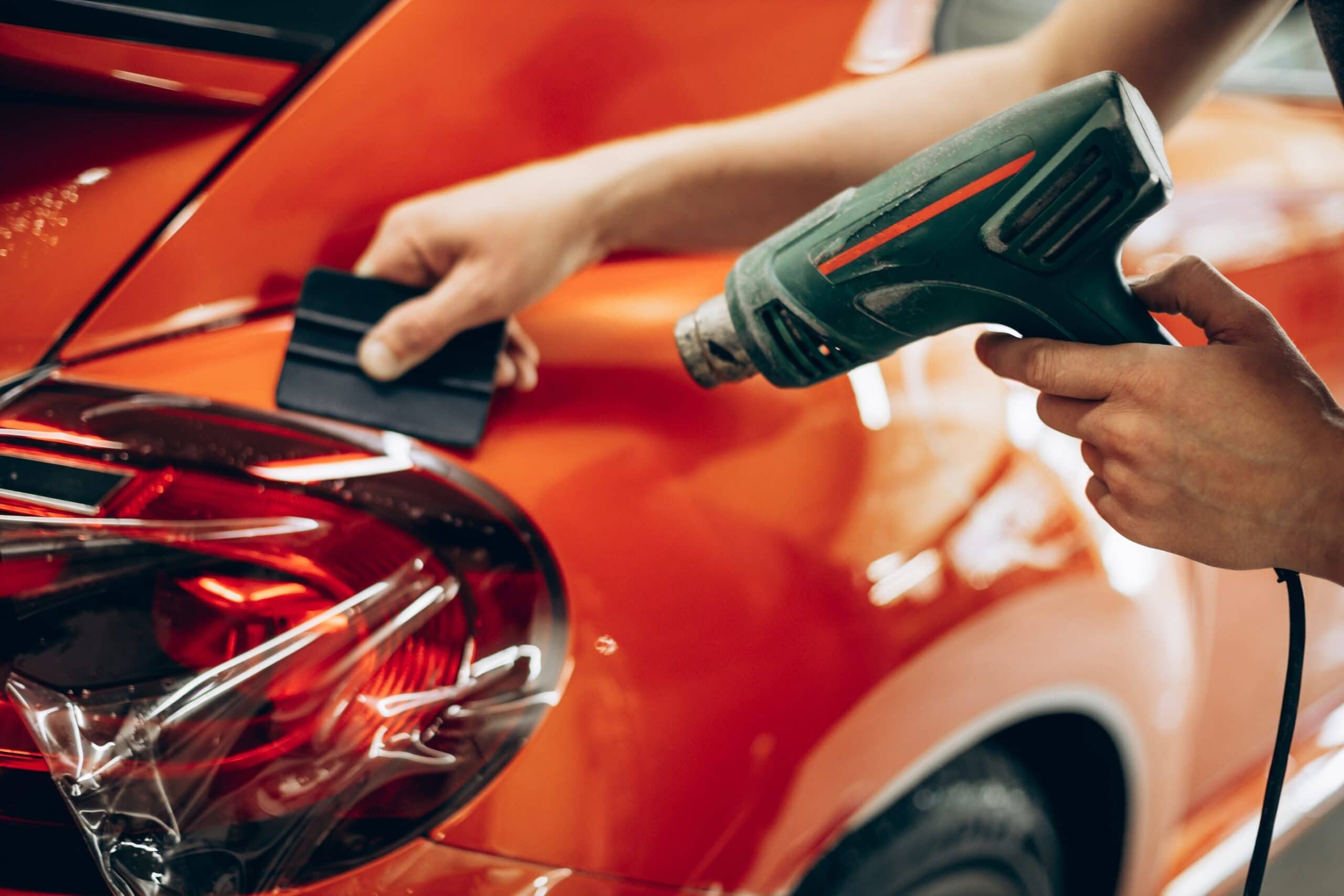
Application happens in sections using specialized applicators and microfiber cloths. The coating needs to be leveled properly and removed at specific intervals to prevent high spots or streaking. Temperature and humidity control during application affects the final result.
Curing time varies by product but typically requires 12-24 hours before the vehicle can be exposed to moisture. Some coatings require multiple layers applied over several days for maximum thickness and durability.
Quality control includes inspection under different lighting conditions to ensure even coverage and proper bonding. We document the process and provide care instructions for maintaining the coating.
Maintaining Your Ceramic Coating Investment
Ceramic coating isn’t maintenance-free, but it makes car care significantly easier. Understanding proper maintenance ensures you get the full lifespan and benefits from your investment.
Regular washing becomes simpler but more important. Use pH-neutral car shampoos and avoid automatic car washes with harsh chemicals or brushes. The two-bucket wash method prevents reintroducing contaminants that could degrade the coating over time.
Drying technique matters more than you might think. Water spots can still form on ceramic coatings, especially in areas with hard water. Use clean microfiber towels or a filtered water system for final rinses to prevent mineral deposits.
Periodic maintenance with ceramic coating boosters or toppers can extend the life and enhance the hydrophobic properties. These products are applied every 6-12 months and help maintain the coating’s performance characteristics.
Avoid common mistakes that can damage ceramic coatings. Don’t use wax or traditional sealants over the coating. Avoid parking under trees where sap and bird droppings can cause issues. Address contamination quickly rather than letting it sit and potentially bond to the coating.
Professional maintenance inspections every 12-18 months can identify any areas where the coating may be wearing thin or damaged. Early intervention can prevent the need for complete reapplication and maintain your investment’s value.
Making the Right Choice for Your Vehicle
Ceramic coating makes sense for Michigan drivers who want long-term paint protection and easier maintenance. The upfront investment pays off through reduced detailing costs, better resale value, and protection against our harsh climate.
The key is choosing a qualified detailing service that understands both the technical aspects of ceramic coating and the specific challenges Michigan vehicles face. Don’t rush the decision – quality application makes all the difference in results and longevity.
If you’re considering ceramic coating for your vehicle in Oakland County, we have the expertise and equipment to deliver professional results that stand up to Michigan’s demanding conditions.