Summary:
What Makes a Car Customization Shop Worth Your Investment
Not all auto modification shops are created equal. Some specialize in quick cosmetic changes, others focus on serious performance work, and a select few can handle everything from routine maintenance to full custom builds.
The shops worth your time have something in common: they treat every project like it matters. They use quality parts, employ experienced technicians, and stand behind their work. Most importantly, they listen to what you want and guide you toward realistic solutions that fit your budget and timeline.
Look for a shop that’s been around long enough to build a reputation. Experience matters when you’re trusting someone with your vehicle—and your money.
How to Evaluate a Shop's Technical Expertise and Experience
Experience isn’t just about years in business—it’s about the breadth and depth of work a shop has handled. A quality car customization shop should be able to show you examples of projects similar to yours, whether that’s performance tuning, custom paint work, or interior modifications.
Ask about their technicians’ certifications and training. Professional shops invest in ongoing education because automotive technology constantly evolves. They should also have relationships with reputable parts suppliers and be able to source quality components for your specific make and model.
Don’t be afraid to ask detailed questions about their process. How do they handle project timelines? What happens if they encounter unexpected issues? How do they ensure quality control throughout the work? A professional shop will welcome these questions because they’re confident in their processes.
Pay attention to their facility too. Clean, organized shops with proper equipment typically produce better results than cluttered spaces with outdated tools. The condition of their workspace often reflects the quality of their work.
Understanding Pricing, Timelines, and Communication Standards
Transparent pricing separates professional shops from the ones that’ll give you headaches. Quality shops provide detailed estimates that break down parts and labor costs. They explain what’s included and what might be additional. Most importantly, they discuss potential complications upfront rather than surprising you with extra charges later.
Realistic timelines matter just as much as fair pricing. Professional shops understand that rushing quality work leads to problems. They’ll give you honest timeframes and keep you updated on progress. If they promise your car back in two days for a complex modification, that’s a red flag.
Communication makes or breaks the customer experience. The best shops assign you a point of contact who understands your project and can answer questions without passing you around. They send progress photos, explain delays if they occur, and make sure you’re comfortable with any changes before proceeding.
Look for shops that offer some form of warranty on their work. This shows they’re confident in their quality and willing to stand behind what they do. A shop that won’t warranty their work is telling you something important about their confidence level.
Matching Your Project to the Right Specialization
Different types of customization require different expertise. Performance tuning demands knowledge of engine management, exhaust systems, and suspension dynamics. Body kit installation requires precision fitting and paint matching skills. Interior upgrades need upholstery experience and electrical knowledge for modern features.
Some shops excel at everything, but many specialize in specific areas. A shop that’s amazing at vinyl wraps might not be your best choice for turbo installation. Understanding a shop’s strengths helps you make the right match for your specific project.
Don’t assume that bigger is always better, or that a shop that works on exotic cars can’t handle your daily driver. Focus on finding the shop whose expertise aligns with your needs and whose approach matches your expectations.
Performance Upgrades vs. Aesthetic Modifications: Different Skills Required
Performance modifications and aesthetic upgrades require fundamentally different skill sets, even though some shops handle both well. Performance work involves understanding how modifications affect engine management, emissions compliance, and vehicle dynamics. It requires diagnostic equipment, tuning software, and experience with how different modifications interact with each other.
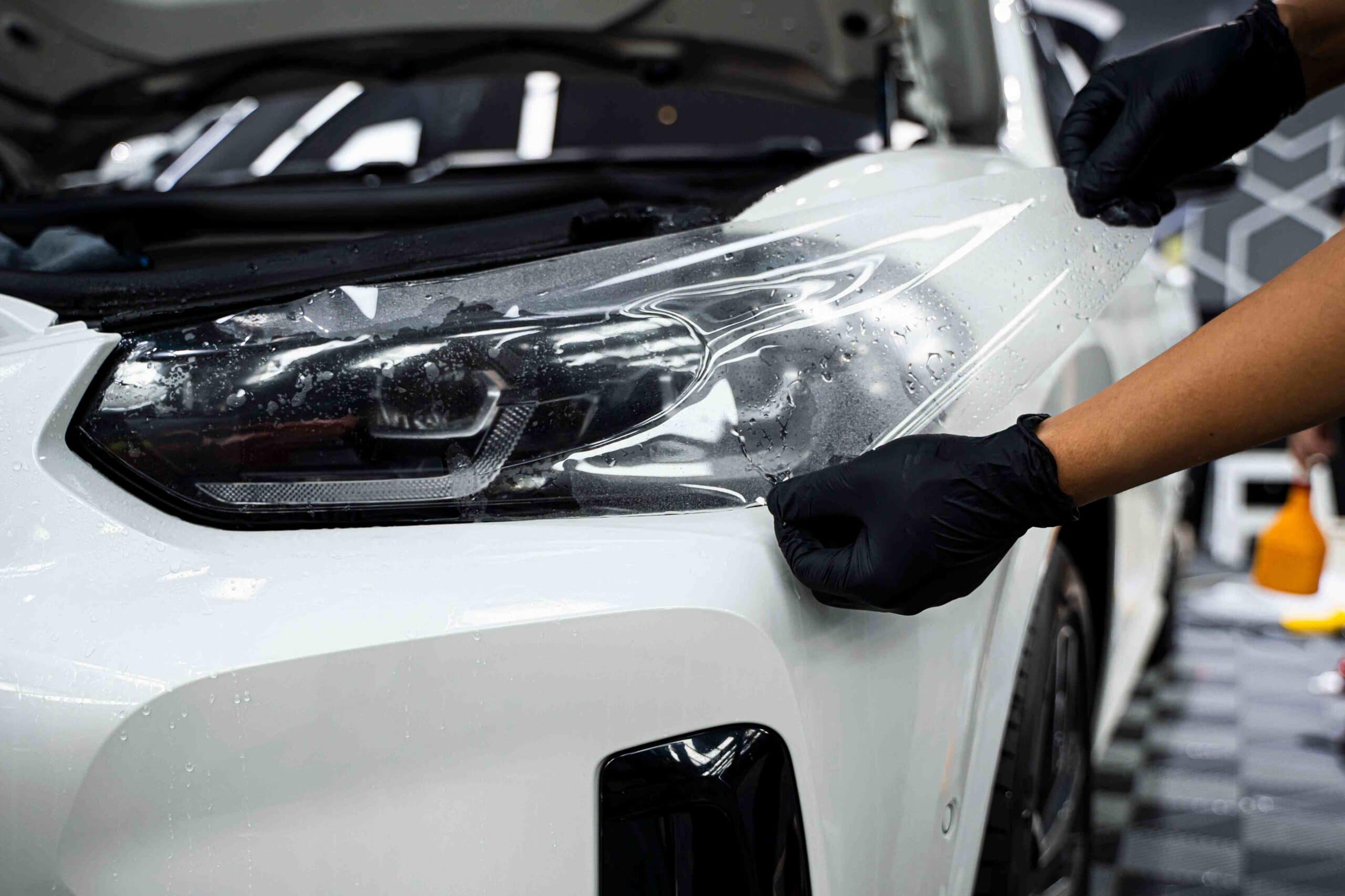
Aesthetic modifications like custom paint, vinyl wraps, body kits, and interior upgrades focus more on craftsmanship, attention to detail, and artistic vision. These projects require different tools, materials, and techniques. The best aesthetic shops have experience with color matching, surface preparation, and finishing techniques that ensure long-lasting results.
If your project combines both performance and aesthetic elements, you need a shop with expertise in both areas, or you might need to work with multiple specialists. There’s nothing wrong with using different shops for different aspects of your build—in fact, it often produces better results than trying to force one shop to handle work outside their expertise.
Consider the complexity of your modifications too. Simple bolt-on upgrades require less specialized knowledge than custom fabrication or engine rebuilds. Match the complexity of your project to the shop’s demonstrated capabilities.
Classic Car Restoration vs. Modern Vehicle Customization
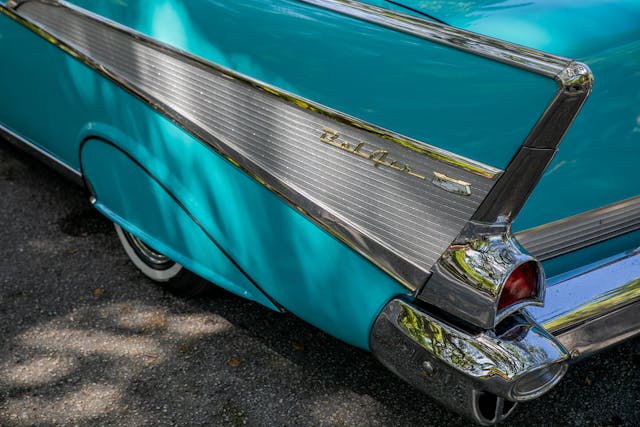
Classic car restoration and modern vehicle customization are almost different trades entirely. Classic restoration requires knowledge of older manufacturing techniques, access to period-correct or reproduction parts, and often involves fabrication skills for components that are no longer available. Restoration shops need experience with older electrical systems, carburetors, and mechanical components that modern technicians rarely encounter.
Modern vehicle customization deals with computer-controlled systems, advanced materials, and integration with existing electronic networks. Today’s cars have dozens of computers that need to communicate properly after modifications. Modern shops need diagnostic equipment, programming capabilities, and understanding of how modifications affect warranty coverage.
Some shops excel at both, but many specialize in either classic or modern work. Classic specialists often have relationships with parts suppliers who focus on vintage components, while modern shops have connections with performance aftermarket companies developing cutting-edge products.
The approach is different too. Classic restoration often aims to preserve or return a vehicle to original specifications, while modern customization typically focuses on improving performance, appearance, or functionality beyond factory standards. Make sure the shop you choose understands and shares your vision for your project.
Making Your Final Decision with Confidence
Choosing the right car customization shop comes down to matching your project’s requirements with a shop’s demonstrated capabilities and approach. Look for experience with projects like yours, transparent communication, fair pricing, and a commitment to quality that shows in their work and their willingness to stand behind it.
Don’t rush this decision. Take time to visit shops, ask questions, and get detailed estimates. The right shop will welcome your questions and provide clear, honest answers. Trust your instincts—if something feels off during your initial interactions, it probably won’t get better once work begins.
Remember that the cheapest option rarely delivers the best value, especially for complex modifications. Focus on finding a shop that understands your vision and has the skills to execute it properly. When you find the right match, you’ll have a partner who can help bring your automotive dreams to life. We’ve been helping Oakland County vehicle owners with exactly these decisions for over 40 years.