PPF in Auburn Hills, MI

Your Paint Stays Perfect Longer

Professional paint protection film installation that actually works when Michigan roads try their worst.
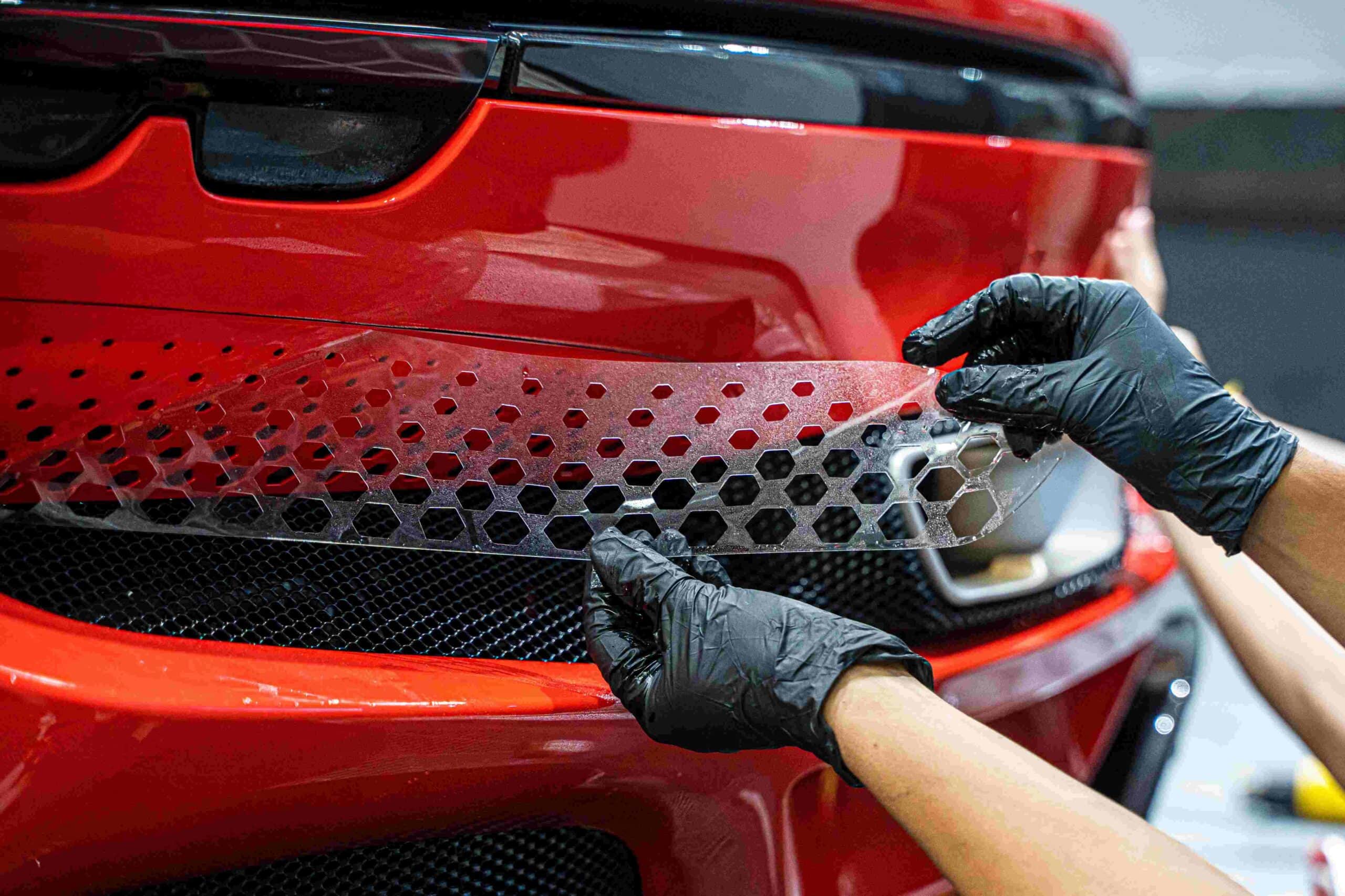
At a custom auto shop in Oakland County, MI, hands in black gloves carefully apply a perforated protective film to the front of a sleek red car bumper.

Hear from Our Customers

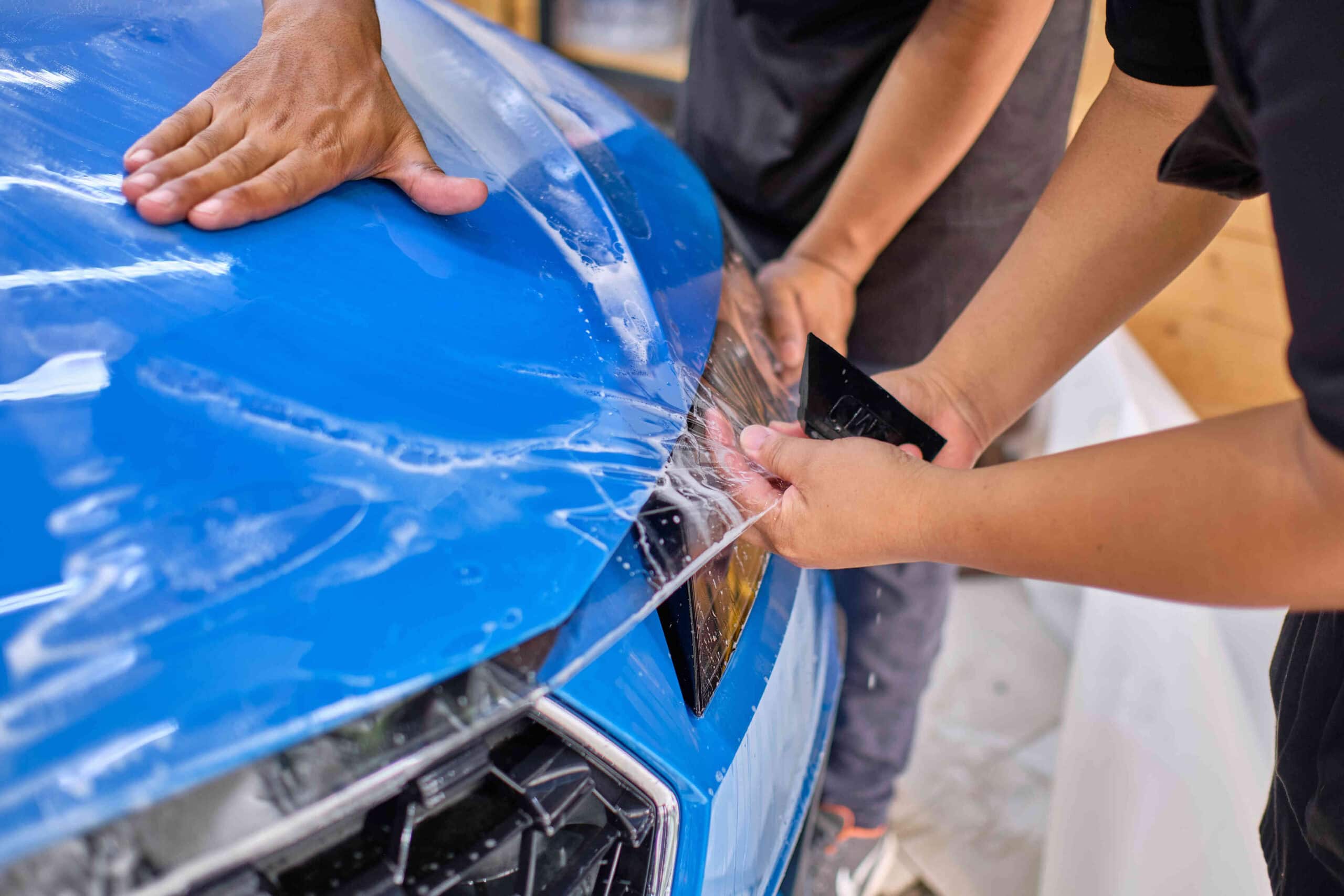
At a custom auto shop in Oakland County, MI, two technicians carefully apply a protective film to the front of a blue car. One smooths the film diligently while the other holds it steady, ensuring it adheres perfectly to the vehicle's surface.

Paint Protection Film Auburn Hills

What PPF Actually Does

Your car faces a lot out there. Road salt eats paint. Stone chips happen faster than you think. Weather takes its toll every single day.

Paint protection film changes that equation completely. You get an invisible shield that takes the hits so your original paint doesn’t have to. The film absorbs impact from debris, resists chemical damage from road treatments, and even heals minor scratches on its own.

Most people don’t realize how much their vehicle’s appearance affects resale value until it’s too late. PPF keeps your paint looking new, which means your investment holds its value. When you’re ready to sell or trade, you’ll see the difference in offers.

Auburn Hills PPF Installation

We Know Auburn Hills Roads

We’ve been protecting vehicles in Auburn Hills for years. We understand what Michigan weather and roads do to paint, and we know exactly how to stop it.

Our facility is set up specifically for precision PPF installation. Climate-controlled environment, proper lighting, and the right tools make all the difference. We’ve worked on everything from daily drivers to show cars, and every installation gets the same attention to detail.

You’re not just getting film applied to your car. You’re getting protection installed by people who understand both the product and the local conditions that make it necessary.
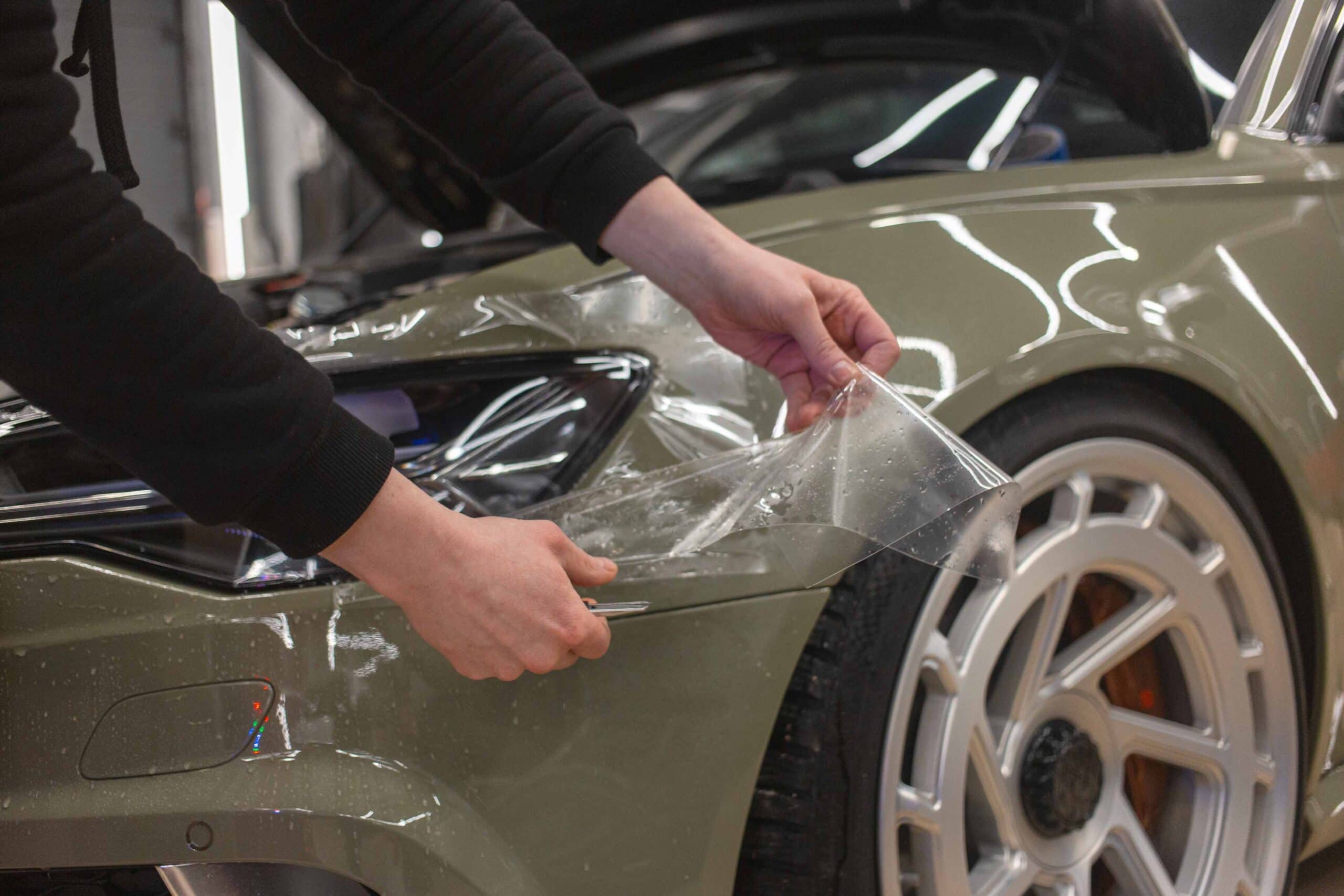
At a custom auto shop in Oakland County, MI, a person meticulously applies a clear protective film to the front fender of a matte olive green car, concentrating on the area above the wheel. The hood is open, revealing their black-sleeved arm as they work with precision.

PPF Installation Process Auburn Hills

Here's How We Protect Your Paint

First, we clean and prep your vehicle’s surface completely. Any contamination or imperfection affects how the film adheres, so this step matters more than most people realize.

Next comes the precision cutting and fitting. We use computer-cut patterns when available, but every vehicle gets hand-trimmed edges for perfect coverage. The film goes on wet, which lets us position it exactly right before final adhesion.

The final step is squeegee work and edge sealing. This is where experience shows. Proper technique eliminates air bubbles and ensures the film bonds correctly. After installation, the adhesive continues curing for about a week, reaching full strength and clarity.
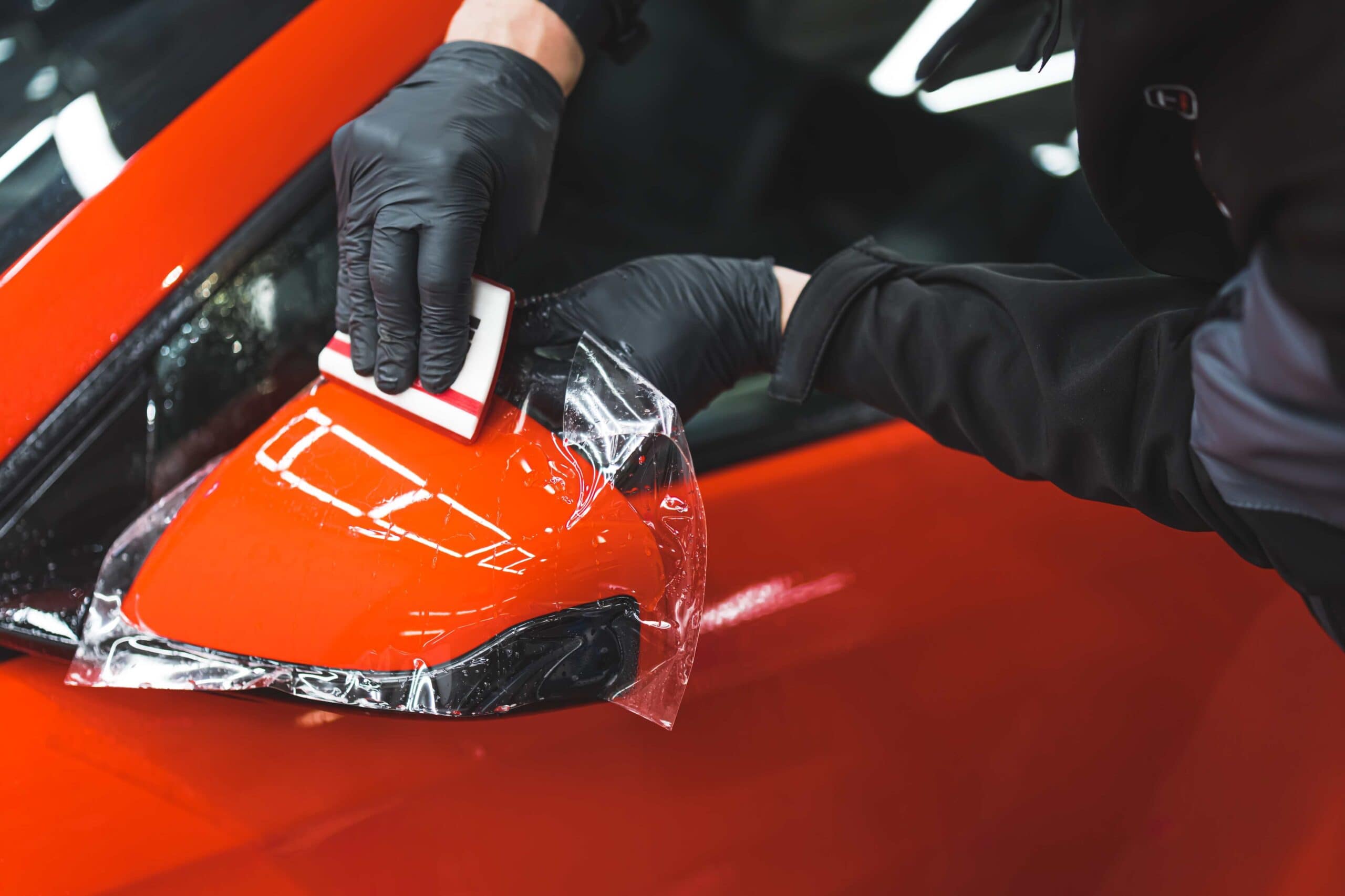
At a custom auto shop in Oakland County, MI, someone wearing black gloves expertly applies a protective film to a red car's side mirror using a small tool, ensuring the smoothest application process.

Ready to get started?

Explore More Services

About Master Touch Autosports

Get a Free Consultation

Clear Bra Installation Auburn Hills

What's Included With Your PPF

Every PPF installation includes thorough surface preparation, precision cutting, professional application, and post-installation inspection. We cover the areas you choose, from basic front-end protection to full-vehicle coverage.

The film itself comes with manufacturer warranty coverage. Our installation is backed by our workmanship guarantee. You get care instructions and maintenance recommendations to keep your protection performing at its best.

Auburn Hills drivers deal with construction zones, highway debris, and winter road treatments year-round. Your PPF installation is designed to handle all of it while staying invisible. Most people can’t tell protected areas from unprotected ones until they see the difference in condition over time.
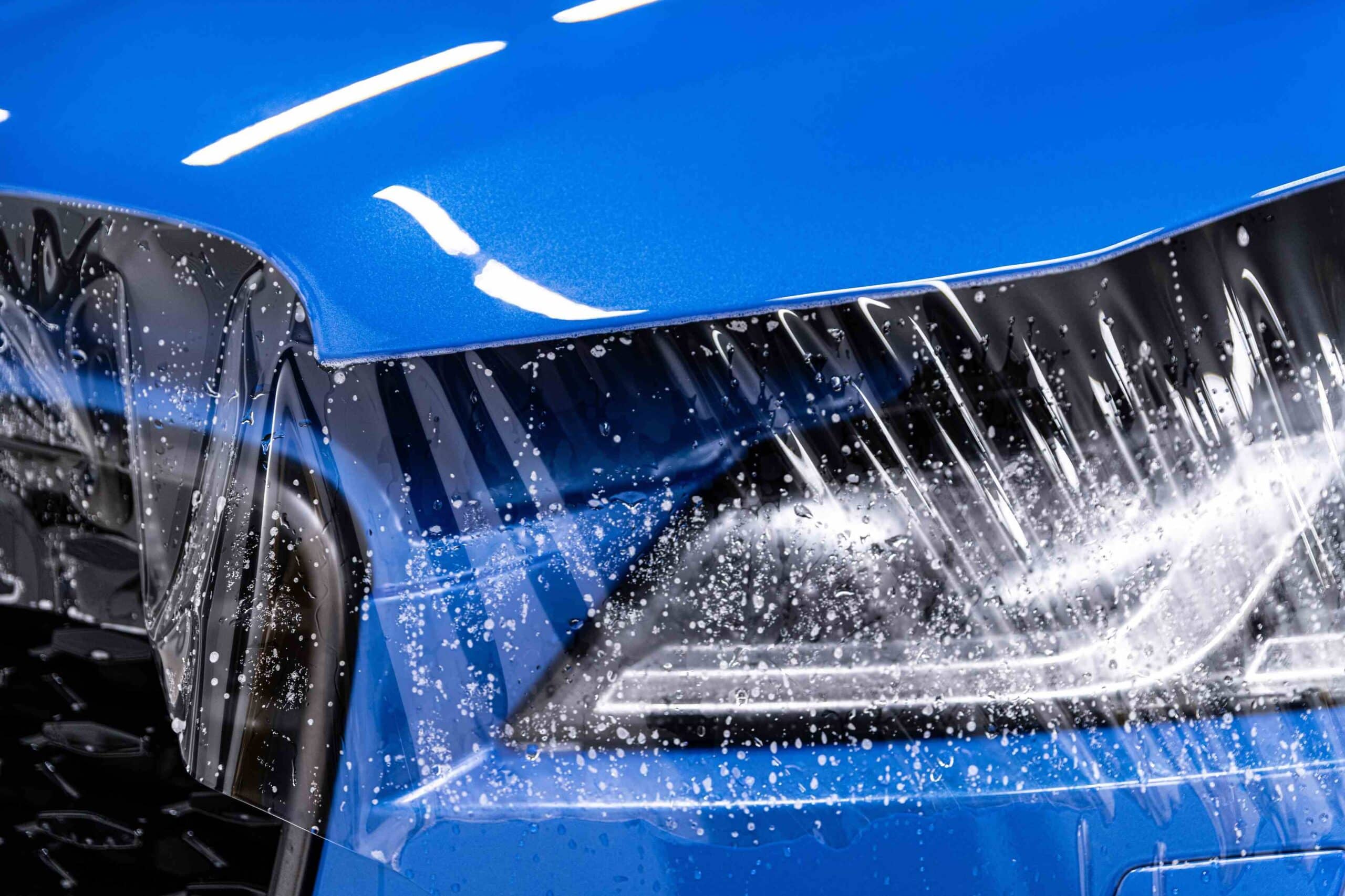
Close-up of a blue car's front end at a custom auto shop in Oakland County, MI, as a transparent protective film is applied over the headlight and part of the hood. Water droplets are visible on the surface, reflecting the light above.
Quality PPF typically lasts 7-10 years with proper care. The film’s lifespan depends on several factors including sun exposure, maintenance, and driving conditions. In Auburn Hills, where we deal with road salt and harsh winters, PPF actually tends to last longer because it’s not fighting constant UV exposure like in southern climates. The film may start showing signs of aging around the edges first, but the protected paint underneath stays perfect. Most of our customers are amazed at how good their original paint looks when they eventually remove or replace the film.
No, properly installed PPF removes cleanly without damaging factory paint. The adhesive is designed to bond with the clear coat, not penetrate it. When it’s time for removal, we use heat and proper techniques to lift the film without leaving residue or causing damage. Actually, the paint under PPF often looks better than unprotected areas because it’s been shielded from UV rays, contaminants, and minor abrasions. The key is professional installation and removal – DIY attempts or low-quality films can cause problems, but quality PPF installed correctly is completely reversible.
PPF costs vary based on coverage area and vehicle complexity. Basic front-end protection (hood, bumper, headlights, mirrors) typically runs less than full-vehicle coverage. Luxury vehicles and cars with complex curves require more time and material, affecting price. The investment makes sense when you consider paint repair costs – a single hood repaint can cost more than PPF protection that lasts years. We provide detailed quotes based on your specific vehicle and coverage preferences. Most customers find the peace of mind and resale value protection worth the upfront investment.
Quality PPF is virtually invisible when installed correctly. You might notice slight texture differences in certain lighting conditions, but most people can’t tell protected areas from unprotected ones. The film is optically clear and doesn’t change your paint’s appearance or color. Poor installation or low-quality film can create visible edges, bubbles, or haziness, which is why professional installation matters. After the adhesive fully cures, even the edges blend seamlessly. The only way most people discover PPF is when they see how much better the protected areas look compared to unprotected paint over time.
PPF maintenance is actually easier than maintaining unprotected paint. You can wash it normally with car soap and water. The film’s smooth surface releases dirt and contaminants more easily than regular paint. Avoid petroleum-based products and abrasive compounds, but standard car care products work fine. The self-healing properties activate with heat, so minor scratches often disappear in sunlight or with warm water. Waxing isn’t necessary for protection, but you can apply wax or sealant if you want extra gloss. The film actually makes your car easier to keep clean because contaminants don’t bond as strongly to the surface.
The front end takes the most abuse, so hood, bumper, headlights, and mirrors are the highest priority areas. These surfaces catch road debris, bug impacts, and stone chips from other vehicles. Many Auburn Hills drivers also protect the door edges, rocker panels, and rear bumper areas that see damage from parking lots and daily use. Full-vehicle coverage offers complete protection but isn’t necessary for everyone. We recommend starting with high-impact areas and adding coverage based on your driving habits and budget. The front-end protection alone prevents most of the damage that affects appearance and resale value.
Scroll to Top