PPF in Bloomfield Hills, MI

Your Paint Stays Perfect, Period

Professional paint protection film that actually works—invisible shield, visible results for your investment.
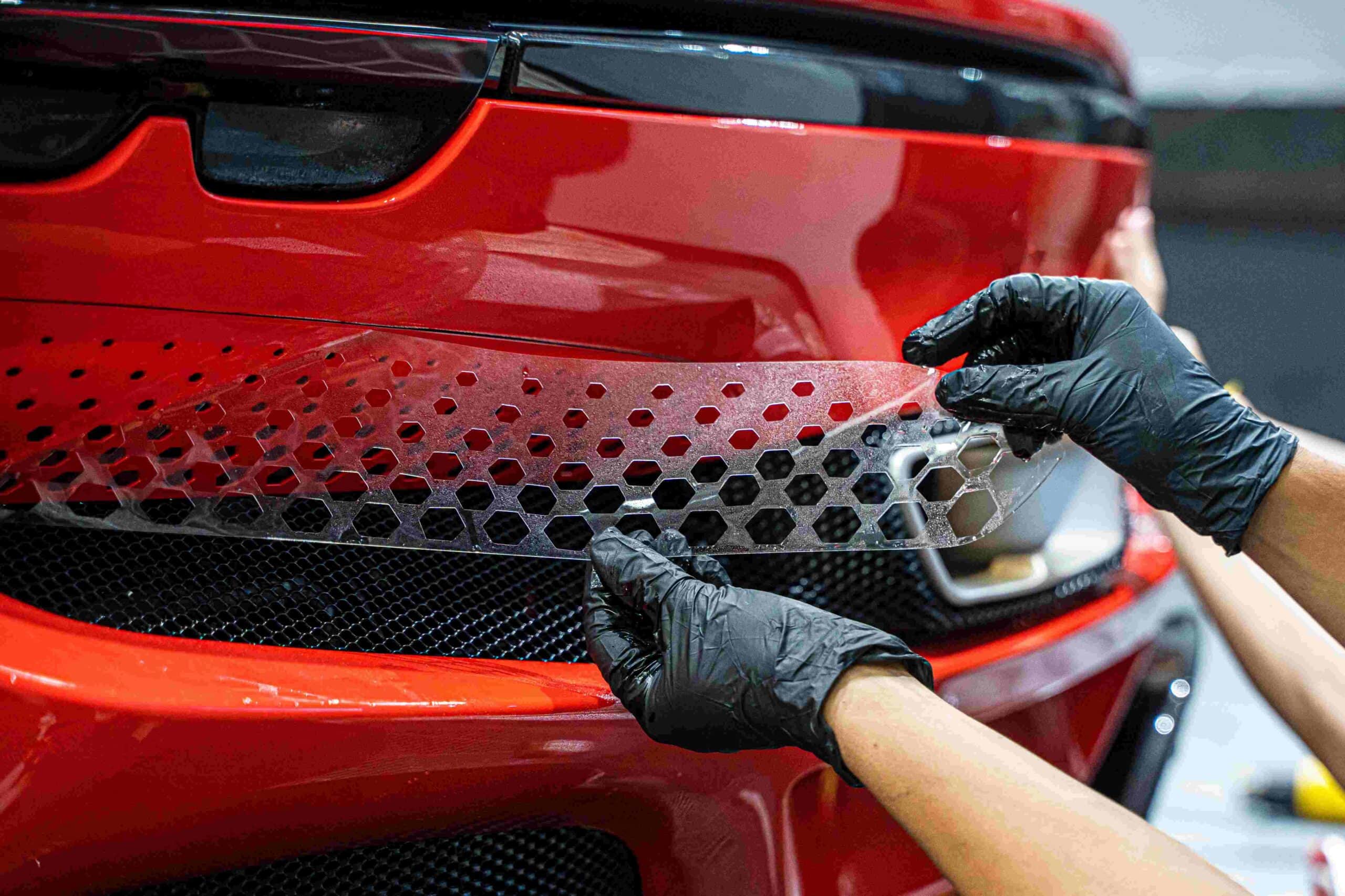
At a custom auto shop in Oakland County, MI, hands in black gloves carefully apply a perforated protective film to the front of a sleek red car bumper.

Hear from Our Customers

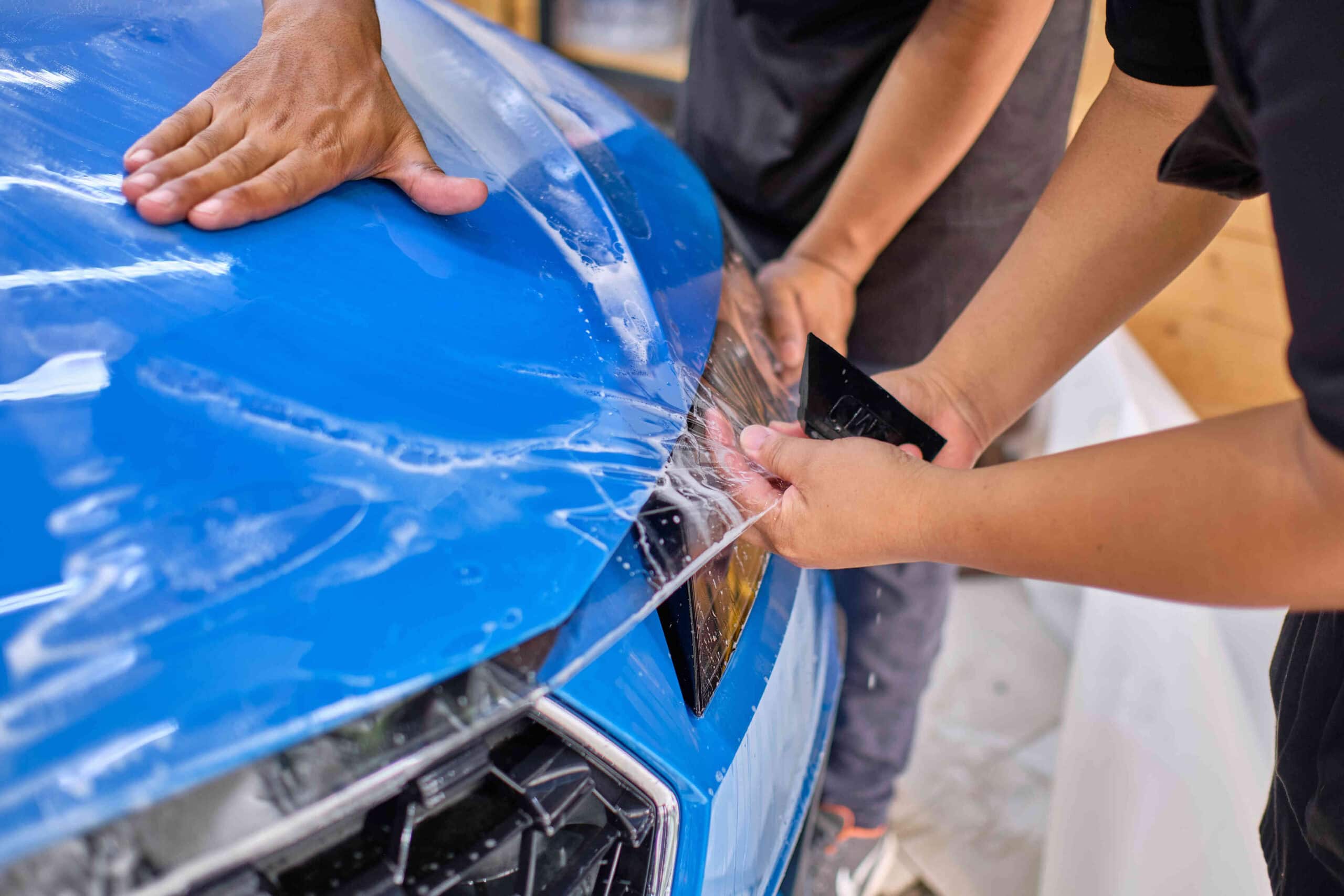
At a custom auto shop in Oakland County, MI, two technicians carefully apply a protective film to the front of a blue car. One smooths the film diligently while the other holds it steady, ensuring it adheres perfectly to the vehicle's surface.

Paint Protection Film Benefits

What PPF Actually Does

Your vehicle looks exactly the same after PPF installation—except now it’s bulletproof against the stuff that ruins paint. Rock chips bounce off instead of chipping through. Road salt washes away without etching. UV rays can’t fade what they can’t reach.

The film is completely invisible when installed correctly. You get all the protection with none of the visual compromise. Your paint stays showroom-fresh while you drive normally, park anywhere, and stop worrying about every piece of road debris.

Most importantly, when it’s time to sell or trade, your paint looks like it did the day you bought it. That’s real money back in your pocket, not just peace of mind.

Bloomfield Hills PPF Experts

We Know Michigan Roads

Master Touch AutoSports has been protecting vehicles in Bloomfield Hills and surrounding areas for years. We understand what Michigan weather and road conditions do to paint—and more importantly, how to stop it.

Our technicians are trained on the latest PPF materials and installation techniques. We use professional-grade films that self-heal minor scratches and maintain clarity over time. Every installation comes with proper warranty coverage because we stand behind our work.

We’ve protected everything from daily drivers to show cars, and the process is the same: precise measurement, careful installation, and attention to detail that keeps your vehicle looking exactly like you want it to.
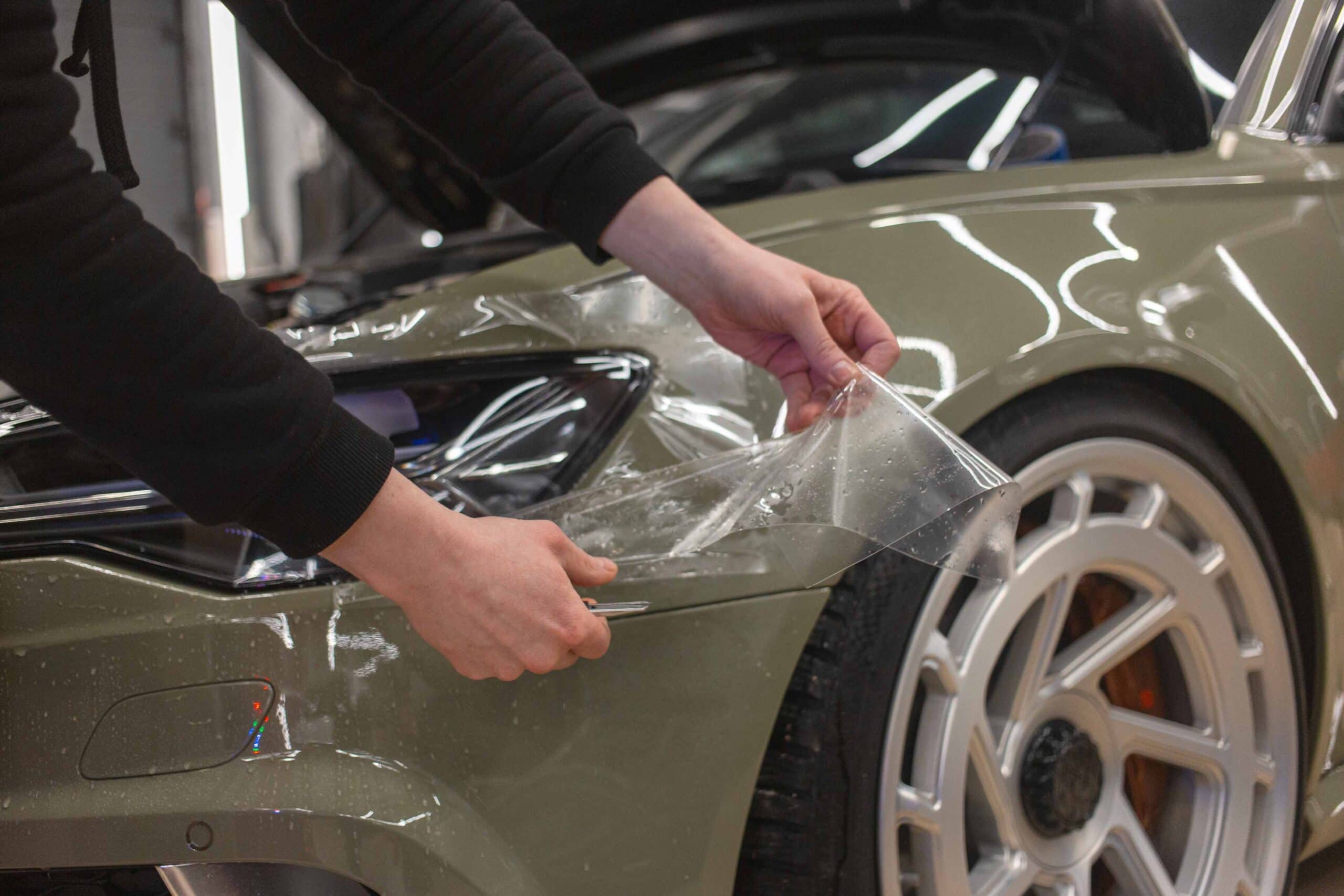
At a custom auto shop in Oakland County, MI, a person meticulously applies a clear protective film to the front fender of a matte olive green car, concentrating on the area above the wheel. The hood is open, revealing their black-sleeved arm as they work with precision.

PPF Installation Process

Here's What Actually Happens

First, we assess your vehicle and discuss which areas need protection based on your driving habits and concerns. Most people protect the front bumper, hood, fenders, and mirrors—the areas that take the most abuse from road debris.

Next, we clean and prep the paint surface completely. Any contamination or imperfection gets addressed before the film goes on. The PPF is then carefully applied using professional techniques that eliminate air bubbles and ensure proper adhesion.

Finally, we inspect every inch of the installation and walk you through care instructions. The whole process typically takes a day, depending on coverage area. You leave with invisible protection that’s already working and a clear understanding of what to expect long-term.
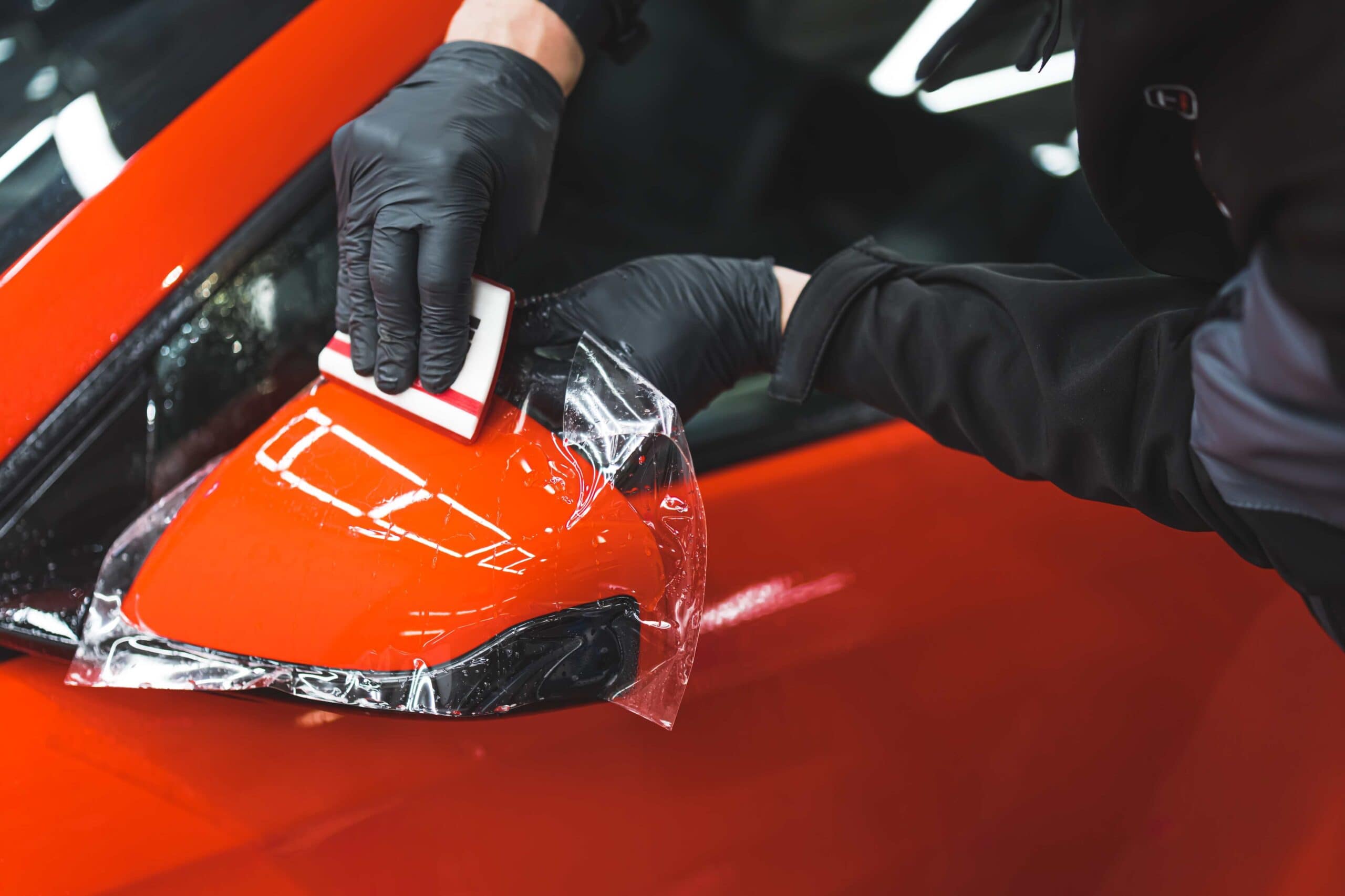
At a custom auto shop in Oakland County, MI, someone wearing black gloves expertly applies a protective film to a red car's side mirror using a small tool, ensuring the smoothest application process.

Ready to get started?

Explore More Services

About Master Touch Autosports

Get a Free Consultation

Clear Bra Installation Details

What You Actually Get

Professional PPF installation means using the right materials for Michigan conditions. We work with films that handle temperature extremes, road salt, and UV exposure without yellowing or peeling. The installation process ensures clean edges, proper coverage, and long-term durability.

You get a warranty that covers both the film and our installation work. If something goes wrong that shouldn’t have, we fix it. The film itself is designed to last years with minimal maintenance—just normal washing and occasional inspection.

Most people are surprised how normal their vehicle looks and feels after PPF installation. The protection is there, but it doesn’t change anything about driving or maintaining your car. It just quietly does its job while you do yours.
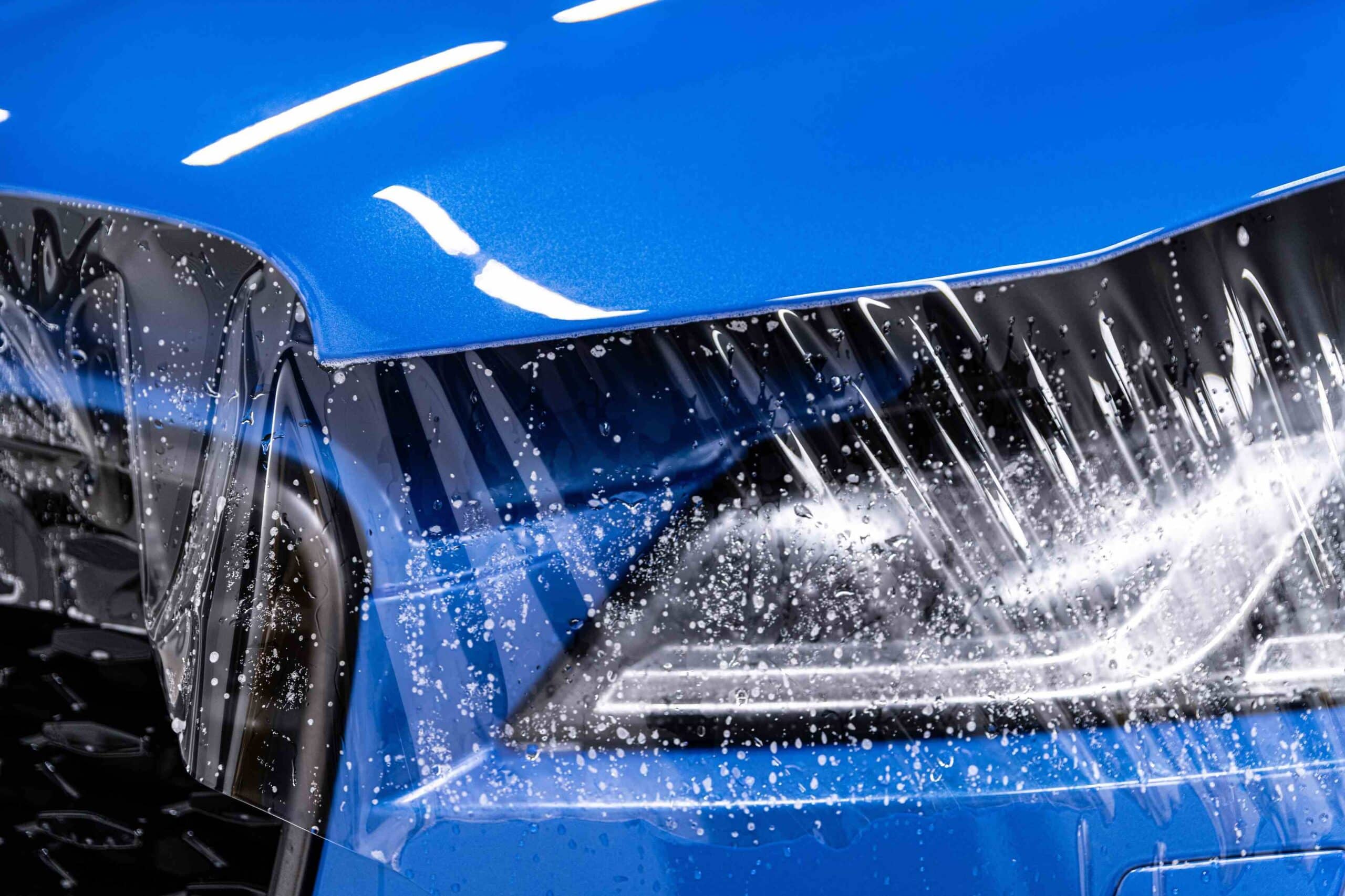
Close-up of a blue car's front end at a custom auto shop in Oakland County, MI, as a transparent protective film is applied over the headlight and part of the hood. Water droplets are visible on the surface, reflecting the light above.
Quality PPF typically lasts 7-10 years with proper installation and care. The film’s lifespan depends on several factors: the quality of materials used, installation technique, environmental exposure, and maintenance. Premium films like those we install are designed to resist yellowing, cracking, and peeling over time. In Michigan’s climate, PPF actually tends to perform well because the temperature cycling helps activate the self-healing properties. Most of our customers see excellent protection for the full warranty period and beyond. Regular washing and avoiding harsh chemicals help maximize the film’s lifespan.
Yes, properly installed PPF removes cleanly without paint damage when done correctly. The adhesive is designed to bond securely during use but release cleanly when heated and removed by professionals. We’ve removed PPF from vehicles after years of protection, and the paint underneath looks exactly like it did on installation day—often better than the exposed areas. The key is professional removal using the right techniques and tools. Attempting DIY removal or leaving PPF on far beyond its intended lifespan can cause adhesive residue, but that’s easily avoided with proper timing and technique.
No, PPF installation does not void your vehicle’s paint warranty when installed properly. Paint protection film is considered a protective accessory, similar to floor mats or seat covers. In fact, many dealerships now offer or recommend PPF because it helps maintain the paint condition they warranty. The film protects against environmental damage that could potentially cause warranty claims. We provide documentation of our installation process and materials used, which actually supports your paint warranty by showing you’ve taken steps to protect the finish. Always check with your specific dealer if you have concerns, but PPF is widely accepted in the automotive industry.
PPF cost depends on coverage area and vehicle complexity, typically ranging from $1,500 for basic front-end protection to $5,000+ for full vehicle coverage. Factors affecting price include vehicle size, paint condition, film quality, and installation complexity. Luxury vehicles often require more detailed work due to complex curves and premium finish expectations. While the upfront investment seems significant, consider that a single paint repair from road damage can cost $500-2,000, and PPF prevents multiple incidents over years of driving. We provide detailed quotes based on your specific vehicle and protection goals, so you know exactly what you’re getting for your investment.
Properly installed PPF is virtually invisible and doesn’t change how your vehicle looks or feels. The film is optically clear and follows every contour of your paint, so there’s no visual difference from normal viewing distances. You might notice slight texture differences if you run your hand over panel edges, but this is minimal with quality installation. The film doesn’t affect paint color, gloss, or reflectivity. Most people forget their vehicle has PPF until they notice how easily bugs and debris wash off, or when they see rock chips on unprotected areas while protected sections remain perfect. The goal is invisible protection, and that’s exactly what you get.
PPF maintenance is simple: wash normally and avoid harsh chemicals or abrasive cleaning methods. Regular soap and water washing actually helps the film perform better by removing contaminants that could cause staining. Avoid automatic car washes with brushes for the first few weeks while the adhesive fully cures. After that, most washing methods are fine, though hand washing or touchless systems are gentler. The film’s self-healing properties work best when the surface stays clean. Occasional inspection for damage or lifting edges helps catch any issues early. No special waxes or treatments are required, though some people apply ceramic coatings over PPF for even easier maintenance. Overall, protected areas are actually easier to clean than unprotected paint.
Scroll to Top