PPF in Farmington Hills, MI

Keep Your Paint Looking Showroom Fresh

Professional paint protection film that stops damage before it starts, so you never worry about chips again.
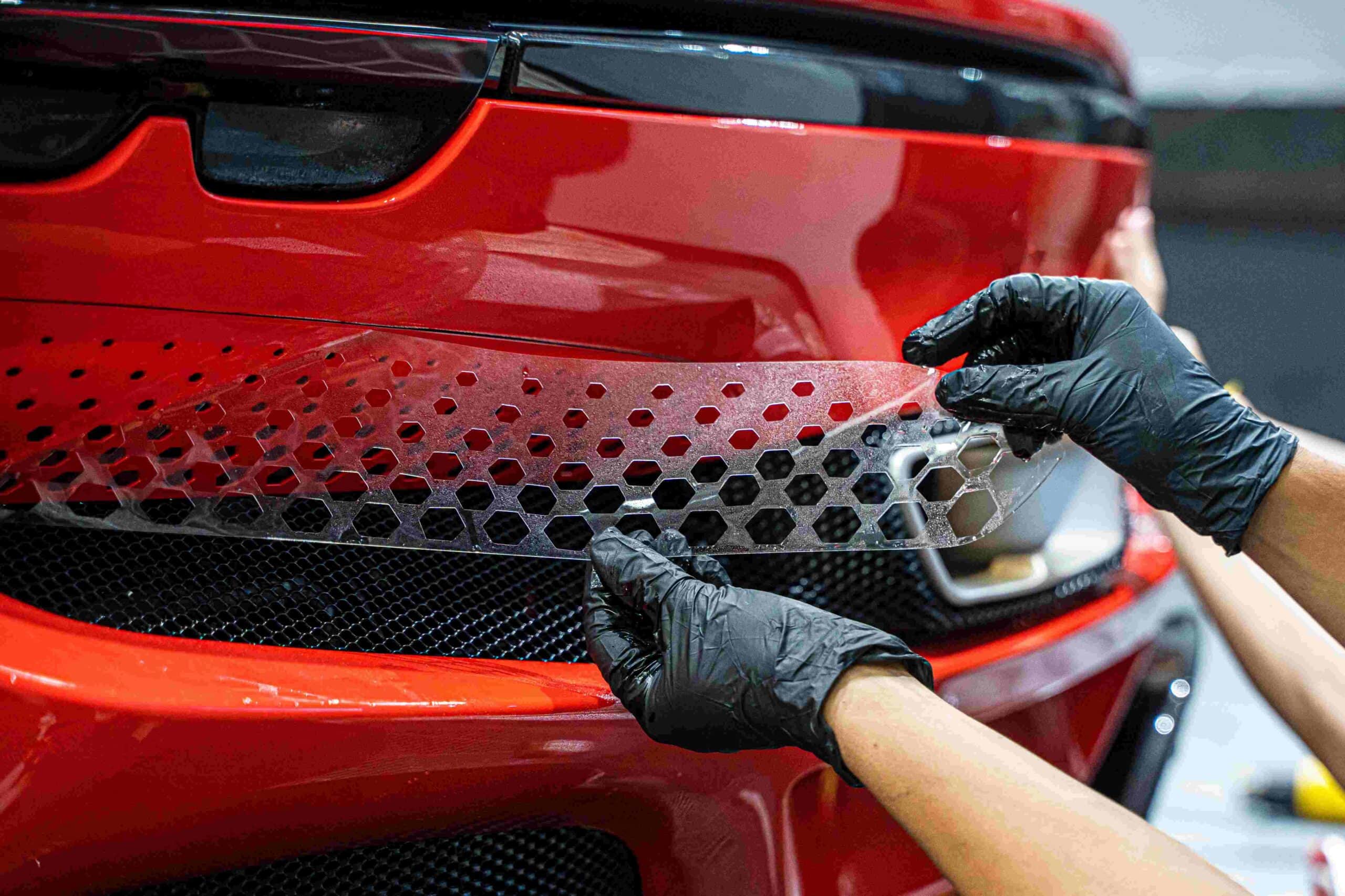
At a custom auto shop in Oakland County, MI, hands in black gloves carefully apply a perforated protective film to the front of a sleek red car bumper.

Hear from Our Customers

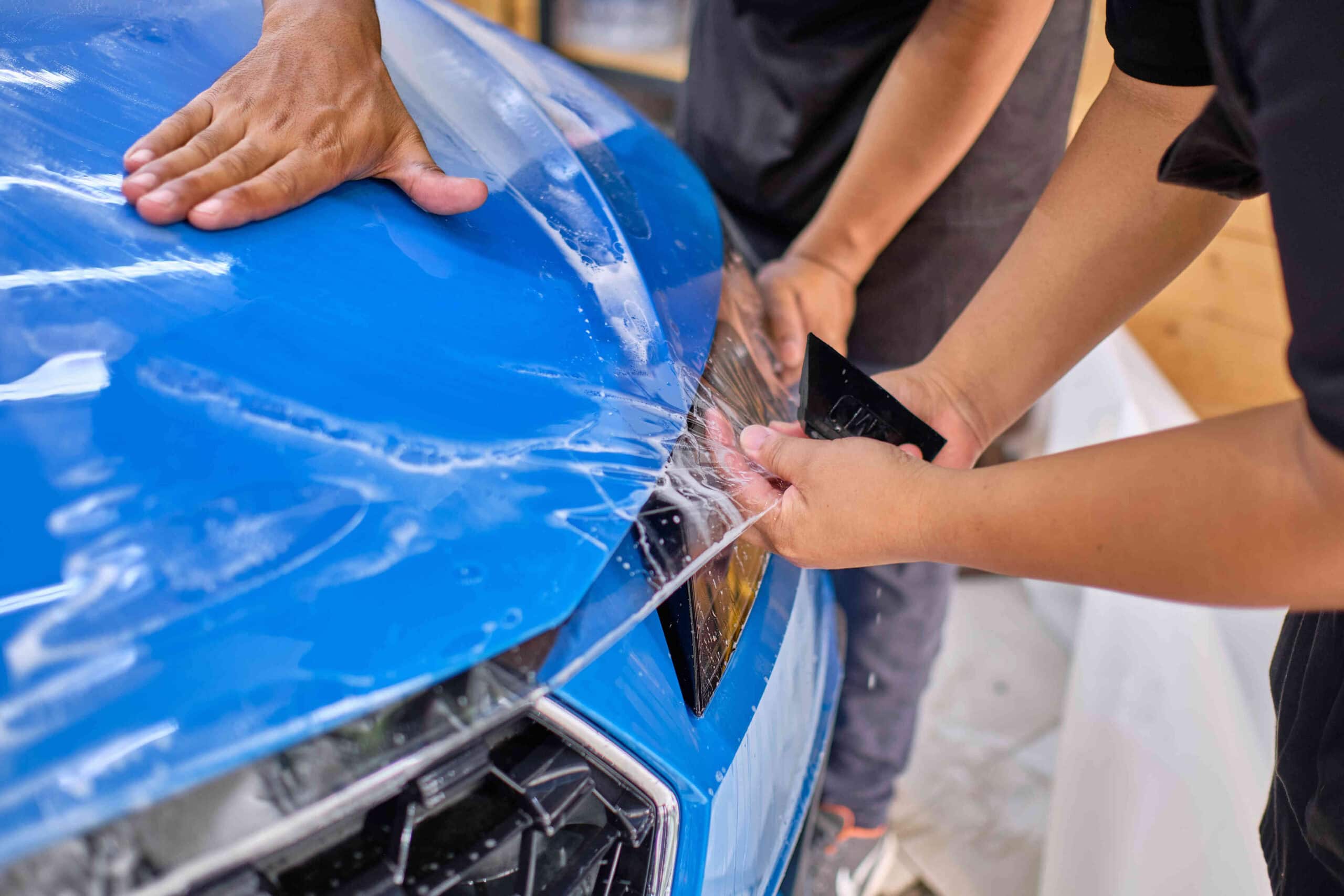
At a custom auto shop in Oakland County, MI, two technicians carefully apply a protective film to the front of a blue car. One smooths the film diligently while the other holds it steady, ensuring it adheres perfectly to the vehicle's surface.

Paint Protection Film Benefits

What PPF Actually Does for You

Your car’s paint faces constant attack. Road debris kicks up at highway speeds. Michigan winters throw salt, sand, and ice at your vehicle for months. Even parking lots become minefields of shopping cart dings and careless door swings.

Paint protection film creates an invisible barrier that absorbs these impacts. The film takes the hit so your paint doesn’t. You get to keep that deep, glossy finish that makes people turn their heads when you drive by.

The best part? Most people won’t even know it’s there. Quality PPF installation looks completely natural while working around the clock to preserve what matters most – your vehicle’s appearance and value.

Farmington Hills PPF Experts

We Know Michigan Roads and Weather

We’ve been protecting vehicles in Farmington Hills and surrounding areas for years. We understand what Michigan throws at your car because we drive these same roads every day.

Our team specializes in precision PPF installation using premium materials from trusted manufacturers. We’ve worked on everything from daily drivers to exotic supercars, and we treat every vehicle with the same attention to detail.

When you choose us, you’re working with people who actually understand automotive paint protection – not just someone who watched a few videos online.
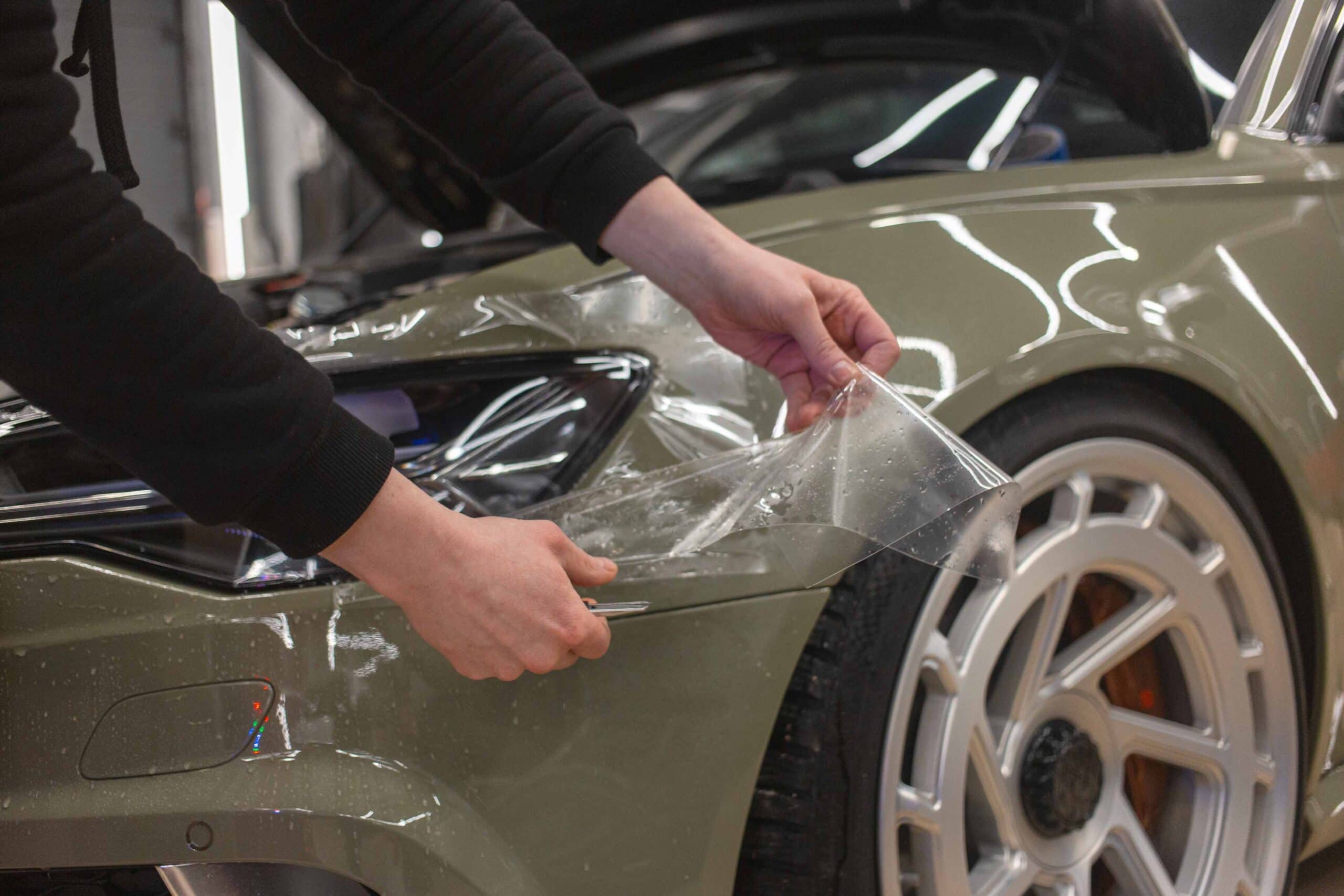
At a custom auto shop in Oakland County, MI, a person meticulously applies a clear protective film to the front fender of a matte olive green car, concentrating on the area above the wheel. The hood is open, revealing their black-sleeved arm as they work with precision.

PPF Installation Process

Here's Exactly What Happens

First, we thoroughly clean and inspect your vehicle’s paint. Any existing damage gets addressed before film application because PPF won’t hide problems – it preserves whatever’s underneath.

Next comes the precision cutting and fitting. We use computer-cut patterns specific to your vehicle’s make and model, then hand-trim for perfect edges. The film gets applied using specialized techniques that eliminate air bubbles and ensure proper adhesion.

The final step involves careful inspection and any necessary adjustments. We check every edge, every curve, and every corner to make sure the installation meets our standards. Most vehicles are ready within a day, though complex jobs might take longer.
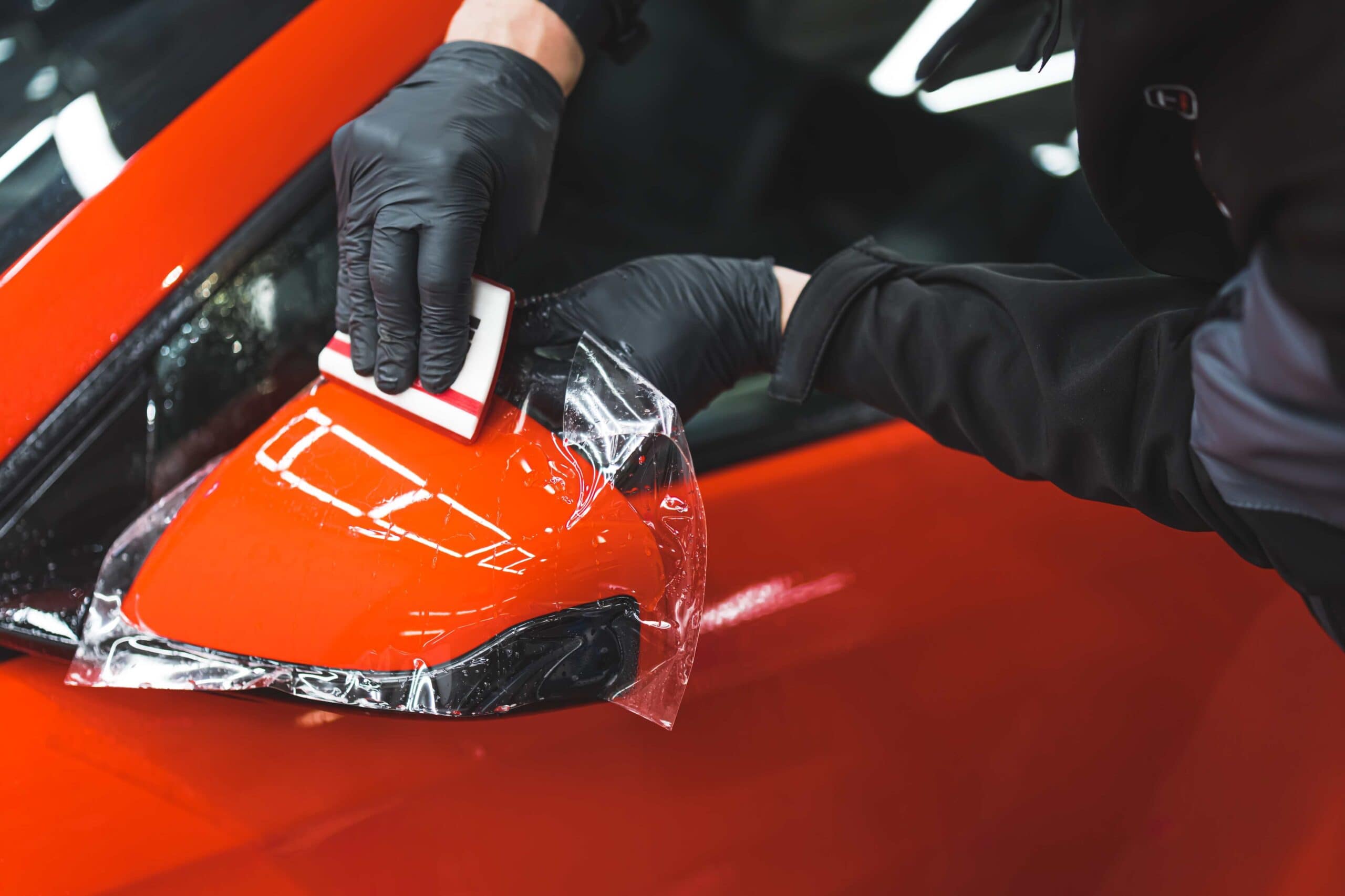
At a custom auto shop in Oakland County, MI, someone wearing black gloves expertly applies a protective film to a red car's side mirror using a small tool, ensuring the smoothest application process.

Ready to get started?

Explore More Services

About Master Touch Autosports

Get a Free Consultation

Clear Bra Coverage Options

Choose Your Level of Protection

Full front-end coverage protects your hood, bumper, fenders, mirrors, and headlights – the areas that take the most abuse from road debris. This package handles about 80% of the damage your car will face.

Partial coverage focuses on the highest-impact zones like the front bumper and hood’s leading edge. It’s more budget-friendly while still protecting the most vulnerable areas.

Full vehicle wraps provide complete protection but require a bigger investment. Some clients choose this route for exotic cars or vehicles they plan to keep long-term. We’ll walk you through the options and help you decide what makes sense for your situation and budget.
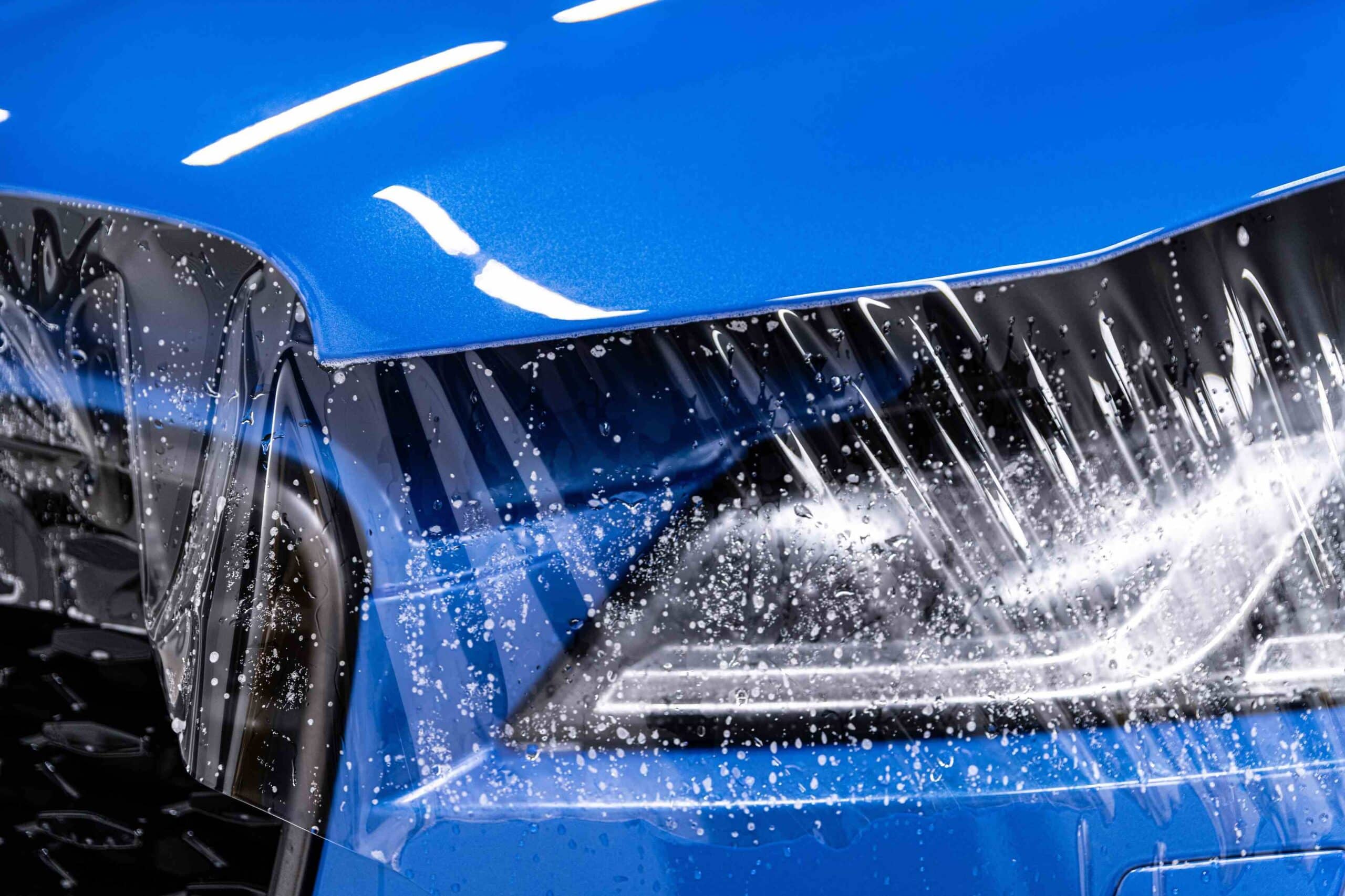
Close-up of a blue car's front end at a custom auto shop in Oakland County, MI, as a transparent protective film is applied over the headlight and part of the hood. Water droplets are visible on the surface, reflecting the light above.
Quality PPF typically lasts 7-10 years with proper care, though some premium films come with warranties up to 12 years. The actual lifespan depends on several factors including film quality, installation precision, and how you maintain the vehicle. Michigan’s harsh winters can be tough on automotive films, but professional-grade materials are designed to handle temperature extremes, UV exposure, and road salt. Most of our clients see excellent protection for the full warranty period, and many choose to replace the film rather than deal with paint damage when it eventually needs refreshing.
Professional-grade paint protection film removes cleanly without damaging factory paint when installed and removed properly. The adhesive is designed to bond securely during use but release cleanly when heated and peeled at the correct angle. However, this assumes the paint was in good condition before installation and that quality film was used. Cheap films or improper installation can cause problems, which is why choosing an experienced installer matters. We’ve removed PPF from hundreds of vehicles over the years, and paint damage during removal is extremely rare when the job is done right.
Properly installed PPF should have minimal visible edges, especially when viewed from normal distances. The key is precise cutting, proper edge sealing, and strategic placement that follows natural body lines when possible. Some edges will always be slightly visible up close – that’s normal and unavoidable with partial coverage. Full vehicle wraps eliminate most visible edges but cost significantly more. During your consultation, we’ll show you exactly where edges will be located and discuss options for minimizing their appearance. Most clients are surprised by how subtle quality PPF installation looks.
PPF maintenance is straightforward but requires some specific considerations. You can wash the vehicle normally, but avoid automatic car washes with brushes that might catch film edges. Hand washing or touchless car washes work best. Most PPF has self-healing properties that work with heat, so parking in the sun or using warm water during washing helps minor scratches disappear. Avoid abrasive cleaners, and don’t use products containing petroleum distillates. We provide detailed care instructions after installation, and most clients find that PPF actually makes their vehicle easier to keep clean since contaminants don’t bond as strongly to the film surface.
The difference comes down to clarity, durability, and self-healing properties. Premium films like 3M Pro Series or XPEL Ultimate Plus stay crystal clear for years, have better self-healing capabilities, and resist yellowing or hazing. Cheaper films often develop a cloudy appearance over time, may not self-heal as effectively, and can be harder to remove cleanly. The adhesive quality also varies significantly – premium films use advanced adhesives that bond properly without being too aggressive. Installation matters too, but even perfect installation can’t overcome inferior film quality. We only use top-tier materials because your vehicle deserves protection that actually works long-term.
PPF pricing varies based on coverage area, vehicle size, and film quality. Partial front-end protection typically starts around $1,200-$1,800, while full front coverage runs $2,000-$3,500. Full vehicle wraps can range from $4,000-$8,000 depending on the car’s complexity. These investments pay for themselves by preventing paint damage that costs thousands to repair properly. We provide detailed quotes after seeing your specific vehicle because every car is different. Factors like paint condition, body style complexity, and your coverage preferences all affect the final price. We’ll walk you through options that fit your budget and protection goals.
Scroll to Top