PPF in Four Towns, MI

Keep Your Paint Looking Factory Fresh

Professional paint protection film installation that actually works when Michigan roads try to destroy your finish.
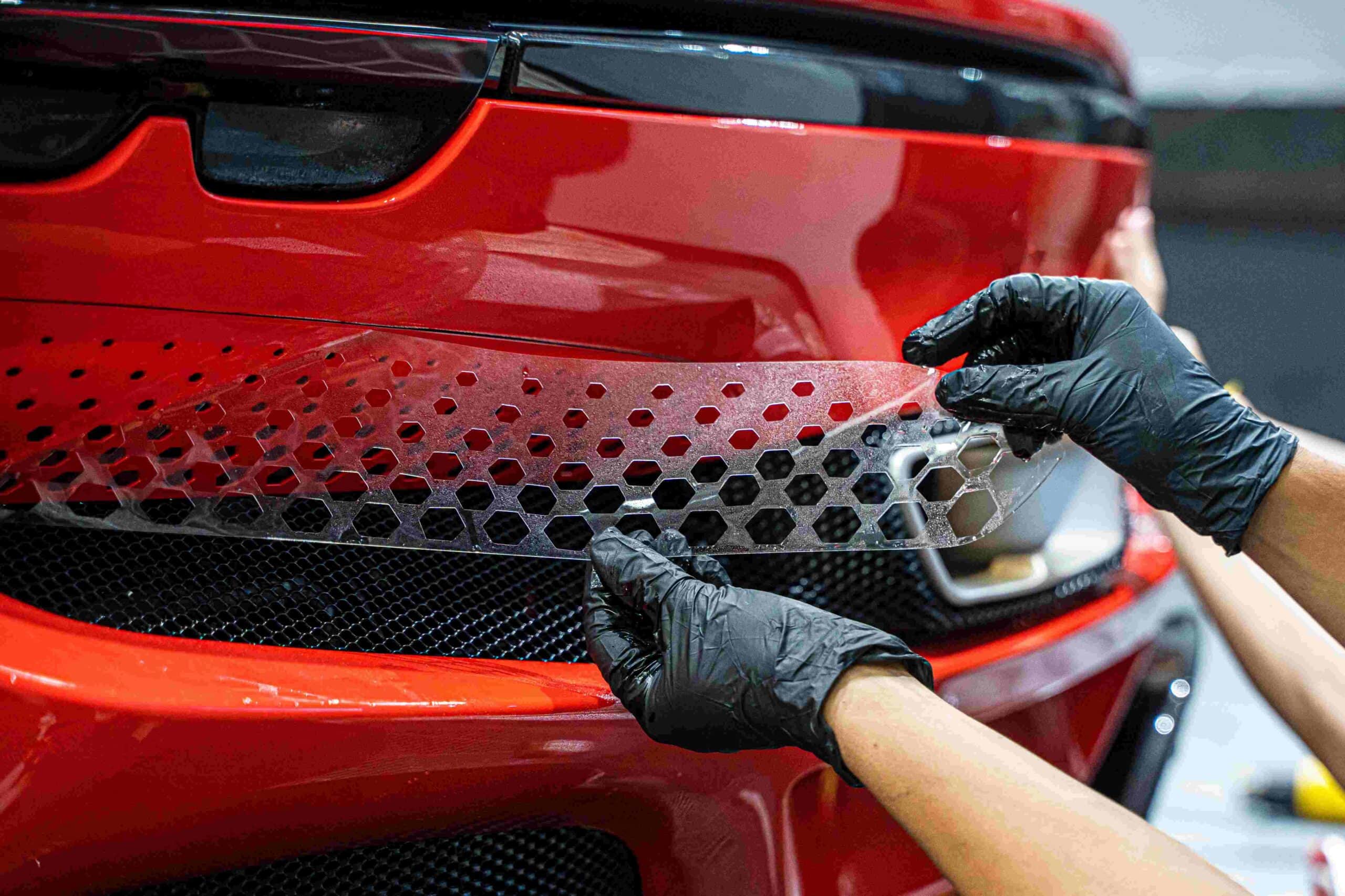
At a custom auto shop in Oakland County, MI, hands in black gloves carefully apply a perforated protective film to the front of a sleek red car bumper.

Hear from Our Customers

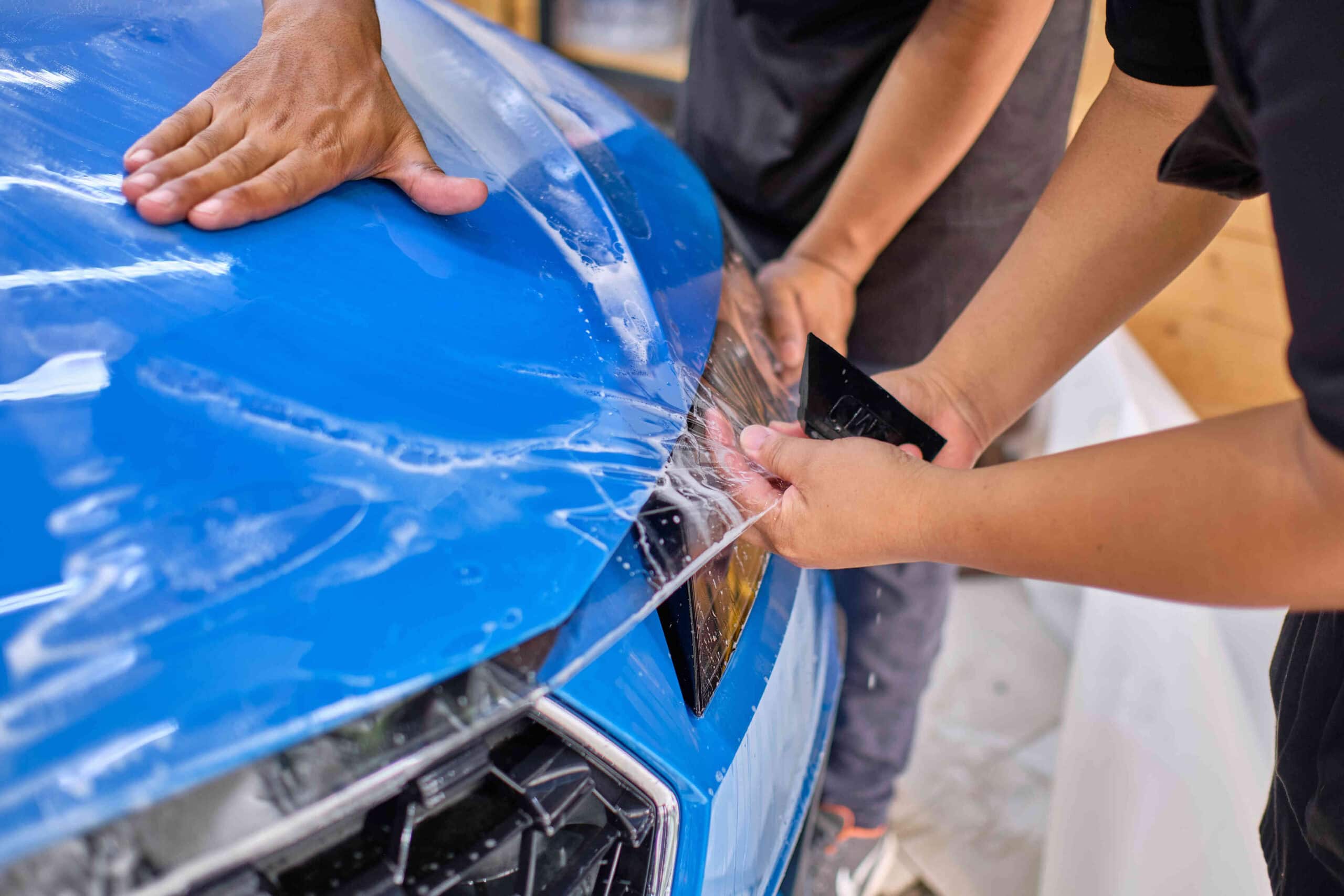
At a custom auto shop in Oakland County, MI, two technicians carefully apply a protective film to the front of a blue car. One smooths the film diligently while the other holds it steady, ensuring it adheres perfectly to the vehicle's surface.

Paint Protection Film Four Towns

What PPF Actually Does for You

Your car’s paint faces a constant battle in Michigan. Road salt in winter, gravel from construction zones, and everyday wear that slowly chips away at your investment.

Paint protection film changes that equation completely. You get an invisible shield that takes the hits so your paint doesn’t have to. Rock chips bounce off instead of leaving permanent scars. Salt and road grime wash away without etching into the clear coat.

The film itself heals minor scratches with heat, which means those annoying swirl marks from car washes disappear on their own. Your paint stays glossy and protected, and when it’s time to sell or trade, you’re not explaining away a thousand tiny chips and scratches that scream “high mileage” even when the odometer says otherwise.

Automotive Film Installation Four Towns

We Install PPF the Right Way

We’ve been protecting vehicles in Four Towns, MI for years. The difference isn’t just in the premium films we use, but in how we apply them.

Every installation happens in our controlled environment where dust, temperature, and humidity won’t compromise the bond. We take the time to properly prep each surface and custom-cut each piece for a seamless fit.

You won’t find rushed work or corner-cutting here. When you’re investing in paint protection, the installation quality determines whether you get years of reliable protection or expensive problems down the road.
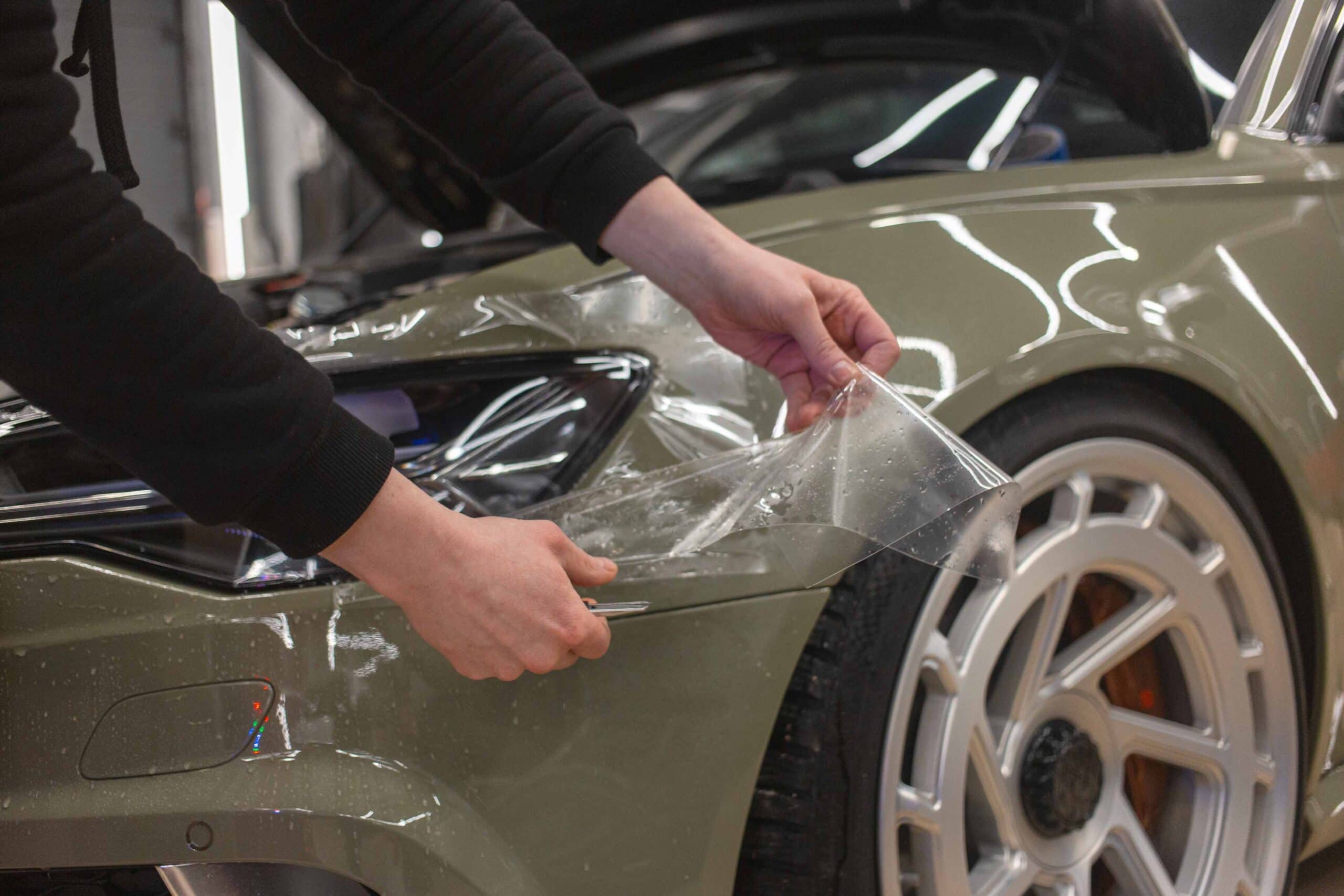
At a custom auto shop in Oakland County, MI, a person meticulously applies a clear protective film to the front fender of a matte olive green car, concentrating on the area above the wheel. The hood is open, revealing their black-sleeved arm as they work with precision.

Clear Bra Installation Process

Here's Exactly What Happens During Installation

First, we thoroughly clean and inspect your vehicle’s paint. Any existing damage gets noted because PPF won’t hide what’s already there, but it will prevent new damage from occurring.

Next comes the precision cutting and fitting. Each piece of film gets custom-measured and cut to follow your vehicle’s exact contours. No generic templates that leave gaps or create unnecessary seams.

The actual application requires patience and skill. We position each piece carefully, work out any air bubbles, and ensure the edges seal properly. The final step involves trimming excess material and checking every inch for proper adhesion. The whole process typically takes a full day because rushing leads to problems you’ll see every time you look at your car.
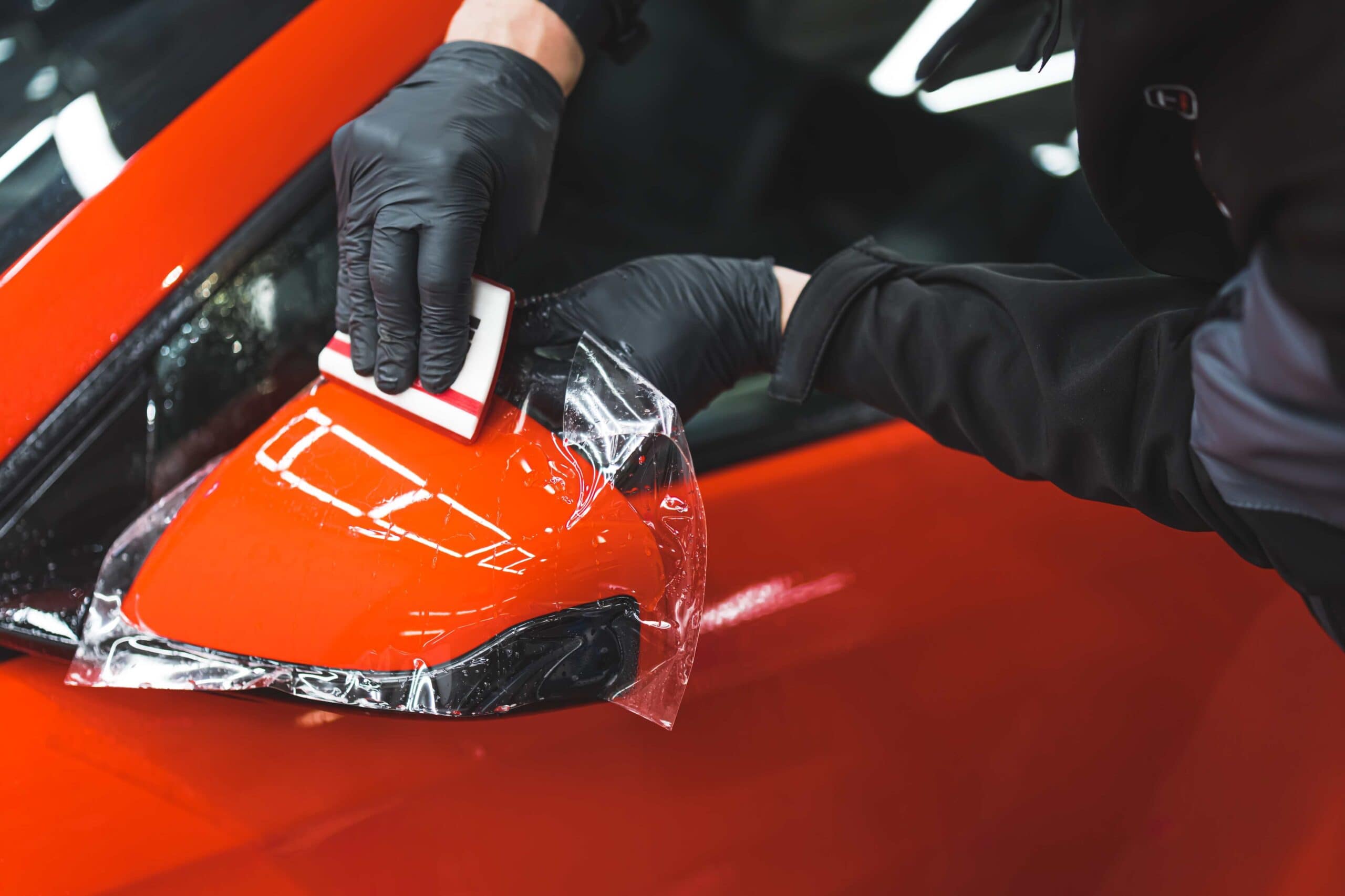
At a custom auto shop in Oakland County, MI, someone wearing black gloves expertly applies a protective film to a red car's side mirror using a small tool, ensuring the smoothest application process.

Ready to get started?

Explore More Services

About Master Touch Autosports

Get a Free Consultation

Car Film Protection Four Towns

What's Included in Our Professional PPF Installation

You get premium paint protection film that’s designed to last. We use materials from trusted manufacturers that have proven themselves over years of real-world use, not the cheap alternatives that yellow or fail prematurely.

Our installation includes proper surface preparation, custom cutting for your specific vehicle, and professional application with attention to every detail. Each installation comes with warranty coverage because we stand behind both the materials and our work.

You also get realistic expectations about what PPF can and can’t do. It’s excellent protection against most road hazards, but it’s not bulletproof. We’ll show you exactly what areas we’re covering and explain how to maintain the film so it performs as intended for years to come.
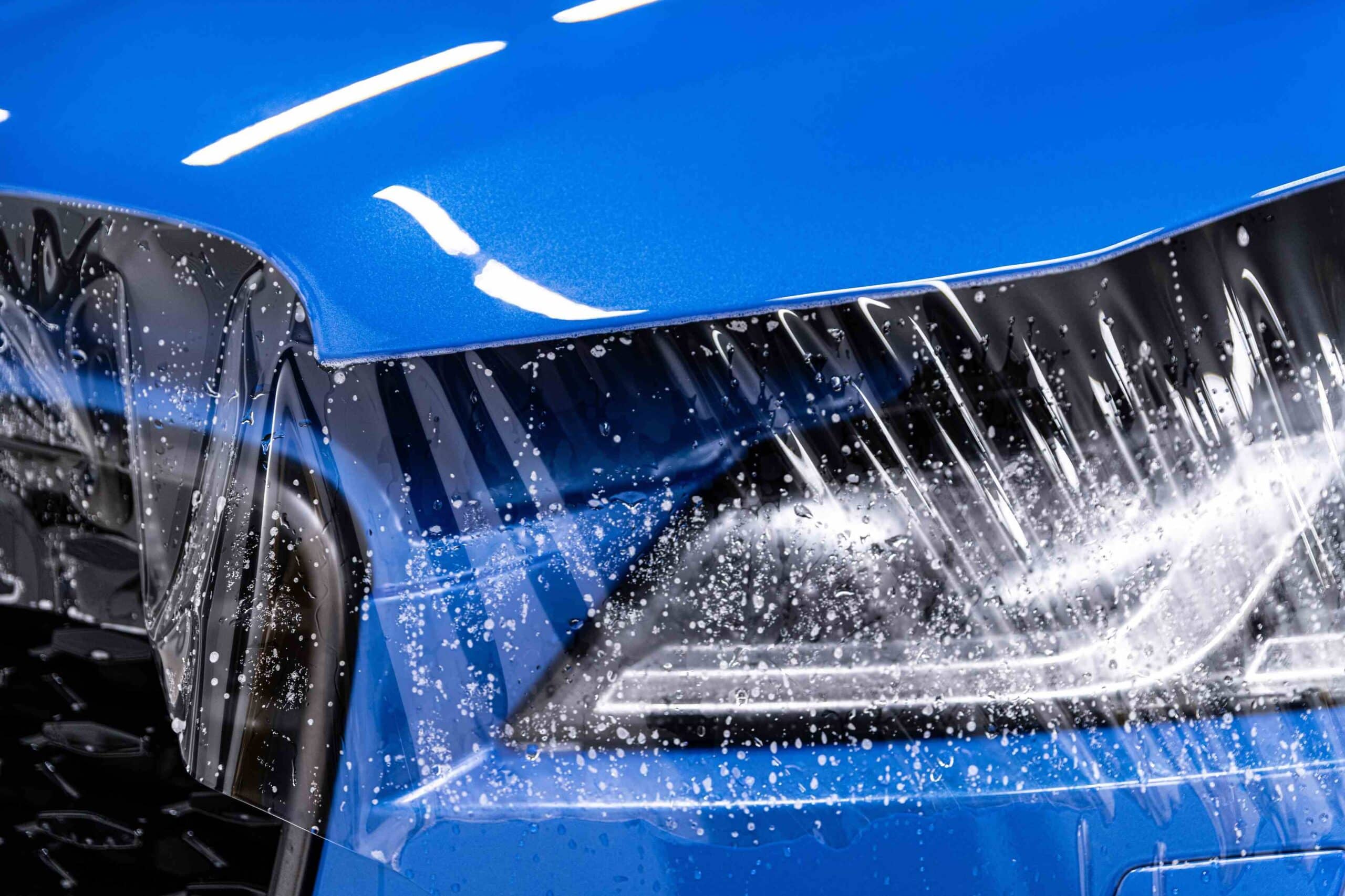
Close-up of a blue car's front end at a custom auto shop in Oakland County, MI, as a transparent protective film is applied over the headlight and part of the hood. Water droplets are visible on the surface, reflecting the light above.
Quality PPF typically lasts 7-10 years with proper care, though this depends on your driving conditions and maintenance habits. The film gradually loses its self-healing properties over time, and you might notice some yellowing or edge lifting after many years of exposure. In Michigan’s harsh climate with road salt and temperature extremes, you’re likely looking at the lower end of that range for optimal appearance. The good news is that when it’s time for replacement, the film removes cleanly without damaging your paint underneath, leaving you with protected paint that still looks great.
Modern PPF is nearly invisible when installed correctly. You might notice very subtle edge lines if you know exactly where to look, but most people can’t tell it’s there at all. The film is completely clear and doesn’t change your paint’s color or gloss level. Poor installation is usually what makes PPF obvious – things like dust under the film, improper trimming, or air bubbles that weren’t worked out properly. That’s why the installation quality matters just as much as the film quality itself.
PPF typically helps resale value because it preserves your original paint in excellent condition. When potential buyers see a vehicle with protected paint that’s free from chips, scratches, and fading, they’re willing to pay more than for similar vehicles with typical wear. The key is keeping the film in good condition – old, yellowed, or peeling PPF can actually hurt value because it suggests deferred maintenance. Most buyers appreciate knowing the previous owner cared enough to invest in protection, especially on higher-end vehicles where paint damage significantly impacts value.
Minor damage to PPF often heals itself with heat from the sun or a heat gun. For more serious damage like deep cuts or punctures, you can usually replace just the affected panel rather than the entire installation. If edges start lifting, they can often be re-adhered if caught early. Complete removal is possible without paint damage when done properly, though it requires patience and the right technique. This is why warranty coverage matters – reputable installers will address installation-related issues, while film manufacturer warranties cover material defects.
PPF costs vary significantly based on coverage area and vehicle complexity. Partial front-end coverage typically runs $800-1500, while full-vehicle protection can range from $3000-6000 or more for luxury vehicles with complex curves. The price reflects both material costs and labor time – quality installation takes skill and patience. Cheaper quotes often mean corners are being cut somewhere, whether in film quality, prep work, or installation technique. Consider it an investment in preserving your vehicle’s value rather than just an expense.
PPF makes the most financial sense on newer vehicles or older cars with excellent existing paint. If your paint is already heavily damaged, PPF won’t hide those issues and the investment might not pay off. However, if you have an older vehicle with good paint that you plan to keep long-term, PPF can prevent further deterioration and maintain what you have. Classic cars or well-maintained older vehicles often benefit significantly from protection, especially if they’re driven regularly rather than just stored.
Scroll to Top