PPF in Glengary, MI

Your Paint Stays Perfect Longer

Professional paint protection film installation that actually protects what matters most to you.
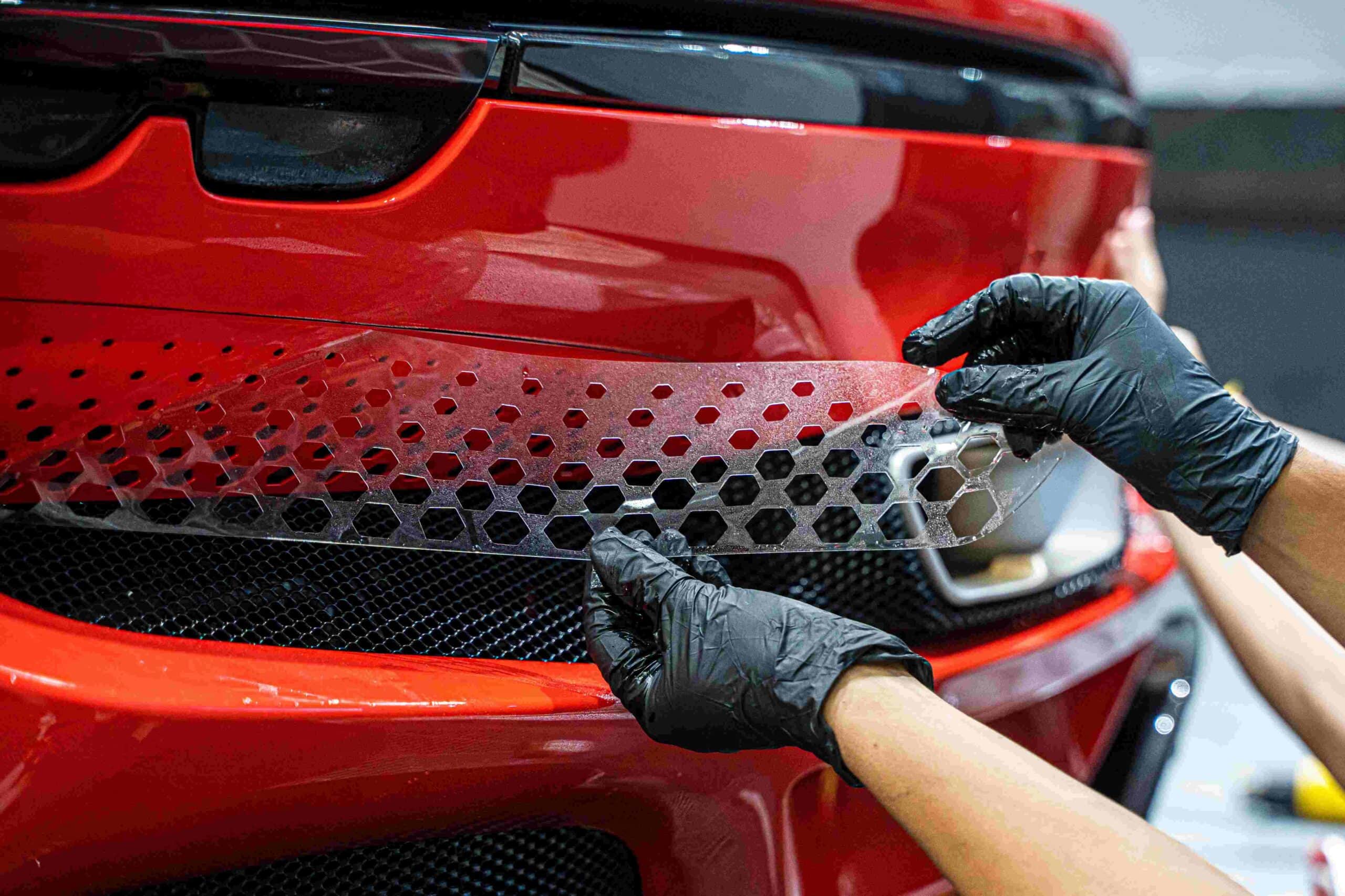
At a custom auto shop in Oakland County, MI, hands in black gloves carefully apply a perforated protective film to the front of a sleek red car bumper.

Hear from Our Customers

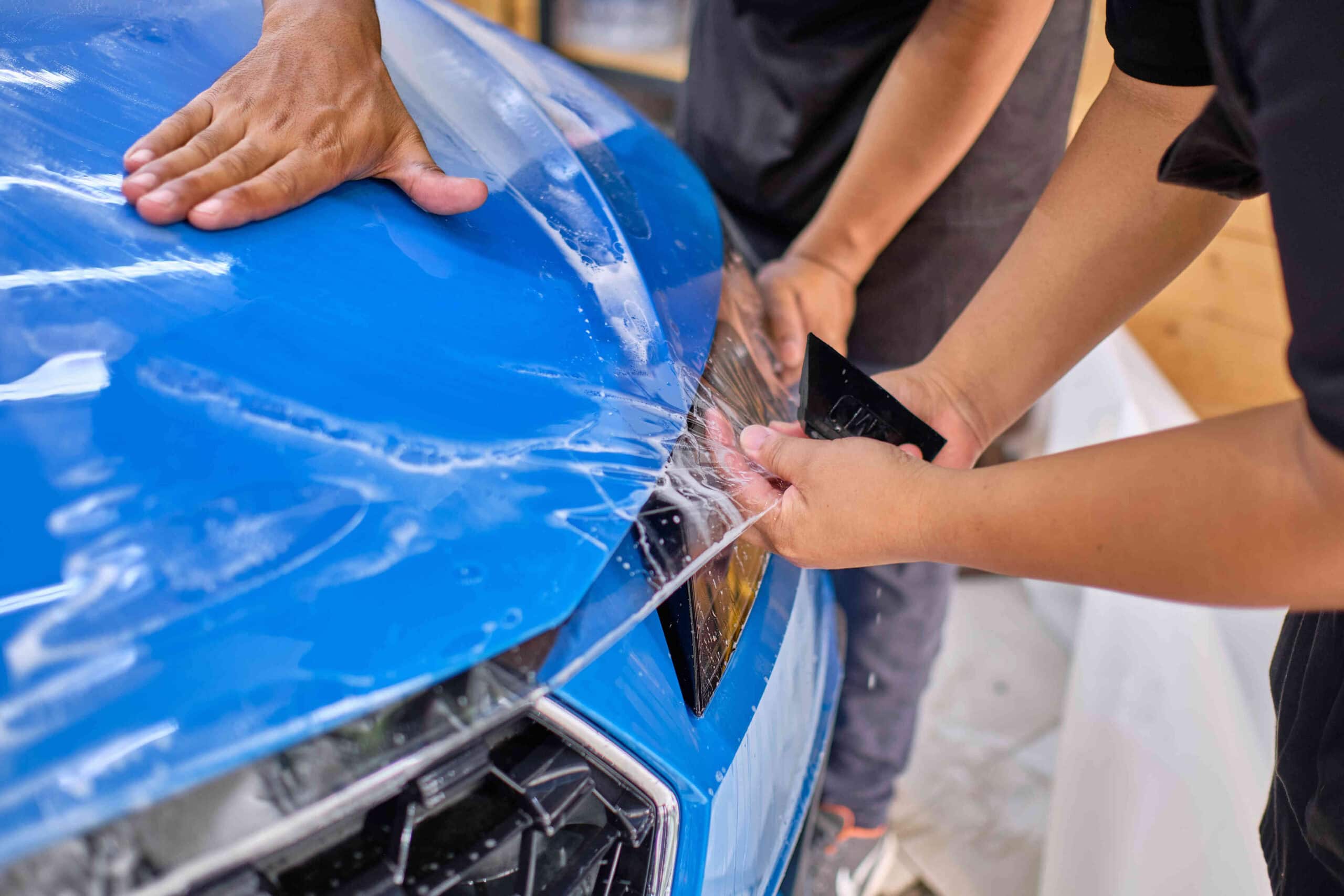
At a custom auto shop in Oakland County, MI, two technicians carefully apply a protective film to the front of a blue car. One smooths the film diligently while the other holds it steady, ensuring it adheres perfectly to the vehicle's surface.

Paint Protection Film Benefits

What PPF Really Does

Your vehicle faces rock chips, road salt, and daily wear every time you drive. Paint protection film creates an invisible barrier that takes the hit instead of your paint.

You get self-healing protection that handles minor scratches on its own. The film disappears visually but stops damage that would otherwise mean touch-up paint, wet sanding, or complete panel repaints down the road.

Michigan winters are particularly brutal on automotive finishes. Road salt and sand kicked up by traffic can destroy paint in just a few seasons. PPF gives you the confidence to drive your vehicle year-round without watching its value deteriorate with every mile.

Glengary Automotive Film Experts

We Install PPF Right

We’ve been protecting vehicles in Glengary and throughout Michigan for years. We’ve seen what happens when PPF is installed poorly – bubbles, peeling edges, and film that fails when you need it most.

Our approach focuses on precision installation and honest consultation. We’ll tell you exactly what coverage makes sense for your vehicle and driving habits, not just sell you the most expensive package.

Every installation uses premium film materials with manufacturer backing. You get the protection you’re paying for, installed by technicians who understand both the product and your expectations.
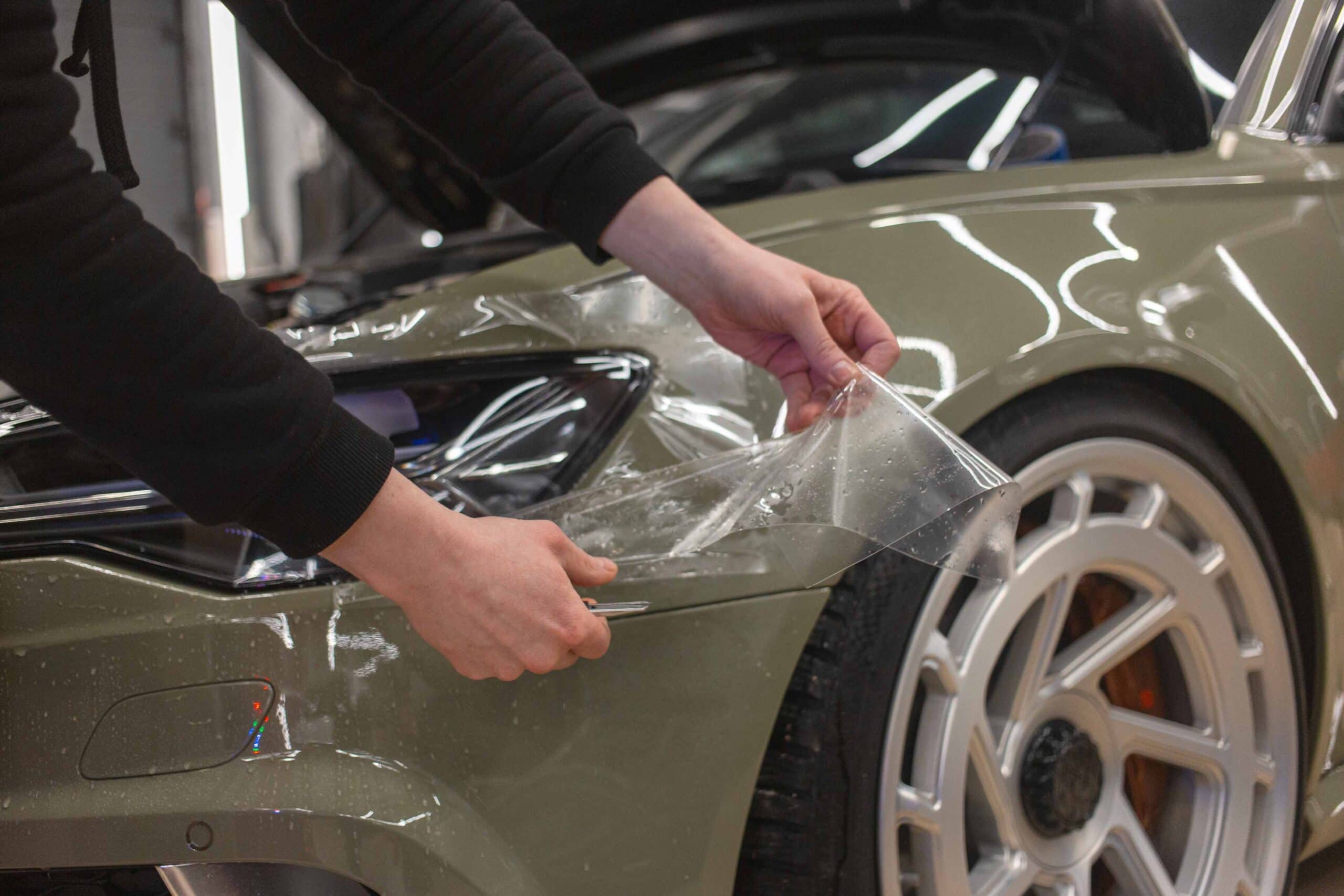
At a custom auto shop in Oakland County, MI, a person meticulously applies a clear protective film to the front fender of a matte olive green car, concentrating on the area above the wheel. The hood is open, revealing their black-sleeved arm as they work with precision.

PPF Installation Process

Here's What Actually Happens

First, we inspect your vehicle and discuss your protection goals. Not every car needs full coverage, and we’ll recommend what makes sense based on your driving patterns and budget.

The installation starts with thorough paint preparation – cleaning, decontamination, and addressing any existing issues that could affect film adhesion. We then precision-cut the film to match your vehicle’s specific panels and curves.

Application requires controlled environment and careful technique. Each section gets positioned, smoothed, and heat-formed to follow your vehicle’s contours exactly. Edge work is critical – poor edges mean premature failure. The process typically takes 1-3 days depending on coverage area, and we don’t rush quality for speed.
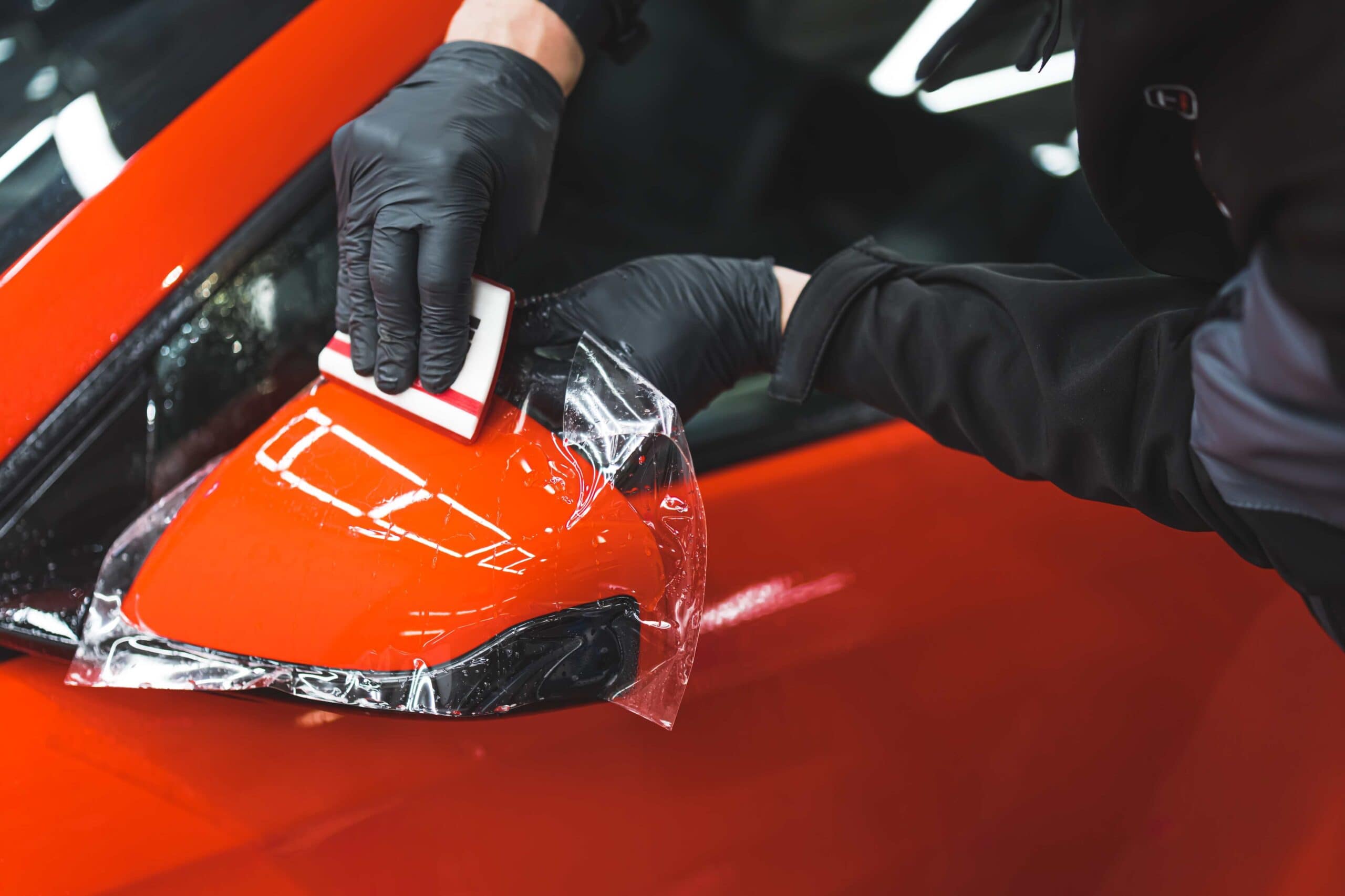
At a custom auto shop in Oakland County, MI, someone wearing black gloves expertly applies a protective film to a red car's side mirror using a small tool, ensuring the smoothest application process.

Ready to get started?

Explore More Services

About Master Touch Autosports

Get a Free Consultation

Clear Bra Coverage Options

What's Included In Protection

Most customers start with front-end protection – hood, bumper, fenders, and headlights. These areas take the most abuse from road debris and show damage first. Full front coverage typically handles 80% of the rock chips and scratches you’d otherwise experience.

Some vehicles benefit from additional coverage on door edges, rocker panels, or rear bumper areas. We base recommendations on your specific vehicle design and how you use it. Track cars need different protection than daily drivers.

Each installation includes detailed care instructions and warranty information. PPF requires minimal maintenance but knowing how to wash and care for protected surfaces keeps the film performing properly for years. We’re available for questions long after installation because proper care makes the difference between 5-year film and 10-year film.
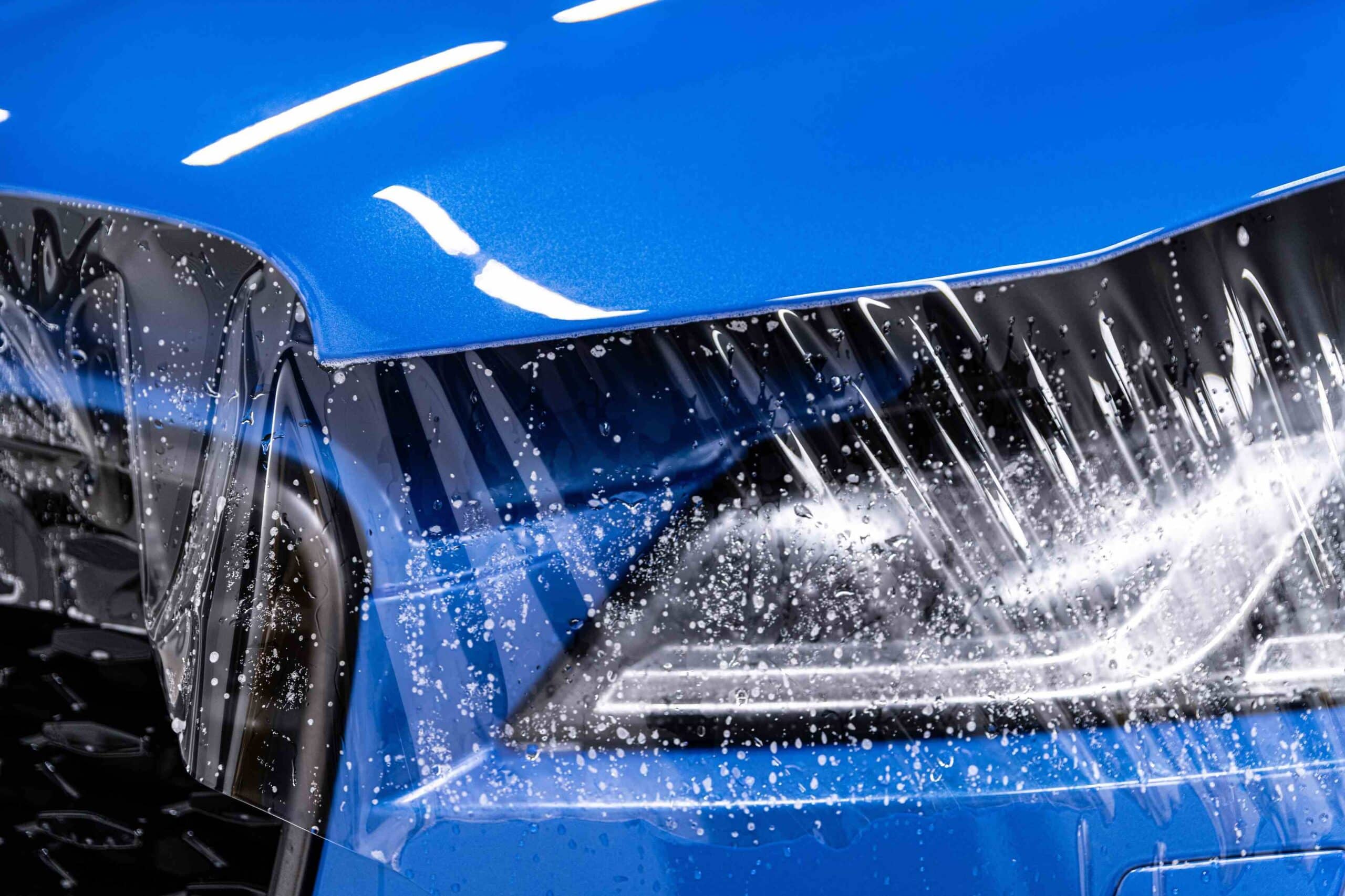
Close-up of a blue car's front end at a custom auto shop in Oakland County, MI, as a transparent protective film is applied over the headlight and part of the hood. Water droplets are visible on the surface, reflecting the light above.
Quality PPF typically lasts 7-10 years with proper care, though some premium films carry 10+ year warranties. The actual lifespan depends on several factors including film quality, installation precision, maintenance habits, and environmental exposure. Michigan’s harsh winters with road salt can accelerate aging, but good film still provides years of reliable protection. You’ll know it’s time for replacement when the film starts showing permanent yellowing, cracking at edges, or loses its self-healing properties. Most customers find the protection pays for itself long before replacement is needed.
Professional-grade PPF removes cleanly when done properly, leaving original paint undamaged. The key is using quality film designed for automotive applications and having it removed by someone who understands the process. Heat and proper technique allow the film to peel away without pulling paint or leaving adhesive residue. However, cheap film or DIY removal can cause problems. Film left on too long past its recommended lifespan may also become more difficult to remove cleanly. This is why we recommend staying within warranty periods and using professional removal when the time comes.
PPF costs vary significantly based on coverage area, vehicle complexity, and film quality. Basic front-end protection typically starts around $1,200-2,000, while full vehicle coverage can reach $4,000-6,000 or more for complex vehicles. Luxury and exotic cars often cost more due to intricate curves and panel shapes that require additional labor. The investment makes sense when you consider that a single rock chip repair costs $100-300, and major paint correction can easily exceed the cost of PPF. We provide detailed quotes after inspecting your specific vehicle because accurate pricing requires understanding exactly what’s involved.
PPF goes over existing minor imperfections, but significant chips or scratches should be addressed first for best results. The film will follow the surface contours, so deep scratches or raised chip repairs may show through. Minor swirl marks and light scratches often disappear under the film and aren’t a concern. We evaluate each vehicle’s paint condition during consultation and recommend any necessary prep work. Sometimes light polishing before installation gives much better final appearance. The goal is PPF that looks invisible while providing maximum protection, which means starting with the best possible surface underneath.
PPF maintenance is straightforward but requires avoiding certain products and techniques. Regular washing with pH-neutral soap keeps the film clean and functioning properly. Avoid abrasive compounds, petroleum-based products, and high-pressure washing directly on film edges. The self-healing properties work best when the film stays clean and is occasionally exposed to heat – either from sun or warm water during washing. Most customers find PPF easier to clean than bare paint because contaminants don’t bond as strongly to the film surface. We provide specific care instructions with every installation because proper maintenance extends film life significantly.
PPF makes financial sense for any vehicle you plan to keep long-term or want to maintain in excellent condition. Daily drivers often benefit more than garage queens because they face constant exposure to road hazards. The key is matching coverage to your priorities and budget. Even basic front-end protection prevents most visible damage and helps maintain resale value. Consider that paint touch-ups, wet sanding, and repainting costs add up quickly over a vehicle’s lifetime. PPF essentially pre-pays those future repair costs while keeping your vehicle looking better throughout ownership. The decision usually comes down to how much you value appearance and whether you prefer prevention over repair.
Scroll to Top