PPF in Newark, MI

Your Paint Stays Perfect Longer

Professional paint protection film that stops chips, scratches, and fading before they happen.
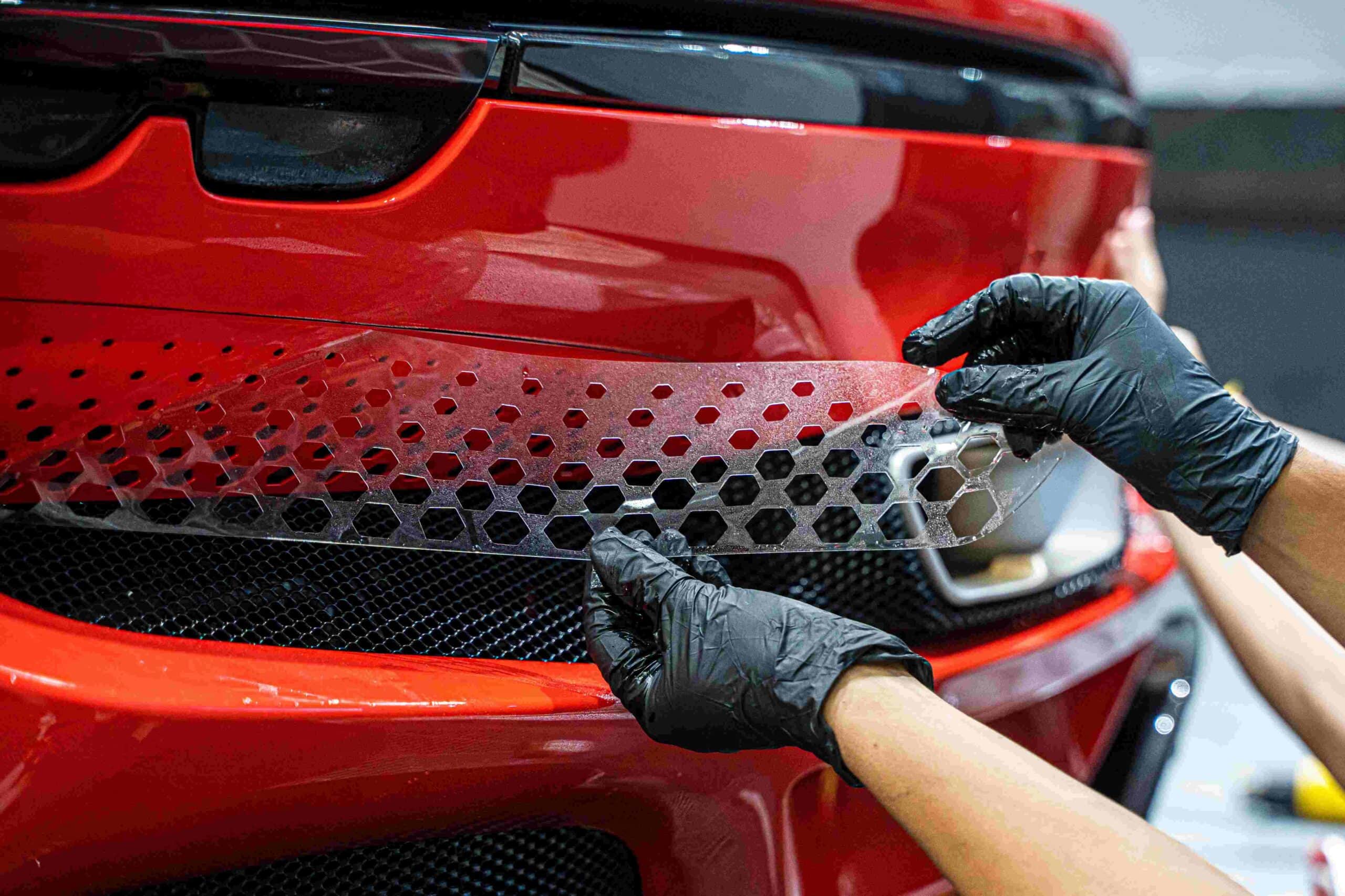
At a custom auto shop in Oakland County, MI, hands in black gloves carefully apply a perforated protective film to the front of a sleek red car bumper.

Hear from Our Customers

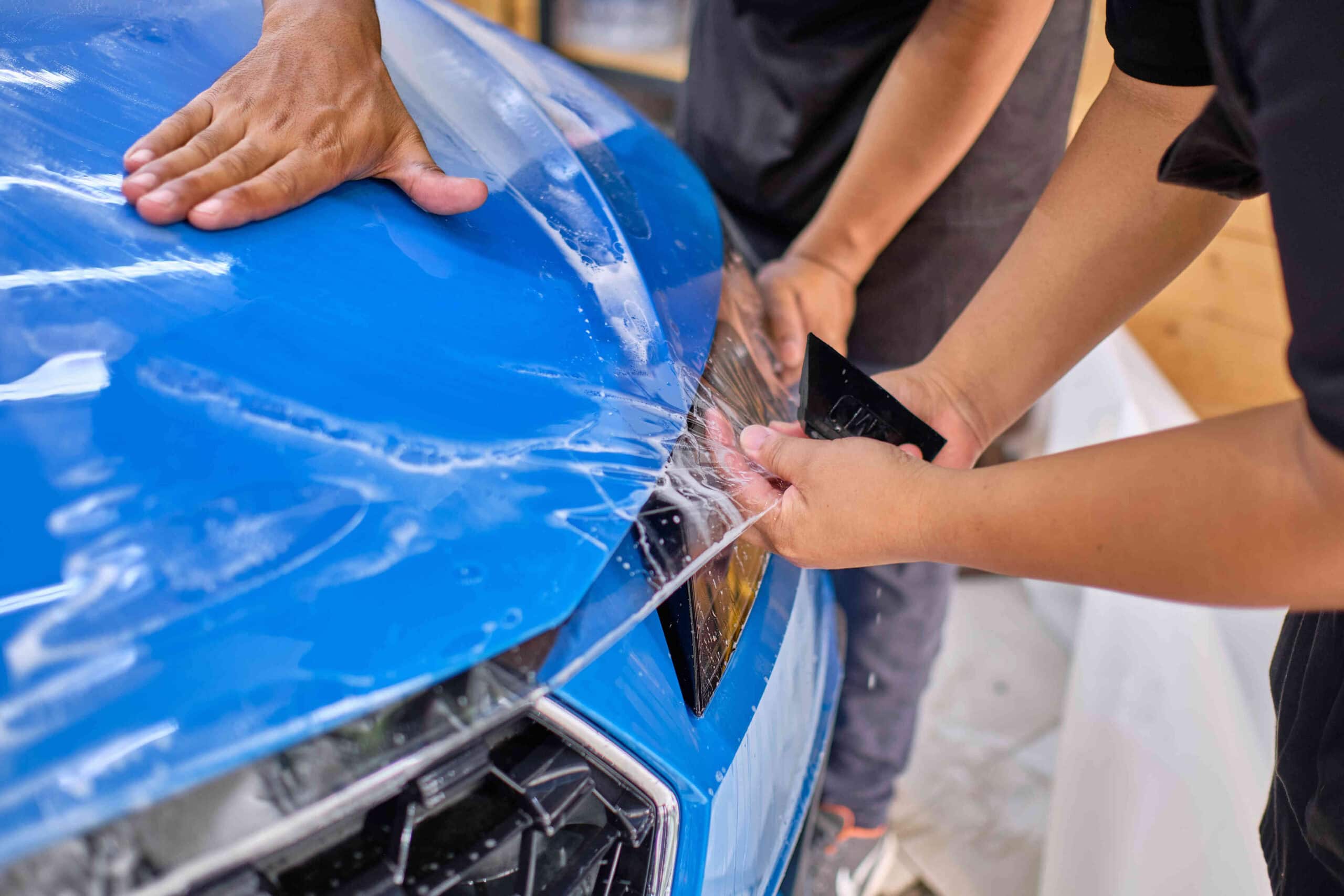
At a custom auto shop in Oakland County, MI, two technicians carefully apply a protective film to the front of a blue car. One smooths the film diligently while the other holds it steady, ensuring it adheres perfectly to the vehicle's surface.

Paint Protection Film Newark

What PPF Actually Does

Your car faces a lot out there. Road debris kicks up constantly on Michigan highways. Salt eats away at everything during winter months. UV rays fade paint over time.

Paint protection film creates an invisible barrier between your car and all of that. The film absorbs impact from rocks and debris that would otherwise chip your paint. It blocks UV rays that cause fading and oxidation. Most quality PPF even has self-healing properties that make minor scratches disappear with heat.

You get to keep driving without constantly worrying about every piece of gravel or parking lot door ding. Your car looks newer longer, and when it comes time to sell or turn in a lease, the protected paint helps maintain value.

Newark Auto Film Experts

We Install PPF Right

Master Touch AutoSports has been protecting vehicles in Newark and the surrounding area for years. PPF installation isn’t something you want to trust to just anyone – poor installation shows immediately and costs more to fix than doing it right the first time.

Our team knows how to properly prep surfaces, work with complex curves and edges, and ensure clean, invisible installations. We use quality materials from trusted manufacturers and back our work with warranties that actually mean something.
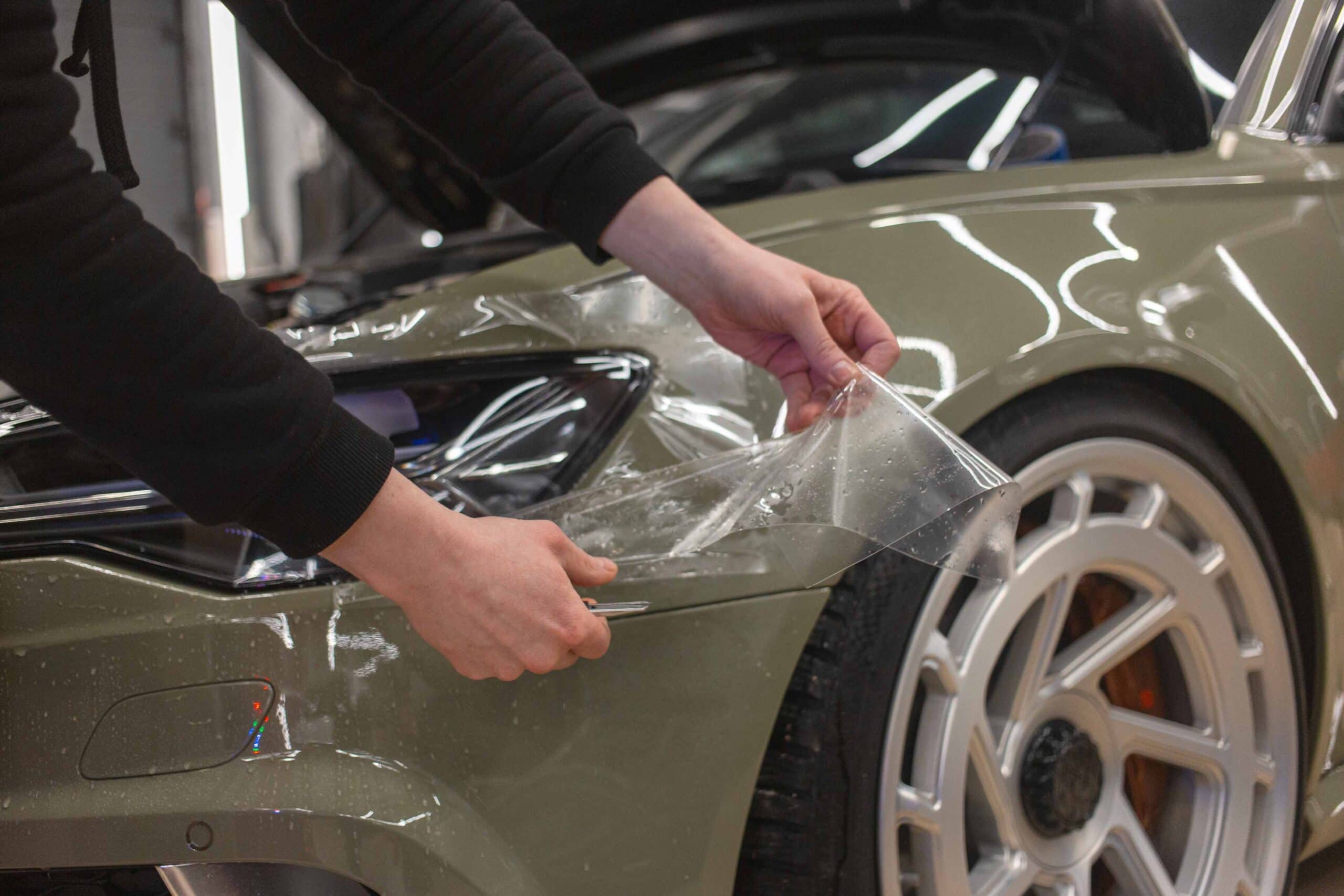
At a custom auto shop in Oakland County, MI, a person meticulously applies a clear protective film to the front fender of a matte olive green car, concentrating on the area above the wheel. The hood is open, revealing their black-sleeved arm as they work with precision.

PPF Installation Process Newark

Here's How We Install PPF

First, we thoroughly clean and prep your vehicle’s paint surface. Any contamination or imperfection under the film will show, so this step matters more than most people realize.

Next, we precisely cut the paint protection film to fit your vehicle’s specific curves and contours. Quality installation means working with the film’s properties, not fighting against them. We apply the film section by section, carefully removing air bubbles and ensuring proper adhesion.

Finally, we inspect every edge and corner to make sure the installation is clean and will last. The whole process typically takes several hours to a full day depending on coverage area. You get a vehicle that looks exactly the same but now has invisible protection against damage.
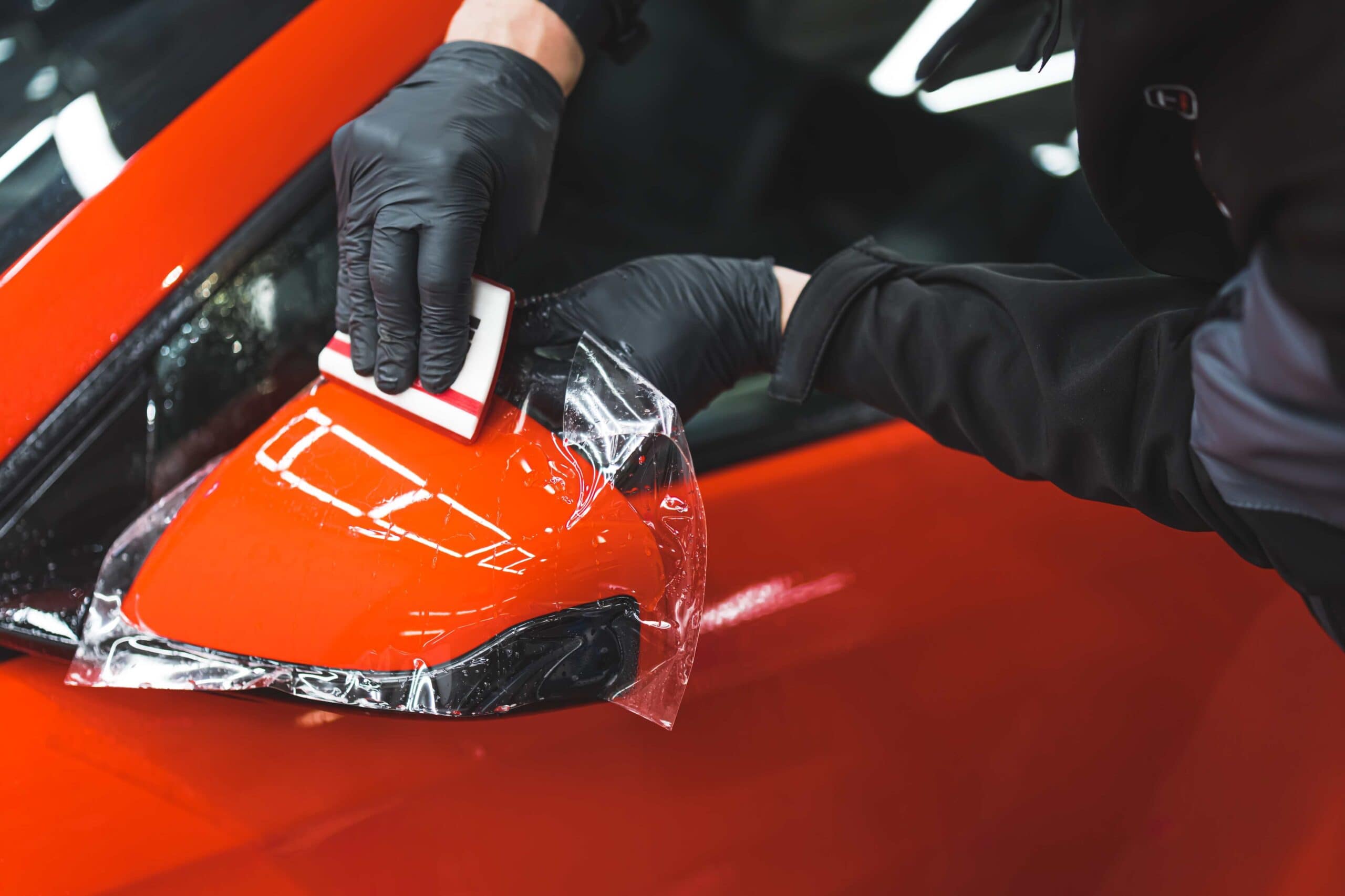
At a custom auto shop in Oakland County, MI, someone wearing black gloves expertly applies a protective film to a red car's side mirror using a small tool, ensuring the smoothest application process.

Ready to get started?

Explore More Services

About Master Touch Autosports

Get a Free Consultation

Clear Bra Services Newark

What's Included With PPF

You get professional-grade paint protection film applied to the areas you choose – whether that’s just the front end, full hood, or complete vehicle coverage. We handle all the prep work, precision cutting, and installation.

Every job includes proper surface preparation, quality materials, and careful attention to edges and seams. You won’t see bubbles, lifting edges, or visible lines when we’re done. The film should look like it’s not even there.

We also provide care instructions so you know how to maintain the film properly. Most PPF requires very little special care, but knowing the basics helps it last longer and perform better over time.
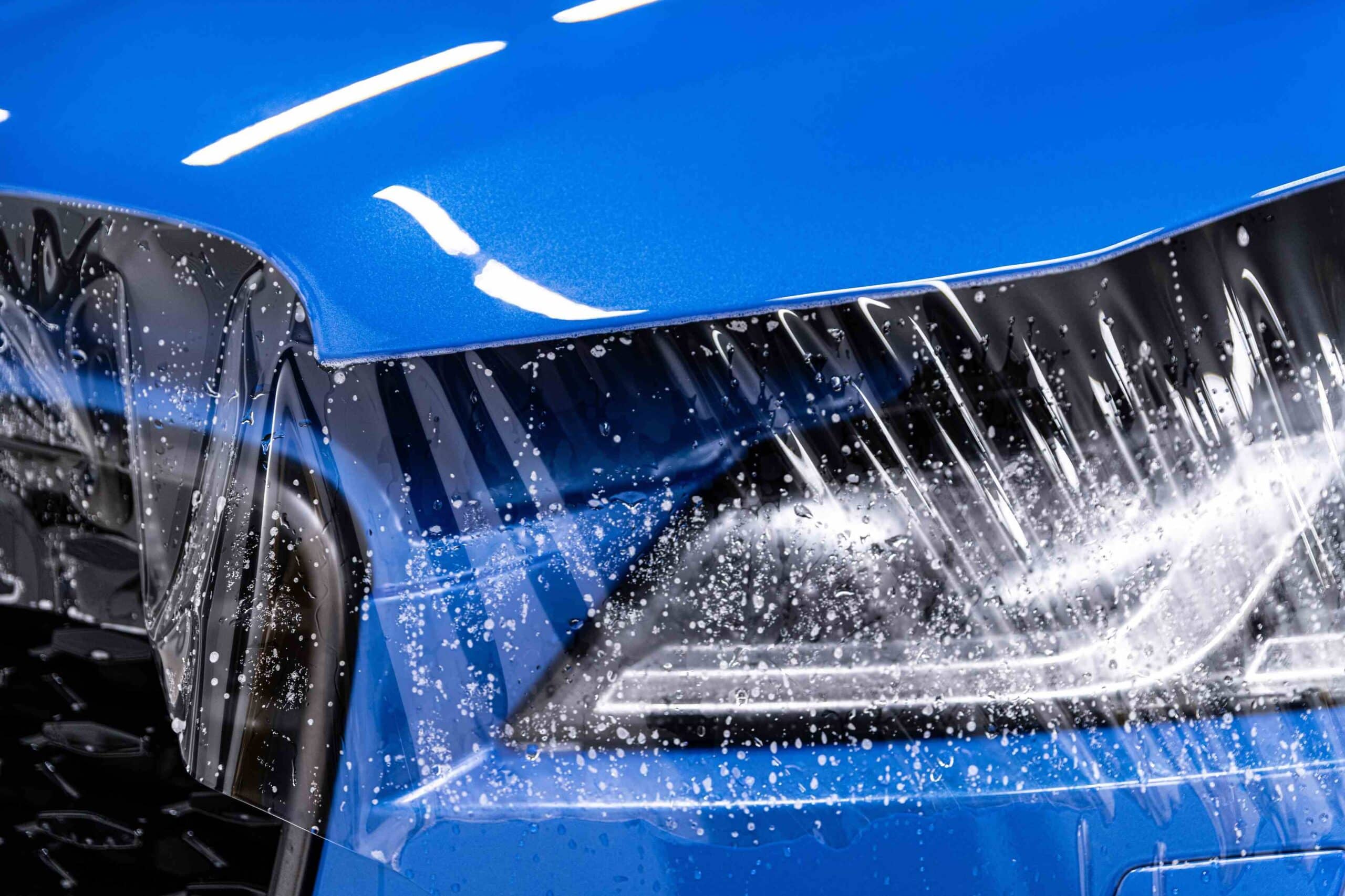
Close-up of a blue car's front end at a custom auto shop in Oakland County, MI, as a transparent protective film is applied over the headlight and part of the hood. Water droplets are visible on the surface, reflecting the light above.
Quality PPF typically lasts 7-10 years with proper care. The actual lifespan depends on several factors including the film quality, installation, and how much abuse your vehicle takes. Higher-end films with self-healing properties tend to last longer and look better throughout their life. Michigan’s harsh winters and road salt can be tough on everything, but good PPF is designed to handle those conditions. Most manufacturers offer warranties ranging from 5-10 years, which gives you an idea of expected performance.
No, properly installed PPF won’t damage your paint when removed correctly. The adhesive is designed to come off cleanly without leaving residue or pulling paint. However, this assumes the film was installed on properly cured paint and removed using proper techniques. If your car was recently painted, waiting 30-60 days before PPF installation is usually recommended. Professional removal is worth the cost if you’re not experienced with the process, as improper removal techniques can cause problems.
With quality installation, PPF edges should be nearly invisible. We know how to position edges along natural body lines, panel gaps, and curves where they won’t be noticeable. The film itself is optically clear, so it’s really about edge placement and proper installation technique. Cheap installation or low-quality film often results in visible edges, bubbling, or discoloration that makes the protection obvious. This is why choosing an experienced installer matters more than just finding the lowest price.
PPF costs vary significantly based on coverage area and film quality. Partial front-end protection typically runs less than full-vehicle coverage, obviously. Higher-end films with self-healing properties cost more than basic films, but they also perform better and last longer. The installation complexity also affects pricing – curved surfaces, complex body lines, and detailed work take more time. Rather than guessing, it’s better to get a specific quote based on your vehicle and coverage goals. Most people find the cost reasonable when compared to paint repair expenses.
PPF actually makes washing easier in most cases. The smooth film surface releases dirt more easily than paint, and you don’t have to worry as much about minor scratches from washing. You can use normal car wash soap and techniques. Avoid abrasive compounds or harsh chemicals that might damage the film. Most automatic car washes are fine, though touchless is gentler. The self-healing properties in quality films mean minor wash-induced scratches often disappear on their own with heat from the sun or a heat gun.
The front end gets hit with the most debris, so hood, bumper, headlights, and front fenders are the most common areas for protection. Many people also protect side mirrors, door handles, and the area behind rear wheels where tires kick up debris. Full vehicle coverage provides maximum protection but costs significantly more. Your driving habits, vehicle type, and budget help determine the right coverage. If you mostly drive highways, front-end protection makes the most sense. City driving with tight parking might call for door edge protection too.
Scroll to Top