PPF in Rochester Hills, MI

Your Car's Paint Protected Right

Professional paint protection film installation that keeps your investment looking factory-fresh for years.
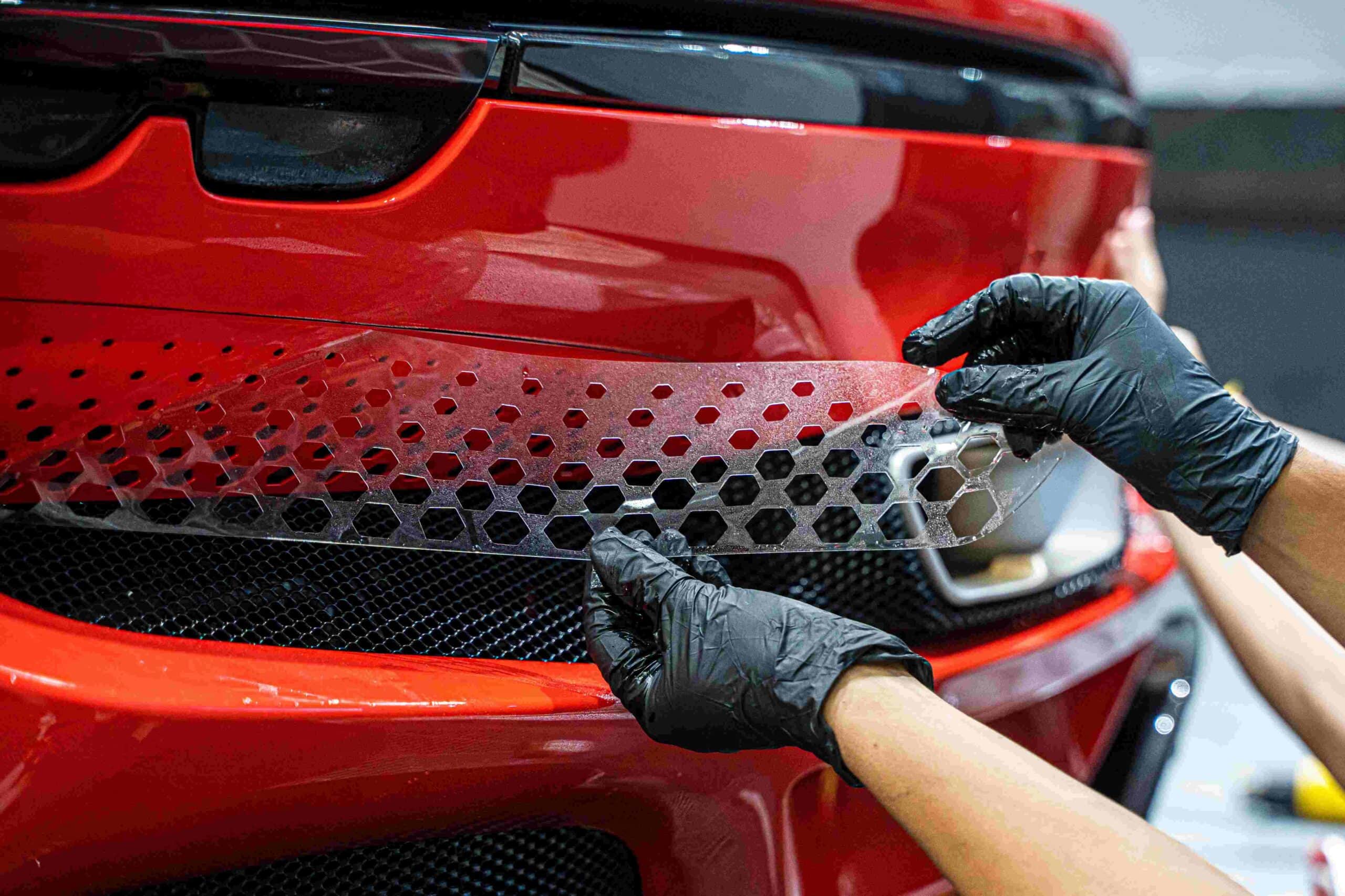
At a custom auto shop in Oakland County, MI, hands in black gloves carefully apply a perforated protective film to the front of a sleek red car bumper.

Hear from Our Customers

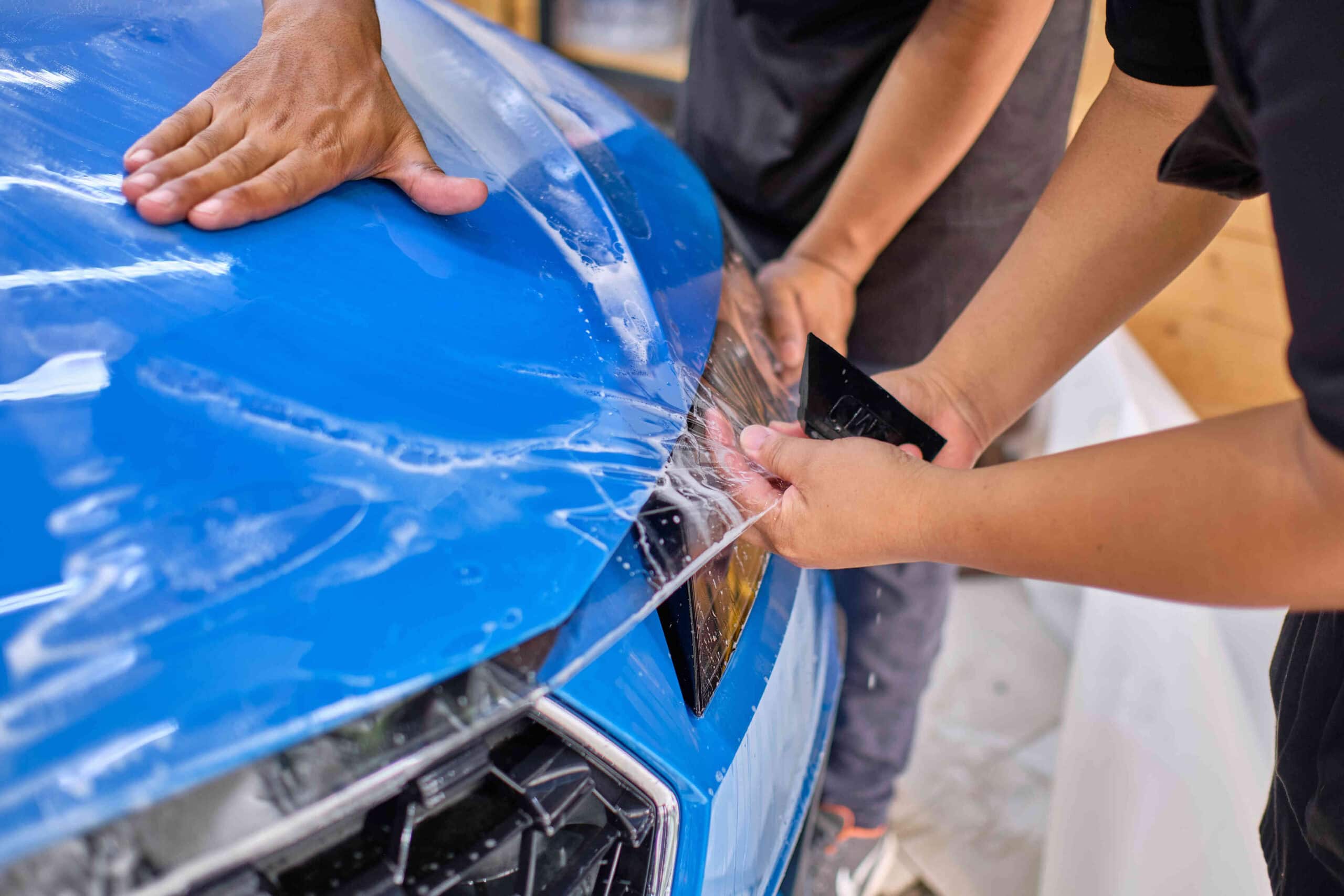
At a custom auto shop in Oakland County, MI, two technicians carefully apply a protective film to the front of a blue car. One smooths the film diligently while the other holds it steady, ensuring it adheres perfectly to the vehicle's surface.

Paint Protection Film Benefits

What PPF Actually Does

Your car stays looking new longer. That’s the real benefit of quality paint protection film.

PPF creates an invisible barrier between your paint and everything trying to damage it. Road debris, salt, UV rays, bird droppings, tree sap – all the stuff that normally chips, stains, and fades your paint gets stopped before it reaches the surface.

The film itself heals minor scratches with heat. Park in the sun or run warm water over small marks, and they disappear. Your car maintains that showroom finish that makes it worth more when you’re ready to sell or trade.

Rochester Hills PPF Experts

We Know Paint Protection

Master Touch AutoSports has been protecting vehicles in Rochester Hills for years. We understand how Michigan weather and road conditions affect your car’s finish.

Every installation happens in our controlled environment using professional-grade equipment. Our technicians are trained on proper film application techniques that prevent damage to your original paint.

Local car owners trust us because we consistently deliver clean installations with proper coverage and long-lasting results.
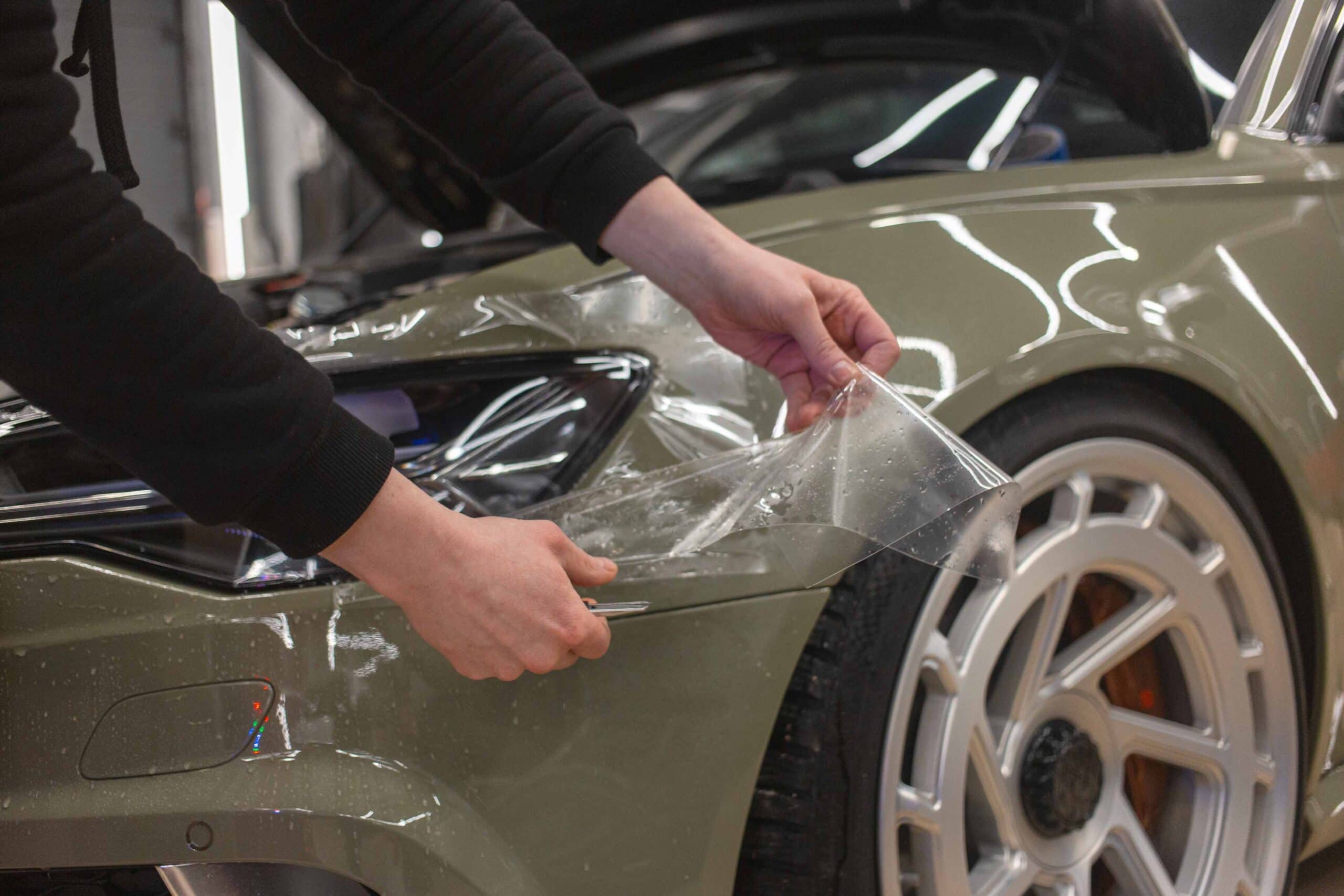
At a custom auto shop in Oakland County, MI, a person meticulously applies a clear protective film to the front fender of a matte olive green car, concentrating on the area above the wheel. The hood is open, revealing their black-sleeved arm as they work with precision.

PPF Installation Process

How We Install Your PPF

First, your car gets thoroughly cleaned and prepped. Every surface that’s getting film needs to be completely free of contaminants.

Next, the film gets precisely cut and positioned. Each piece is custom-fitted to your vehicle’s specific curves and edges. The installation happens in sections, with careful attention to alignment and bubble-free application.

Finally, the edges get sealed and the entire installation gets inspected. You’ll see exactly what’s been covered and get care instructions for maintaining the film. The whole process typically takes a full day, depending on how much coverage you want.
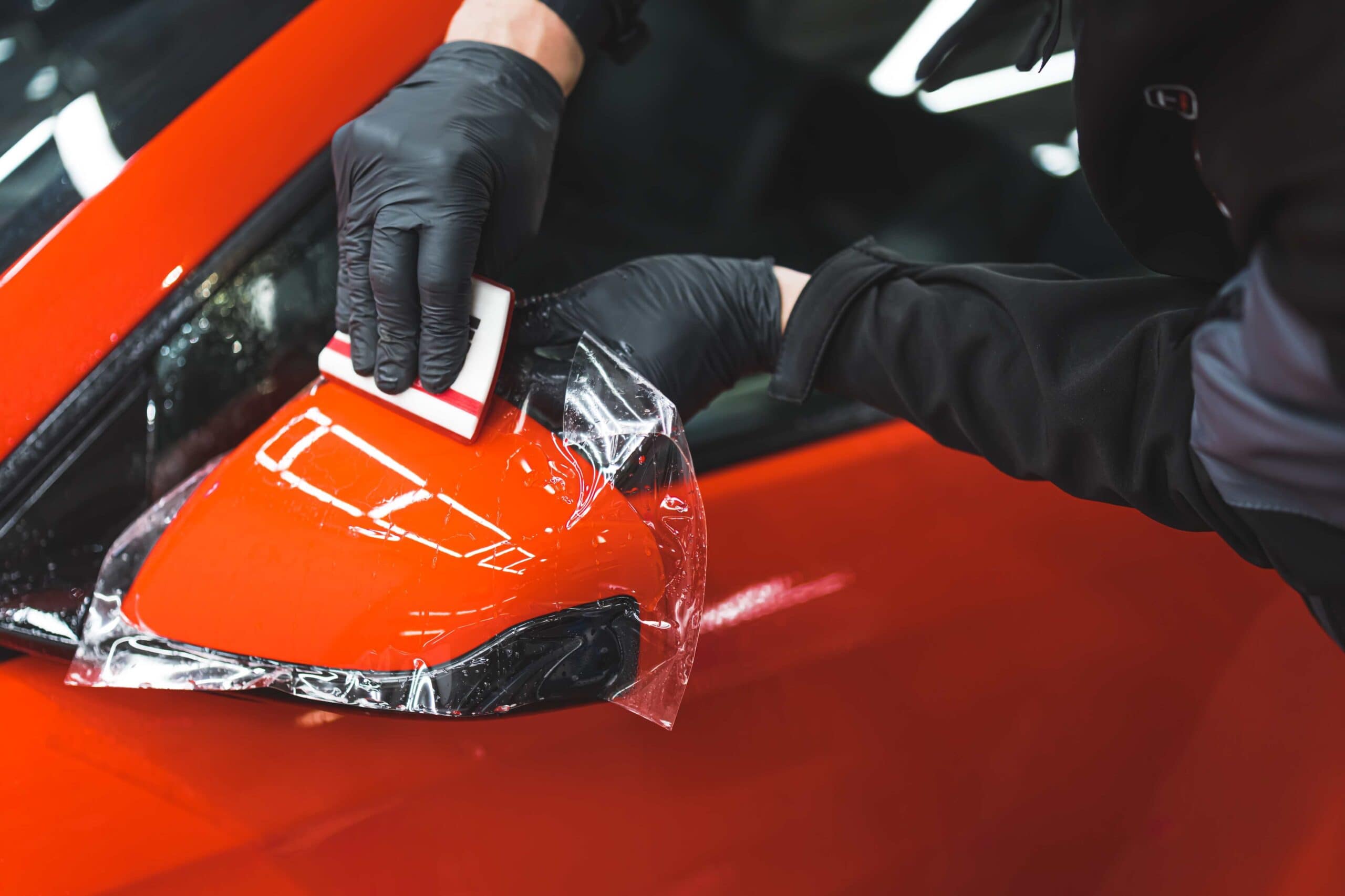
At a custom auto shop in Oakland County, MI, someone wearing black gloves expertly applies a protective film to a red car's side mirror using a small tool, ensuring the smoothest application process.

Ready to get started?

Explore More Services

About Master Touch Autosports

Get a Free Consultation

Rochester Hills Car Film

What's Included With PPF

You get premium paint protection film that’s designed to last. The material itself comes with manufacturer warranties against yellowing, cracking, and peeling.

Coverage options range from high-impact areas like the front bumper and hood to full-vehicle protection. Most Rochester Hills customers start with the front end where road debris hits most often.

The installation includes proper edge sealing and post-installation inspection. You’ll know exactly what’s protected and how to care for the film to maximize its lifespan.
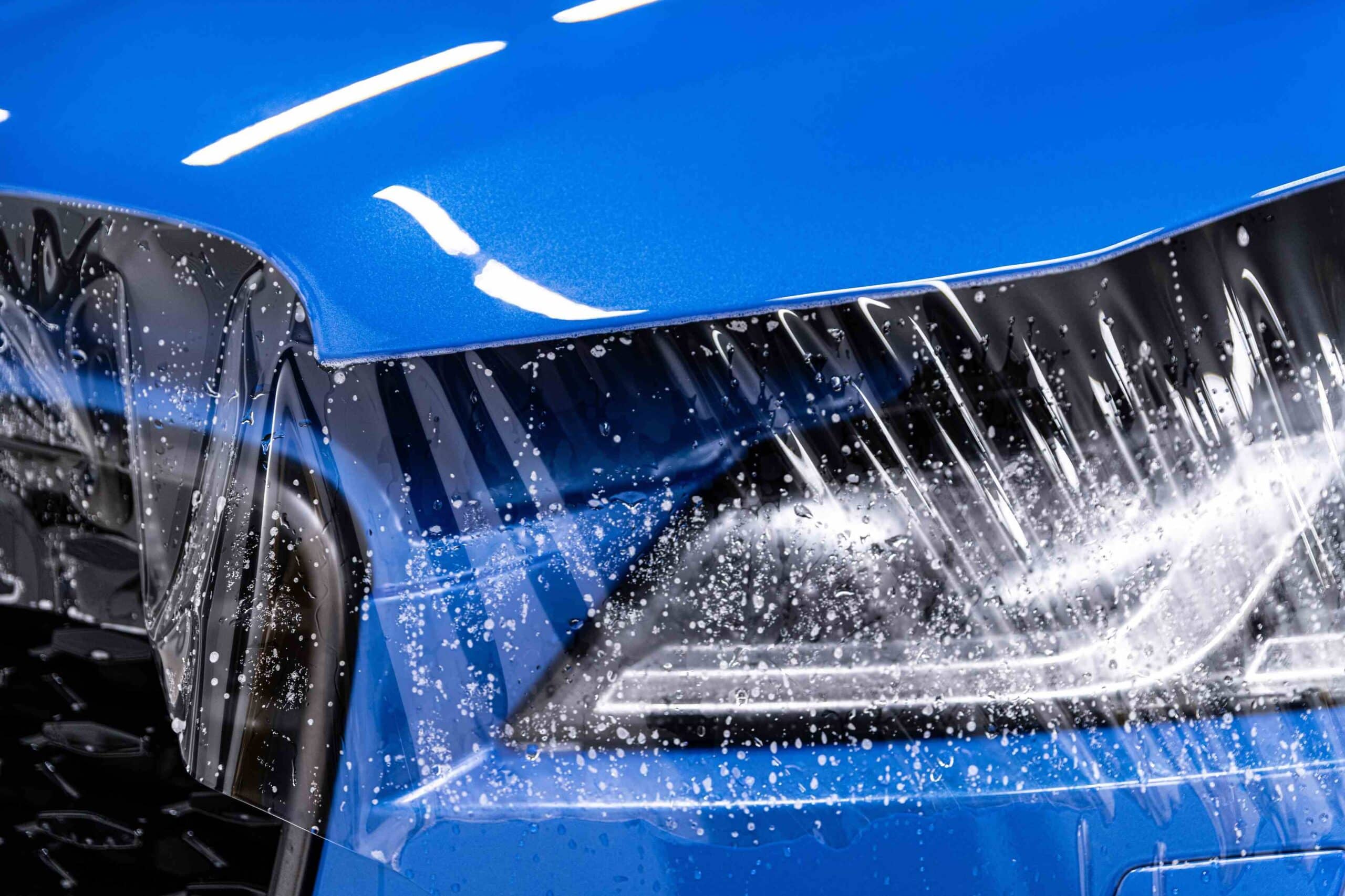
Close-up of a blue car's front end at a custom auto shop in Oakland County, MI, as a transparent protective film is applied over the headlight and part of the hood. Water droplets are visible on the surface, reflecting the light above.
Quality paint protection film typically lasts 7-10 years with proper care. The exact lifespan depends on the film quality, installation, and how much sun and weather exposure your car gets. Premium films come with warranties that cover yellowing, cracking, and peeling for specific time periods. In Rochester Hills, where we deal with road salt and temperature swings, good PPF pays for itself by preventing paint damage that would cost much more to repair.
Properly installed PPF is virtually invisible. You might notice the edges if you look closely, but the film itself is clear and doesn’t change your paint’s appearance. Poor installation can create visible lines, bubbles, or lifting edges, which is why professional installation matters. The goal is protection that maintains your car’s original look. Most people can’t tell there’s film on the car unless they know exactly where to look.
No, quality PPF removes cleanly without damaging paint when it’s professionally installed and removed within its recommended lifespan. The adhesive is designed to bond securely but release cleanly. Problems occur when cheap film is used, when it’s left on too long past its useful life, or when removal isn’t done properly. Professional removal involves heat and proper technique to ensure your original paint stays intact.
PPF cost depends on how much coverage you want and the quality of film used. Partial front-end coverage typically costs less than full-vehicle protection. The investment makes sense when you consider paint repair costs – fixing chips, scratches, and fading costs significantly more than preventing the damage in the first place. Most customers find that PPF pays for itself in maintained resale value and avoided repair costs.
PPF is a physical barrier that absorbs impacts and prevents damage. Ceramic coating is a liquid that bonds to paint and makes it more resistant to contaminants and easier to clean. PPF stops rock chips, scratches, and major damage. Ceramic coating helps with water spots, dirt buildup, and minor surface protection. Many customers use both – PPF for impact protection and ceramic coating for easier maintenance and enhanced gloss.
PPF works best on clean, undamaged paint. Minor imperfections might be acceptable, but significant scratches, chips, or damage should be repaired first. The film follows the surface underneath, so existing damage will still be visible and may prevent proper adhesion. A thorough paint inspection happens before installation to identify any issues that need addressing. The goal is to lock in a perfect finish, not hide existing problems.
Scroll to Top