PPF in Southfield, Michigan

Keep Your Paint Looking Factory Fresh

Invisible protection that stops chips, scratches, and road damage before they happen.
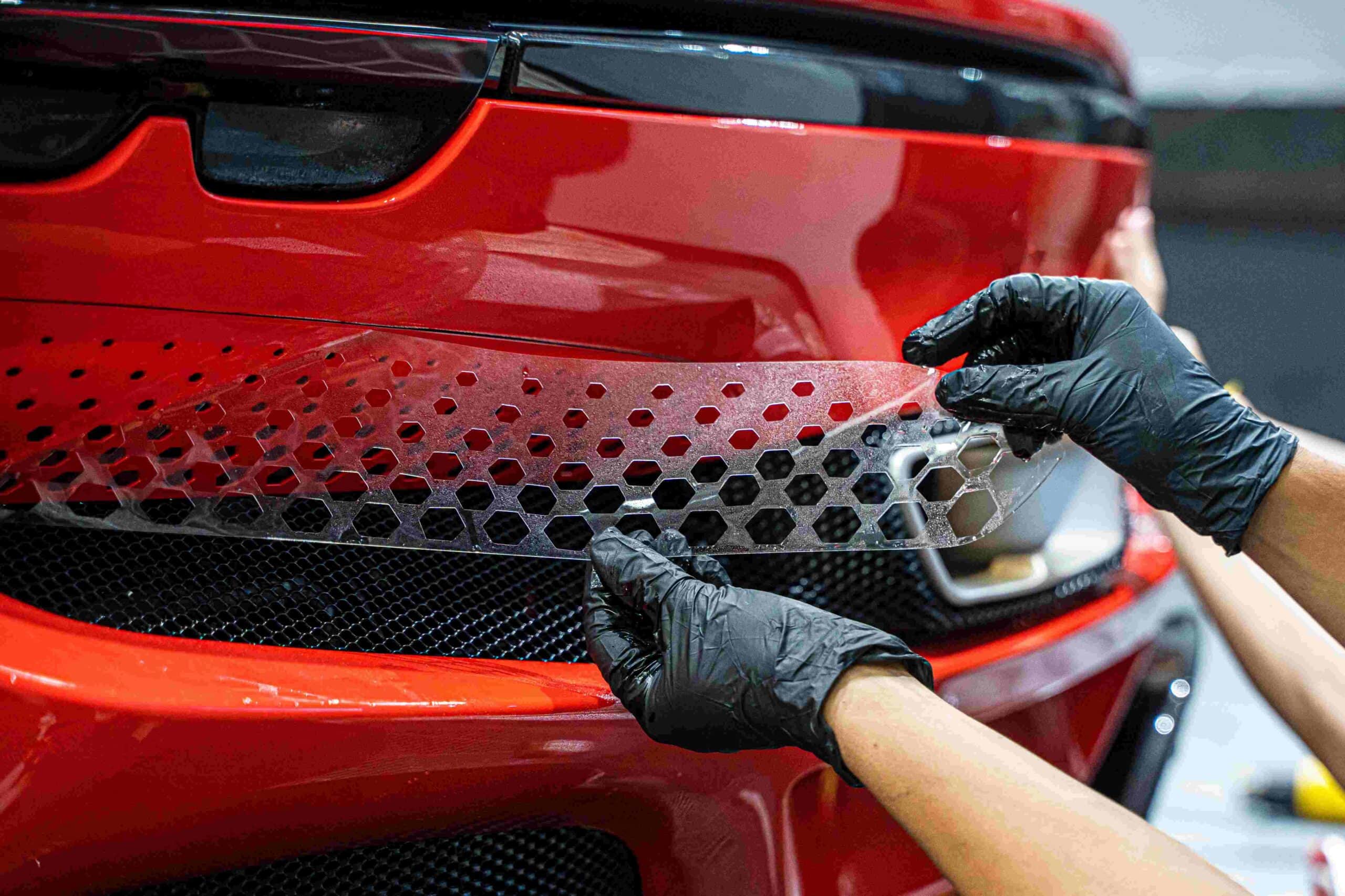
At a custom auto shop in Oakland County, MI, hands in black gloves carefully apply a perforated protective film to the front of a sleek red car bumper.

Hear from Our Customers

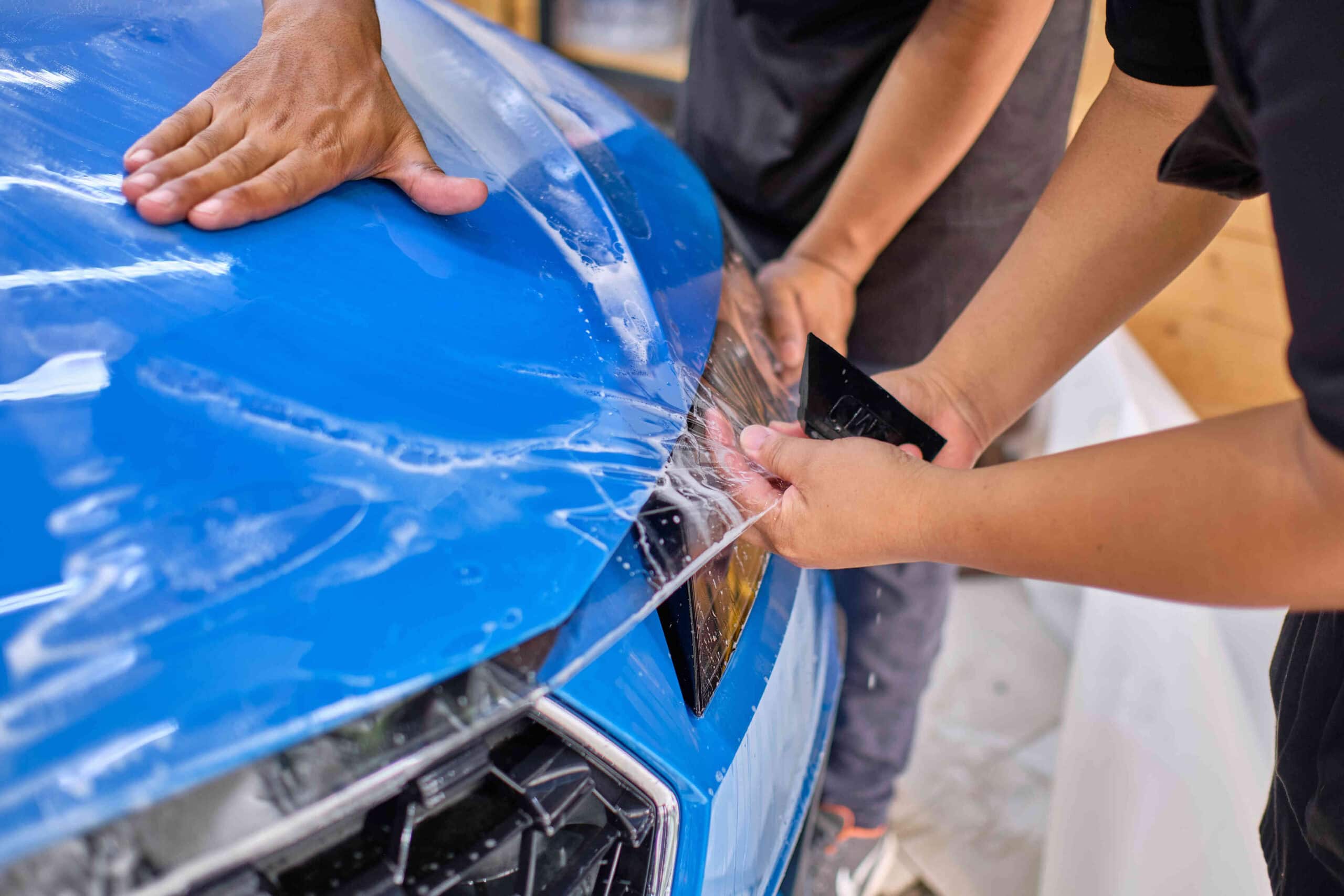
At a custom auto shop in Oakland County, MI, two technicians carefully apply a protective film to the front of a blue car. One smooths the film diligently while the other holds it steady, ensuring it adheres perfectly to the vehicle's surface.

Paint Protection Film Benefits

What PPF Actually Does for You

Your car’s paint faces constant attack. Road debris flies up at highway speeds. Parking lots are minefields of door dings and shopping cart scrapes. Michigan winters throw salt, sand, and ice at your vehicle for months.

Paint protection film creates an invisible barrier between your paint and everything trying to damage it. The film absorbs impacts that would otherwise chip your paint. Minor scratches heal themselves with heat from the sun or a heat gun.

You’re not just protecting paint. You’re protecting your investment. Cars with pristine paint hold their value. Cars with chips, scratches, and faded clear coat don’t. PPF keeps your vehicle looking newer longer, which matters when it’s time to sell or trade.

Southfield PPF Installation Experts

We Know Paint Protection Inside Out

Master Touch AutoSports has been protecting vehicles in Southfield and the surrounding Detroit metro area for years. We understand how Michigan’s climate affects automotive finishes and which protection methods actually work.

Every installation starts with proper surface preparation. The paint gets decontaminated, polished if needed, and prepped for film adhesion. The film is cut precisely for your vehicle using computer templates or hand-cut for perfect coverage.

This isn’t a side service. Paint protection is what we focus on, which means you get technicians who have seen every type of vehicle and know how to handle complex curves, edges, and body lines properly.
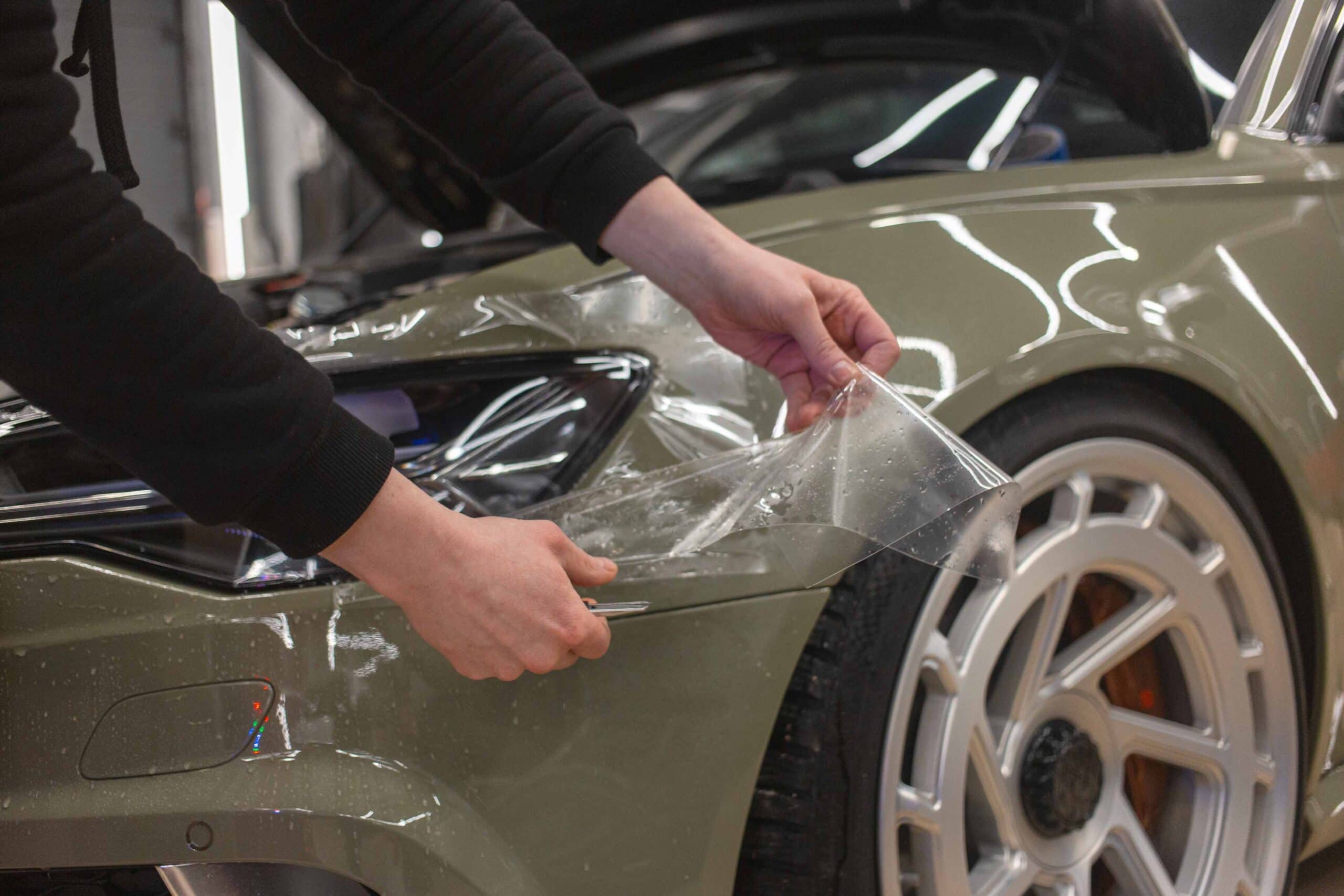
At a custom auto shop in Oakland County, MI, a person meticulously applies a clear protective film to the front fender of a matte olive green car, concentrating on the area above the wheel. The hood is open, revealing their black-sleeved arm as they work with precision.

Professional PPF Installation Process

Here's Exactly What Happens to Your Car

First, your vehicle gets thoroughly washed and decontaminated to remove any embedded dirt or contaminants. The paint surface needs to be perfect before film application. Any imperfections under the film will show through and potentially cause adhesion problems.

Next, the film gets precisely cut and positioned. Some areas use pre-cut templates for accuracy. Complex curves and detailed areas often require hand-cutting and custom shaping. The film is applied using a slip solution that allows positioning before final adhesion.

Finally, the film gets squeegeed down, edges sealed, and any air bubbles removed. The installation is inspected for proper coverage and adhesion. You’ll see some haziness initially – this clears up as the film cures over the next few days. The result is invisible protection that you can’t see but definitely feel confident about.
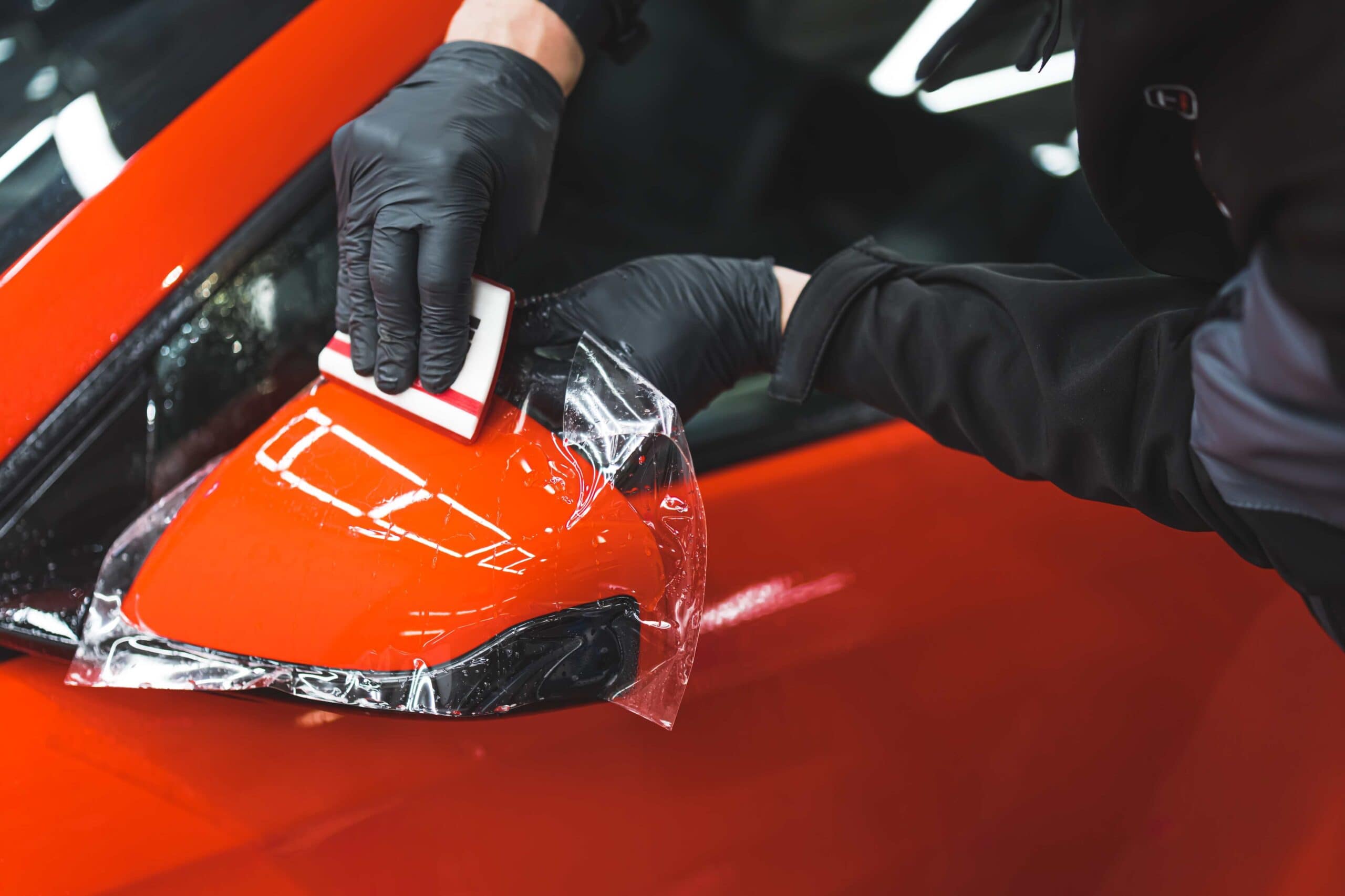
At a custom auto shop in Oakland County, MI, someone wearing black gloves expertly applies a protective film to a red car's side mirror using a small tool, ensuring the smoothest application process.

Ready to get started?

Explore More Services

About Master Touch Autosports

Get a Free Consultation

Complete PPF Coverage Options

Protection Packages That Actually Make Sense

Most people start with high-impact areas: front bumper, hood, fenders, mirrors, and door edges. These zones take the most abuse from road debris and daily driving. Partial coverage gives you the biggest protection bang for your buck.

Full vehicle wraps provide complete paint protection but require a larger investment. This makes sense for high-end vehicles, cars you plan to keep long-term, or if you’re particularly concerned about maintaining perfect paint condition.

The film itself matters as much as the installation. Quality PPF has self-healing properties, optical clarity, and long-term durability. Cheaper films yellow, peel, or fail prematurely. You want film that’s going to protect your investment for years, not create problems down the road. Every installation includes warranty coverage on both the film and the workmanship because proper PPF should last.
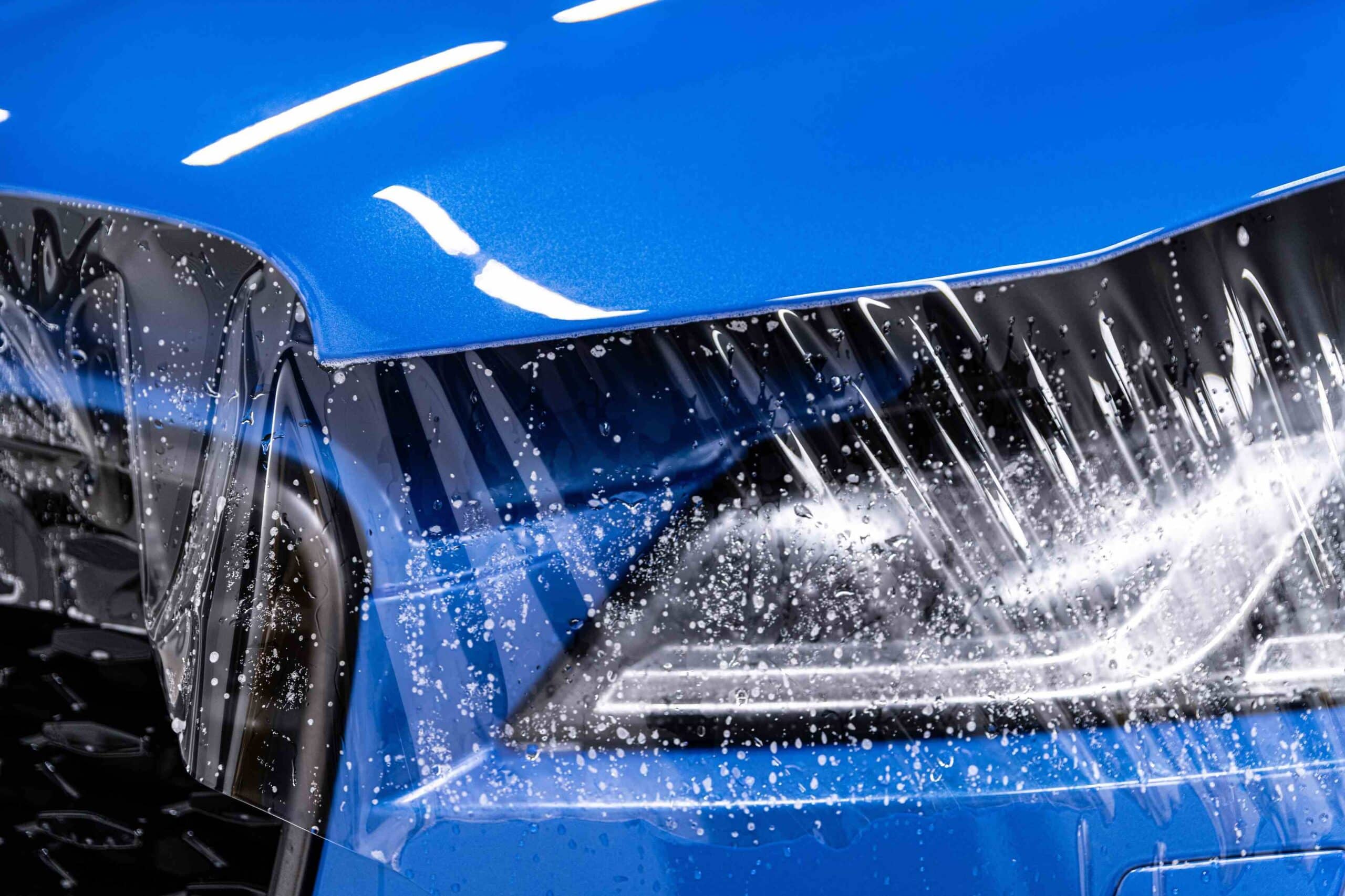
Close-up of a blue car's front end at a custom auto shop in Oakland County, MI, as a transparent protective film is applied over the headlight and part of the hood. Water droplets are visible on the surface, reflecting the light above.
Quality PPF typically lasts 7-10 years with proper care. The film’s lifespan depends on several factors: the quality of the film itself, installation technique, and how the vehicle is maintained. Premium films like XPEL and 3M offer better longevity and self-healing properties compared to budget options. Michigan’s harsh winters and road salt can be tough on any protective coating, but good PPF is designed to handle these conditions. You’ll know it’s time for replacement when the film starts showing permanent yellowing, edge lifting, or loses its self-healing ability.
Properly installed PPF is virtually invisible. You might notice very slight texture differences in certain lighting angles, but most people can’t tell it’s there unless they’re specifically looking for it. The film is optically clear and doesn’t change your paint color or finish. Poor installation can create visible edges, bubbles, or orange peel texture that makes the film obvious. This is why installation quality matters so much. The goal is protection that preserves your vehicle’s original appearance while keeping the paint underneath pristine.
PPF prevents most common paint damage but isn’t bulletproof. It excels at stopping rock chips, minor scratches, road debris, and UV damage. The film can self-heal light scratches from washing or minor contact. However, severe impacts, deep scratches from sharp objects, or intentional damage can still penetrate the film. Think of PPF as excellent insurance against everyday driving hazards rather than complete invincibility. It dramatically reduces paint damage but can’t prevent every possible scenario. For most drivers, it eliminates 90% of the paint damage they would otherwise experience.
PPF costs vary based on coverage area and vehicle complexity. Partial front-end protection typically runs $1,200-2,500, while full vehicle coverage ranges from $4,000-7,000+. Luxury vehicles with complex curves cost more due to installation difficulty. The investment makes financial sense when you consider paint repair costs: a single hood repaint can cost $800-1,500, and maintaining resale value often exceeds the PPF investment. Quality installation costs more upfront but prevents expensive paint repairs and maintains your vehicle’s value long-term.
PPF and ceramic coatings protect differently. PPF is a physical barrier that absorbs impacts and prevents chips, scratches, and road debris damage. Ceramic coating is a chemical layer that makes paint easier to clean and provides some UV protection, but won’t stop rock chips or physical damage. Many people combine both: PPF for impact protection on high-risk areas, ceramic coating for easier maintenance and gloss enhancement. If you can only choose one and want actual damage prevention, PPF is the better choice. Ceramic coating is more about maintenance benefits than protection.
Yes, quality PPF removes cleanly when done properly. The film is designed to come off without leaving residue or damaging paint, assuming the paint was in good condition when installed. Removal involves heating the film to soften the adhesive, then carefully peeling it away. Any remaining adhesive residue cleans off with proper solvents. The paint underneath typically looks better than surrounding unprotected areas because it’s been shielded from UV rays, contaminants, and minor damage. However, very old film or poor-quality products can become more difficult to remove, which is another reason to invest in quality materials and installation from the start.
Scroll to Top