PPF in Troy, MI

Your Paint Stays Perfect Longer

Professional paint protection film installation that actually works when Michigan roads try their worst.
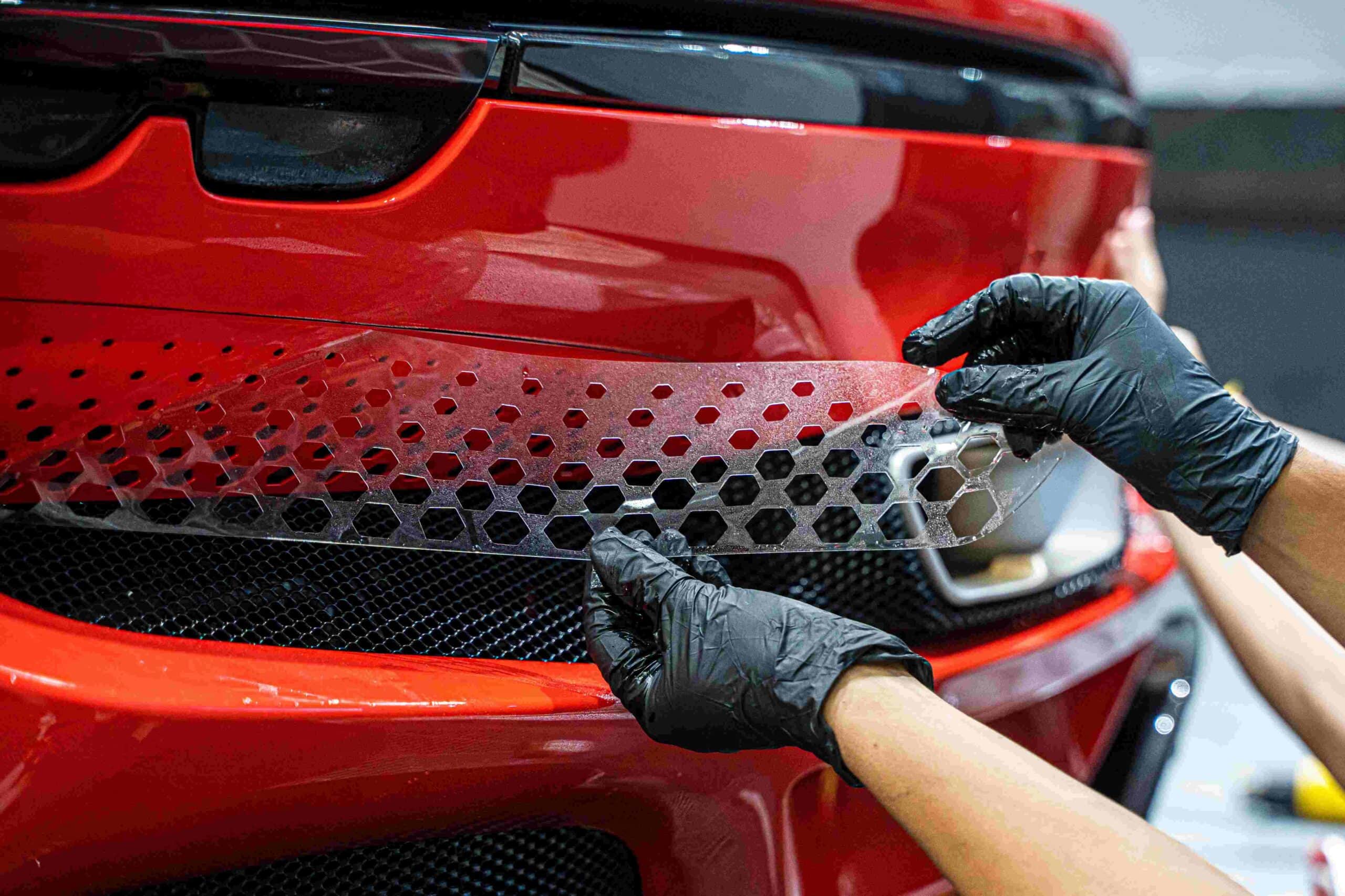
At a custom auto shop in Oakland County, MI, hands in black gloves carefully apply a perforated protective film to the front of a sleek red car bumper.

Hear from Our Customers

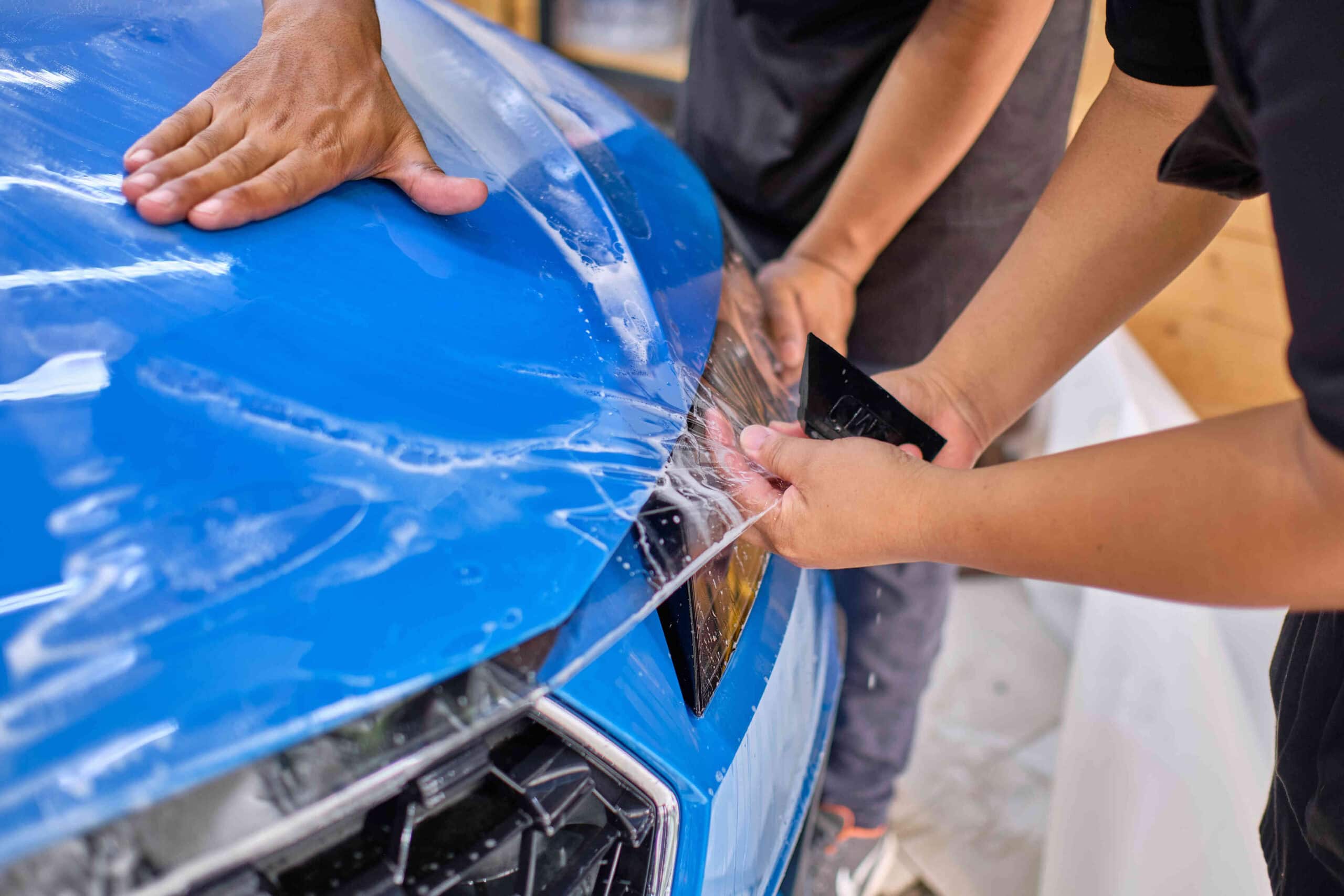
At a custom auto shop in Oakland County, MI, two technicians carefully apply a protective film to the front of a blue car. One smooths the film diligently while the other holds it steady, ensuring it adheres perfectly to the vehicle's surface.

Paint Protection Film Benefits

What PPF Actually Does

Your car looks the same as the day you drove it off the lot. No rock chips on the hood from I-75 traffic. No salt stains that won’t come off after winter. No scratches from shopping cart encounters.

Paint protection film creates an invisible barrier between your paint and everything trying to damage it. You drive without constantly worrying about every piece of road debris. Your resale value stays higher because the paint stays pristine.

The film is tough enough to handle Michigan’s worst but clear enough that you forget it’s there. You spend less time at the body shop and more time enjoying your vehicle.

Troy PPF Installation Experts

We Know Michigan Roads

We’ve been protecting vehicles in Troy and Oakland County for years. We understand what Michigan winters and construction zones do to paint.

Our shop handles everything from daily drivers to exotic cars. We use professional-grade materials and precision installation techniques. You get the same attention whether you’re protecting a work truck or a weekend sports car.

We’re local, which means we’re here when you need service or have questions. No shipping your car across the state or dealing with fly-by-night installers.
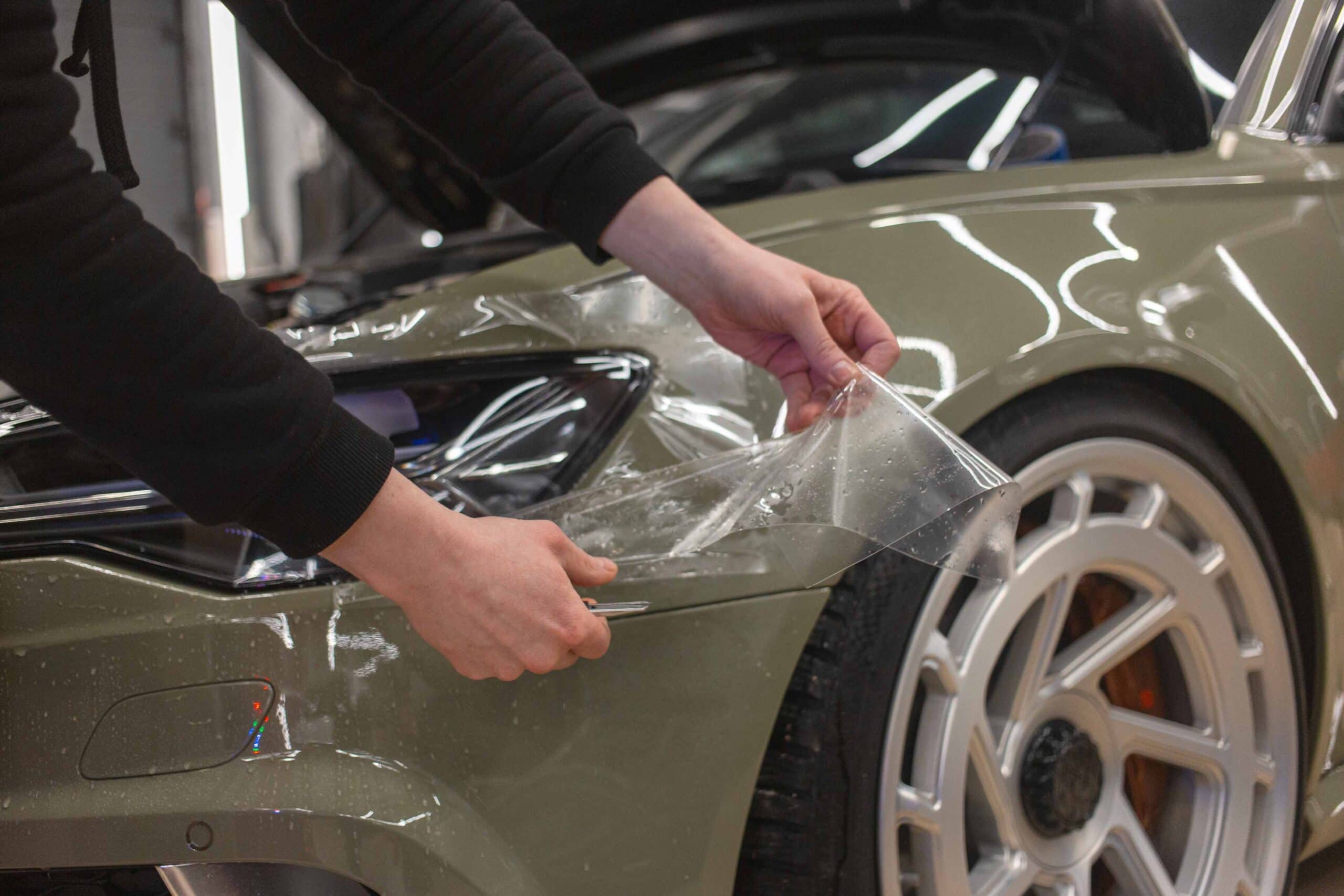
At a custom auto shop in Oakland County, MI, a person meticulously applies a clear protective film to the front fender of a matte olive green car, concentrating on the area above the wheel. The hood is open, revealing their black-sleeved arm as they work with precision.

PPF Installation Process

How We Install Your Protection

First, we clean and prep your vehicle’s surface completely. Any contamination or residue gets removed so the film bonds properly.

Next comes the precision cutting and fitting. We use templates and careful measurement to ensure perfect coverage without visible edges or overlap issues. The film gets applied section by section with professional tools that eliminate air bubbles and ensure proper adhesion.

Finally, we inspect every inch and trim any excess material. You get a vehicle that looks exactly like it did when you arrived, except now it’s protected. The whole process typically takes a day, depending on how much coverage you want.
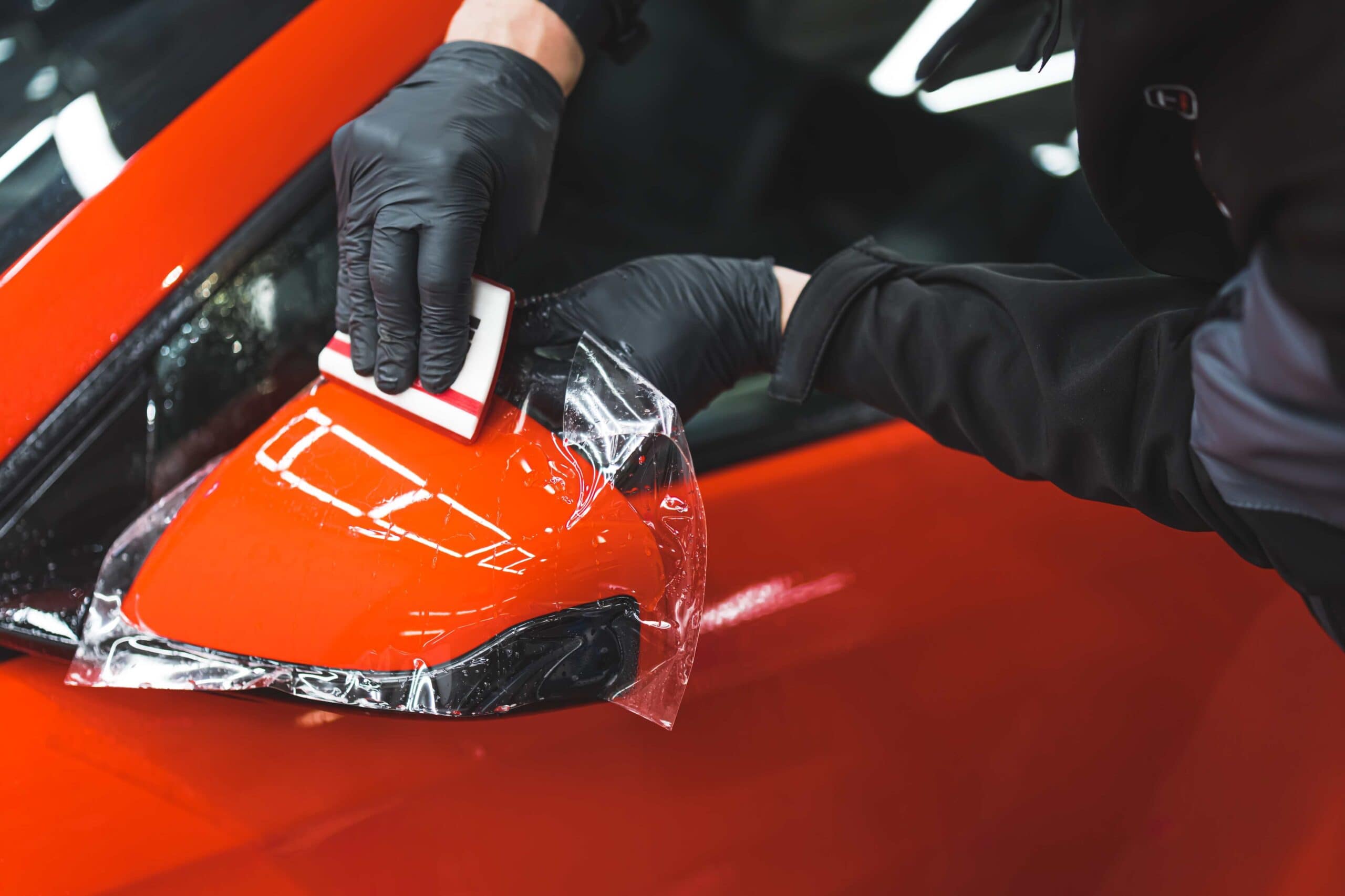
At a custom auto shop in Oakland County, MI, someone wearing black gloves expertly applies a protective film to a red car's side mirror using a small tool, ensuring the smoothest application process.

Ready to get started?

Explore More Services

About Master Touch Autosports

Get a Free Consultation

Clear Bra Coverage Options

What Gets Protected

Most people start with the front end because that’s where damage happens first. Hood, bumper, fenders, and mirrors get the most impact from road debris. This covers the areas that see the most abuse during daily driving.

Full vehicle coverage protects everything, including doors, rear panels, and roof areas. This makes sense if you’re keeping the car long-term or it’s a higher-end vehicle where any paint damage is expensive to fix.

We also handle partial coverage for specific problem areas. Maybe just the door edges where you park, or the rear bumper area where loading happens. You decide what level of protection makes sense for how you use your vehicle.
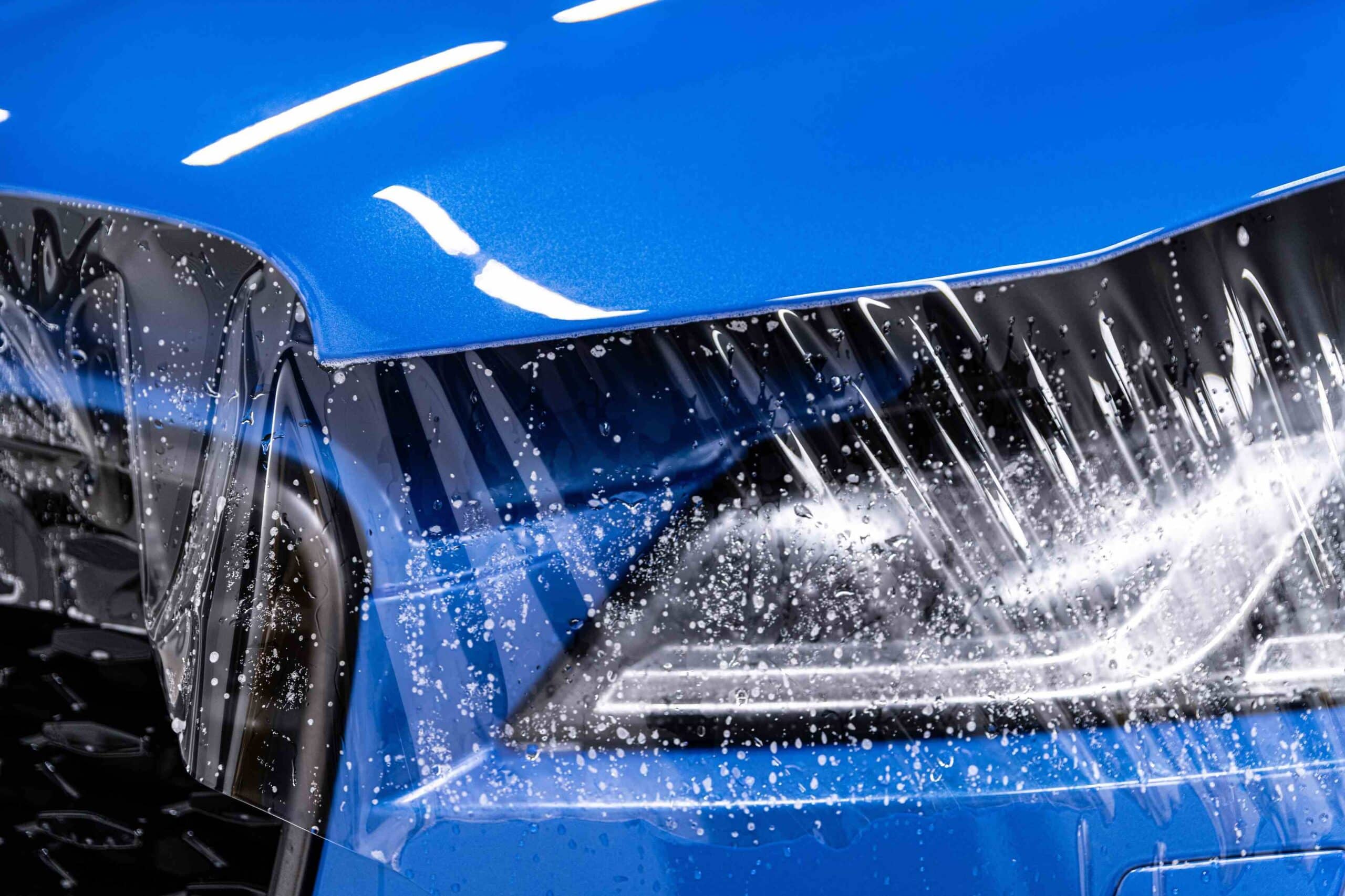
Close-up of a blue car's front end at a custom auto shop in Oakland County, MI, as a transparent protective film is applied over the headlight and part of the hood. Water droplets are visible on the surface, reflecting the light above.
Quality PPF typically lasts 7-10 years with proper care. The film’s durability depends on the brand, installation quality, and how much abuse your vehicle takes. Premium films come with warranties that back up their longevity claims. In Michigan’s climate, you’ll see the protection working immediately during winter months when salt and debris are constant threats. The film may show some wear after several years, but it’s doing its job by taking that damage instead of your paint.
Professional installation should be nearly invisible. You might notice very slight edges if you’re looking for them, but from normal viewing distances, quality PPF disappears. The film is optically clear and doesn’t change your paint’s appearance or gloss level. Poor installation is obvious – you’ll see bubbles, lifting edges, or visible seams. That’s why choosing an experienced installer matters more than saving a few dollars on the cheapest option.
Most damage to PPF can be repaired or replaced in sections without redoing the entire job. Small scratches often heal themselves with heat from the sun or a heat gun. Deeper cuts or tears mean that section needs replacement, but the film did its job by protecting your actual paint. Rock chips that would have meant bodywork and paint matching now just mean replacing a piece of film. The repair process is much simpler and cheaper than fixing damaged paint.
Pricing depends on your vehicle size and how much coverage you want. Partial front-end protection starts around $800-1200, while full vehicle coverage runs $3000-5000 for most cars. Luxury or exotic vehicles cost more due to complex curves and additional prep time. Consider this against the cost of paint repairs – one good rock chip repair can cost $300-500, and that’s just one spot. PPF prevents multiple repairs over the years you own the vehicle.
PPF installation doesn’t void your vehicle warranty when done properly. The film protects your paint without altering the vehicle’s structure or mechanical components. Most manufacturers recognize paint protection as beneficial maintenance, similar to applying wax or sealant. However, poor installation that damages paint during application could create warranty issues. This is another reason to choose experienced installers who know how to work with different paint types and vehicle designs.
Yes, PPF is designed to be removable without damaging your paint. Professional removal involves heating the film to soften the adhesive, then carefully peeling it away. Any adhesive residue comes off with proper solvents and techniques. The paint underneath should look exactly like it did when the film was installed, which is often better than surrounding unprotected areas. Removal typically takes a few hours and costs much less than the original installation.
Scroll to Top