PPF in Wolverine Lake, MI

Paint Protection That Actually Works

Keep your car looking showroom-fresh while Michigan roads do their worst.
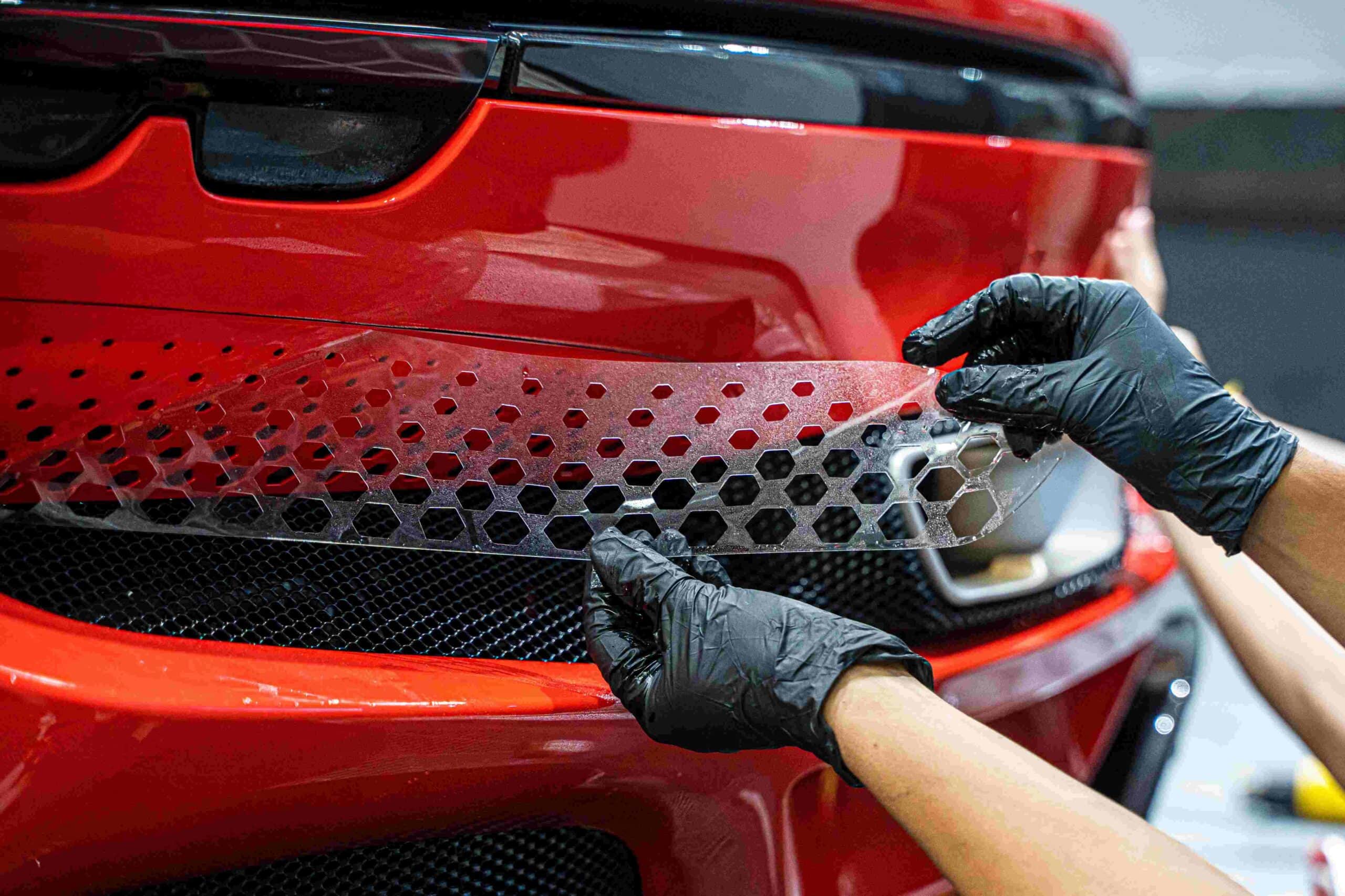
At a custom auto shop in Oakland County, MI, hands in black gloves carefully apply a perforated protective film to the front of a sleek red car bumper.

Hear from Our Customers

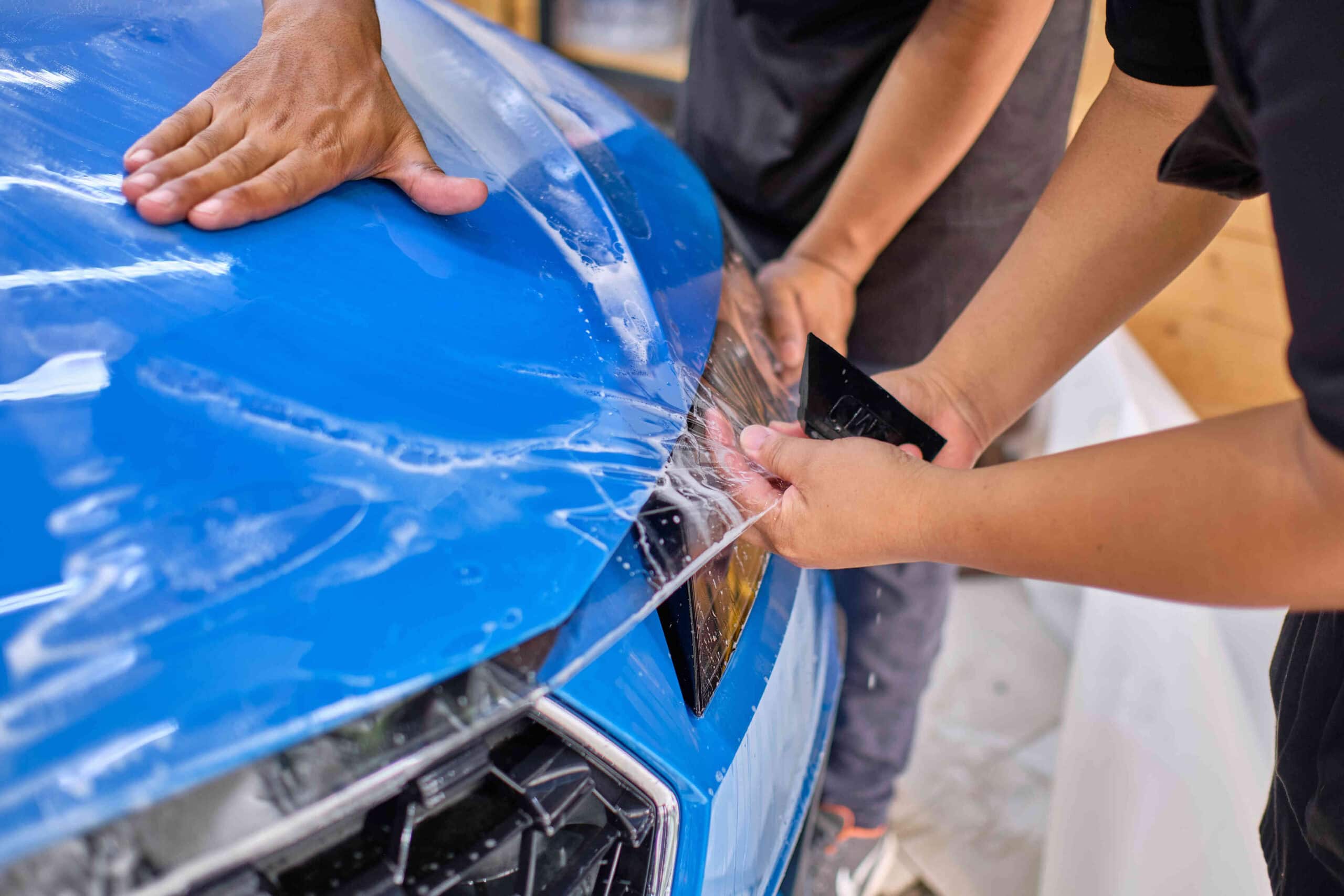
At a custom auto shop in Oakland County, MI, two technicians carefully apply a protective film to the front of a blue car. One smooths the film diligently while the other holds it steady, ensuring it adheres perfectly to the vehicle's surface.

Paint Protection Film Benefits

Your Car Stays Perfect Longer

You know what Michigan roads can do to your paint. Rock chips from construction zones. Salt stains that eat through clear coat. UV damage that turns your black car gray.

Paint protection film stops all of that before it starts. The clear, nearly invisible film takes the hit so your paint doesn’t have to. Road debris bounces off. Salt washes away clean. Your paint stays exactly how it looked the day you bought the car.

Most people wish they’d done this sooner. The film pays for itself by keeping you out of the body shop and maintaining your car’s value when it’s time to sell or turn in that lease.

Wolverine Lake PPF Experts

We Know Michigan Cars

We’ve been protecting vehicles in Wolverine Lake and surrounding areas for years. We’ve seen what Michigan weather and roads do to unprotected paint, and we’ve perfected the installation process that keeps your car looking right.

Our facility is equipped for precise PPF installation, and our team knows the difference between a quick job and one that’ll last. We work on everything from daily drivers to weekend toys, and we treat every car like it matters.
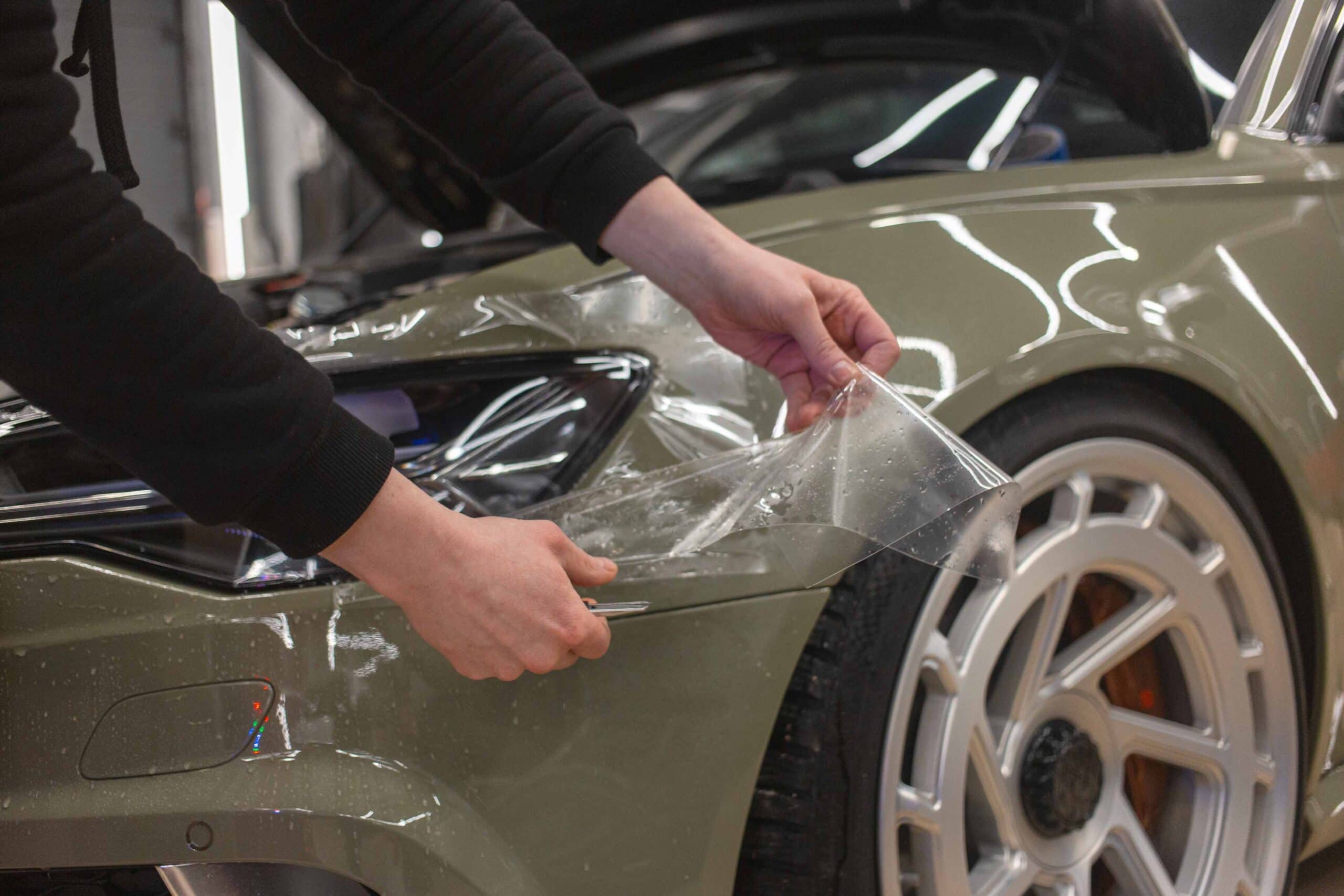
At a custom auto shop in Oakland County, MI, a person meticulously applies a clear protective film to the front fender of a matte olive green car, concentrating on the area above the wheel. The hood is open, revealing their black-sleeved arm as they work with precision.

PPF Installation Process

Clean Install, Clear Results

First, we thoroughly clean and prep your vehicle’s surface. Any contamination or imperfection under the film shows forever, so this step matters. We remove any existing wax or sealants and make sure the paint is perfect.

Next comes the actual film installation. We use computer-cut patterns specific to your vehicle’s make and model. The film goes on wet, which gives us time to position it perfectly and work out any air bubbles. This isn’t a rushed process.

Finally, we trim edges, check every corner, and make sure the film is completely adhered. The whole process takes most of a day, depending on how much coverage you want. You’ll leave with film that’s nearly invisible but completely protective.
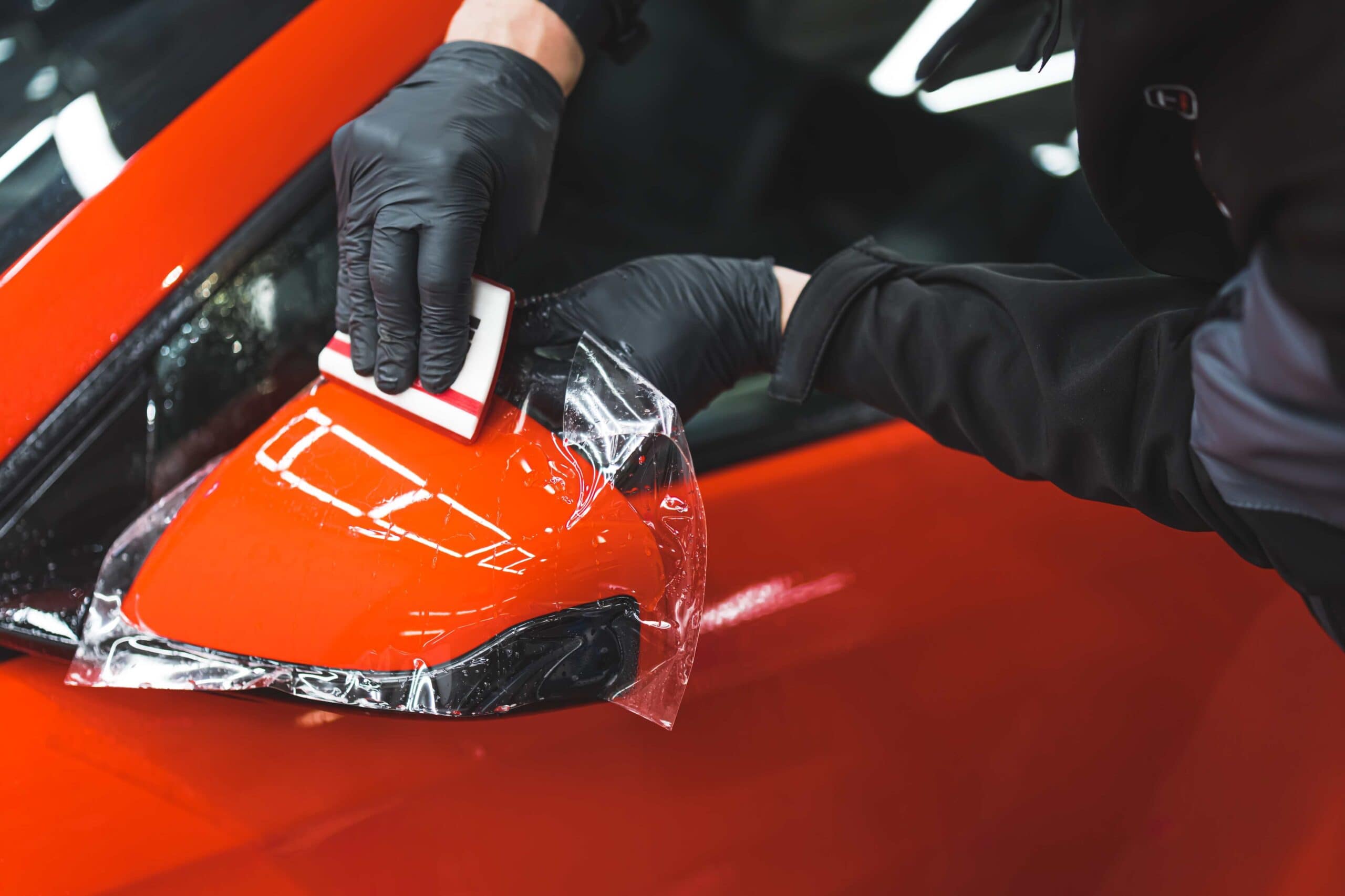
At a custom auto shop in Oakland County, MI, someone wearing black gloves expertly applies a protective film to a red car's side mirror using a small tool, ensuring the smoothest application process.

Ready to get started?

Explore More Services

About Master Touch Autosports

Get a Free Consultation

Clear Bra Coverage Options

Protection Where You Need It

Most people start with the front end – hood, bumper, fenders, and mirrors. That’s where you’ll see the most rock chips and road debris damage. It’s also the most cost-effective way to protect your investment.

Full-body coverage is popular with luxury cars and lease vehicles. Every painted surface gets protection, which means every painted surface stays perfect. It costs more upfront but eliminates any chance of paint damage anywhere on the car.

We also do custom coverage based on how you use your car. Track cars get different protection than daily drivers. Show cars need different coverage than work trucks. We’ll walk through what makes sense for your situation and budget.
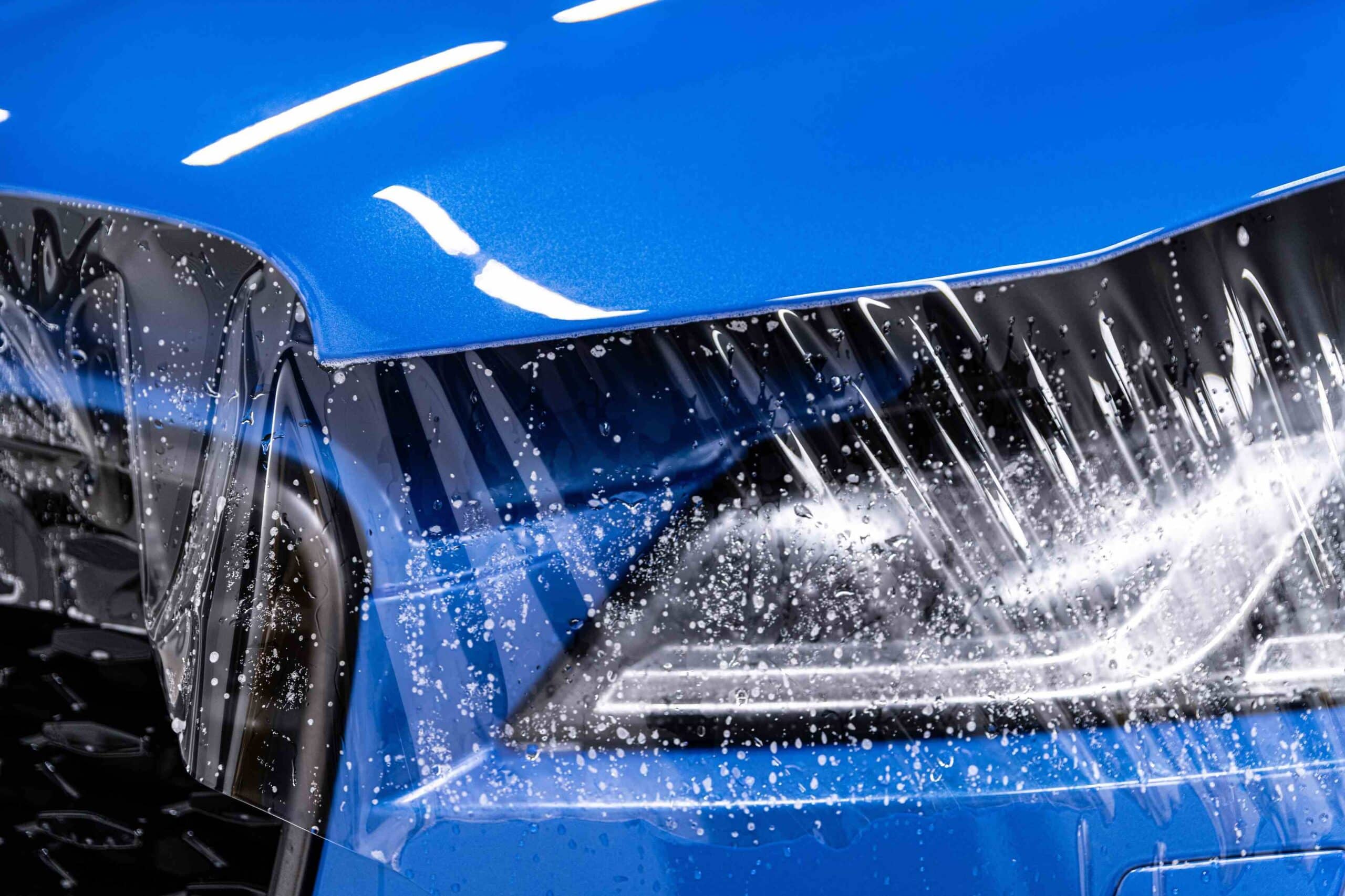
Close-up of a blue car's front end at a custom auto shop in Oakland County, MI, as a transparent protective film is applied over the headlight and part of the hood. Water droplets are visible on the surface, reflecting the light above.
Quality PPF typically lasts 10-12 years with proper care. The film doesn’t just disappear one day – it gradually loses some of its self-healing properties and may start to show wear at the edges. Most people get a full decade of protection before considering replacement. The key is professional installation and avoiding harsh chemicals when washing. Michigan’s weather is tough on everything, but good film holds up well to our temperature swings and road salt.
Modern PPF is nearly invisible when installed correctly. You might notice it if you’re looking for it in certain light, but most people can’t tell it’s there. The film is completely clear and doesn’t change your paint color or finish. Poor installation is usually what makes film visible – air bubbles, dust underneath, or edges that weren’t trimmed properly. That’s why the installation process matters as much as the film quality itself.
PPF is a physical barrier that absorbs impact from rocks and debris. Ceramic coating is a chemical bond that makes your paint easier to clean and adds some scratch resistance, but it won’t stop a rock chip. Think of PPF as armor and ceramic coating as a really good wax. Many people do both – PPF for impact protection and ceramic coating on top for easier maintenance. If you can only do one and you’re worried about rock chips, PPF is the answer.
No, properly installed PPF removes cleanly without damaging factory paint. The adhesive is designed to come off without residue when the film is removed correctly. We’ve removed film from 10+ year old installations with no paint damage. The key is professional removal – heating the film and using the right technique. DIY removal or letting damaged film sit too long can cause problems, but that’s rare with quality installation and reasonable care.
Front-end protection typically runs $1,200-2,000 depending on your vehicle and coverage area. Full-body protection ranges from $4,000-7,000 for most cars. Luxury vehicles and complex curves cost more because they require more time and material. The investment makes sense when you consider that a single rock chip repair costs $150-300, and a full hood repaint runs $1,000+. Most people break even on front-end protection after preventing just a few chips.
PPF won’t hide existing damage – it’s clear, so anything underneath shows through. Minor scratches can sometimes be polished out before installation, but rock chips need proper paint repair first. We’ll evaluate your paint condition and let you know what needs to be fixed before film installation. Putting film over damaged paint doesn’t make sense because you’ll still see the damage, and it makes future paint repair more complicated.
Scroll to Top