Summary:
Material Quality Standards That Actually Matter
The materials going on your vehicle determine everything that happens next. World-class custom auto shops don’t compromise here, and neither should you.
Premium shops use only name-brand materials with proven track records. When you’re looking at paint protection film, that means brands like XPEL that have spent decades perfecting their products. For ceramic coatings, it means established manufacturers with real-world testing data.
Here’s what separates the pros from everyone else: we can tell you exactly why we chose specific materials for your vehicle. Not just generic benefits, but why this particular product works best for your car’s paint, your driving conditions, and your protection goals.
Why Name-Brand Materials Cost More and Why That's Actually Good News
You’ll hear shops talk about “equivalent” products or “just as good” alternatives. Here’s the reality: there’s a reason premium materials cost more, and it’s not just marketing fluff.
Name-brand materials like XPEL have extensive R&D behind them. They’ve been tested in real-world conditions across different climates, not just controlled lab environments. They come with legitimate warranties that manufacturers actually honor. Most importantly, they maintain consistent quality control—every batch performs exactly the same way.
When we choose premium materials, we’re making a statement about our standards. We’re willing to invest more upfront because we know it means fewer callbacks, better customer satisfaction, and work that stands the test of Michigan winters. It also means we have direct relationships with these manufacturers—access to technical training, support, and the latest product innovations.
Generic materials might look similar on specification sheets, but they’re manufactured to different standards. The adhesives might not bond properly in cold weather. The protective properties might degrade after a year instead of five. The color matching might shift over time. When something goes wrong, you’re often left with limited recourse and expensive do-overs.
We’ve learned this lesson through experience: cutting corners on materials always costs more in the long run. For you, that means better protection, longer-lasting results, and confidence that your investment is truly protected against Oakland County’s harsh seasonal conditions.
Installation Environment Controls You Should Demand
Professional installation happens in controlled environments, not just any available garage space. Temperature, humidity, and cleanliness aren’t suggestions—they’re absolute requirements for proper material adhesion and curing.
Paint protection film and ceramic coatings are particularly sensitive to environmental conditions. Too hot, and the materials don’t flow properly during application. Too cold, and they don’t adhere correctly to your vehicle’s surface. Too humid, and you get contamination that shows up as imperfections. Too dusty, and particles get trapped under the film.
We maintain dedicated installation bays with proper climate control systems. We have multi-stage air filtration to minimize contamination. We follow strict protocols for surface preparation timing. These aren’t expensive add-ons—they’re basic requirements for professional results that last.
You should see clear evidence of these controls when you visit a shop. Clean, organized work areas with proper drainage. Professional lighting systems designed for inspection work. Temperature and humidity monitoring equipment. If a shop is doing high-end work in an uncontrolled environment, that’s your signal to keep looking.
The environment also affects our ability to perform precision work. Proper lighting reveals imperfections that need attention. Comfortable working conditions mean we can take the time needed for exact placement. Clean air means we’re not fighting contamination throughout the entire process.
When evaluating shops, ask specific questions about their installation environment. Quality shops are proud of their facilities and eager to explain their process. We understand that controlled conditions aren’t just professional courtesy—they’re essential for delivering the results you’re paying for.
Professional Installation Techniques That Protect Your Investment
Installation technique separates competent work from exceptional work. It’s the difference between protection that lasts years and protection that starts failing within months of Michigan weather exposure.
We follow manufacturer specifications exactly, without shortcuts or improvisation. We use the correct tools, follow precise sequences, and allow proper time for curing and bonding. This isn’t about being slow—it’s about being thorough.
Quality installation also means understanding your specific vehicle’s requirements. Different paint types, surface textures, and vehicle geometries require different approaches. We ask detailed questions about your car and explain how we’ll adapt our process accordingly.
Surface Preparation Standards That Make or Break Long-Term Results
Everything that happens after surface preparation is only as good as the foundation that’s been established. This is where many shops cut corners, and where those shortcuts show up later as premature failure and expensive rework.
Proper surface preparation starts with thorough cleaning, but it extends far beyond what regular car washing accomplishes. Contaminants that standard detailing can’t remove—industrial fallout, embedded road grime, old wax residue—must be eliminated completely. This requires specific chemicals, clay bar treatment, and often paint correction work.
The surface then needs to be conditioned to the exact specifications for whatever’s being applied. Paint protection film requires different preparation than ceramic coatings. Some applications need the surface perfectly smooth, others work better with slight texture for mechanical adhesion. We know these critical differences and prepare accordingly.
Temperature control matters significantly during preparation. Surface preparation chemicals work differently at different temperatures. Some need to be applied while the surface is warm, others at room temperature. The vehicle’s surface itself needs to be at the right temperature for proper adhesion. We monitor and control these variables throughout the process.
You should expect to see evidence of thorough, systematic preparation when you visit a shop. Multiple cleaning stages with different products, proper chemical storage systems, surface inspection tools and lighting. If an installer is rushing through preparation or skipping documented steps, that’s a clear warning sign. The best long-term results always start with the most thorough preparation.
We also document our preparation process completely. We can tell you exactly what was done to your vehicle’s surface and why each step was necessary. This isn’t just for our internal records—it’s information you might need later for warranty claims or additional work.
Quality Control Inspections Throughout Every Stage
Professional installation includes multiple quality checkpoints throughout the process, not just a cursory final inspection. Problems identified early are easier and less expensive to correct than issues discovered after the job is supposedly complete.
We perform inspections at each critical stage of the process. After surface preparation, we verify complete cleanliness and proper conditioning. During application, we monitor continuously for bubbles, contamination, or adhesion issues. After installation, we conduct detailed final inspections under proper lighting conditions.
These inspections aren’t just visual assessments. We use specific tools and techniques to verify quality objectively. We might use special LED lighting to reveal hidden imperfections, or perform specific tests to verify proper adhesion. We document what we find and address any issues before considering the job complete.
The inspection process should include meaningful customer involvement. We want you to see and understand exactly what’s been accomplished. We’ll walk you through the completed work, point out specific quality details, and explain what to expect during the break-in period. This isn’t just customer service—it’s quality assurance that protects both parties.
Documentation plays a crucial role here. We maintain detailed records of our inspections, including high-resolution photos of the completed work. This serves multiple important purposes: it protects both you and us if questions arise later, it facilitates warranty claims, and it provides a baseline for future maintenance or additional work.
You should expect clear, detailed communication about the inspection process when choosing a shop. We explain what we’ll be checking, when inspections occur, and what happens if we discover issues. We view inspection as an integral part of our service, not an optional add-on or afterthought.
Finding Custom Auto Shop Excellence in Oakland County, MI
These five installation standards—material quality, environmental controls, professional techniques, surface preparation, and quality control—define the clear difference between adequate work and exceptional work. They’re what separate shops that truly protect your investment from shops that put it at unnecessary risk.
When you’re evaluating custom auto shops in Oakland County, look for concrete evidence of these standards in action. Ask specific, detailed questions about materials, processes, and quality control measures. Quality shops take pride in their standards and welcome the opportunity to explain their approach.
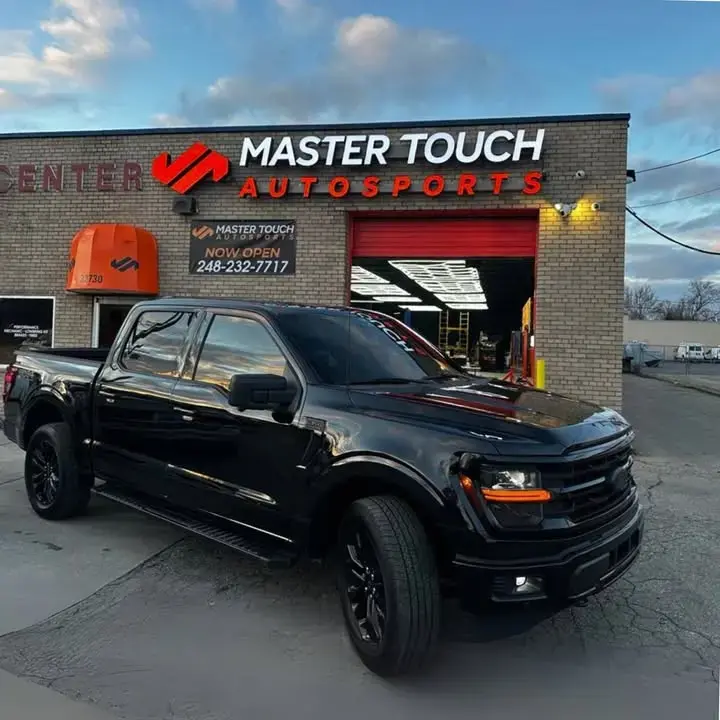
Your vehicle deserves workmanship that matches its value and your expectations. At Master Touch AutoSports, we’ve built our reputation on exactly these standards, backed by over 40 years of experience and a lifetime guarantee on installation services.