
Summary:
What Makes Professional Window Tinting Worth The Investment
Professional window tinting costs more upfront than DIY kits, but the difference becomes clear within months. Quality installation prevents the bubbling, peeling, and discoloration that plague cheap alternatives.
More importantly, professional tinters understand Michigan’s specific laws and climate challenges. We know which films hold up against road salt, extreme temperature changes, and the UV exposure that bounces off snow in winter.
The investment pays for itself through better comfort, fuel savings from improved climate control, and avoiding the cost of removing and replacing failed tinting jobs.
How Michigan's Climate Affects Your Window Tint Choice
Michigan’s weather extremes create unique challenges for window tinting that many installers don’t fully understand. Temperature swings from below zero to over 90 degrees test film adhesion and durability in ways that milder climates don’t.
Road salt is particularly harsh on automotive films. Cheaper tints break down faster when exposed to the salt spray that coats vehicles throughout winter months. Quality ceramic films resist this chemical assault while maintaining their protective properties.
UV exposure doesn’t disappear in winter—it actually increases when sunlight reflects off snow and ice. This means your tint needs to provide consistent protection year-round, not just during summer months.
The best window tinting services in Oakland County, MI stock films specifically designed for harsh climates. We understand that a film that works in Arizona might fail in Michigan, and we choose products accordingly.
Ceramic tints offer the best performance for Michigan conditions. They block up to 99% of UV rays without interfering with electronic devices, maintain consistent heat rejection regardless of temperature, and resist fading even under extreme conditions.
Professional installers also understand how Michigan’s humidity affects the curing process. Proper installation timing and climate-controlled environments ensure your tint bonds correctly from day one.
Michigan Window Tinting Laws You Need To Know
Michigan’s window tinting laws are more flexible than many states, but violations still result in fines and forced removal. Understanding these regulations protects you from expensive mistakes and legal hassles.
Front side windows can only be tinted on the top 4 inches, following the AS-1 line marked on your windshield. Any tinting below this line on front windows is illegal and will result in citations.
Rear windows and back side windows can be tinted to any darkness level, giving you flexibility for privacy and heat rejection. However, if you tint your rear window, you must have functional side mirrors.
Reflectivity limits apply to all windows—no more than 35% reflective surfaces are allowed. This eliminates highly reflective “mirror” tints that can blind other drivers.
Silver and gold tints are specifically prohibited in Michigan. These metallic colors are considered too distracting and dangerous for road use.
Medical exemptions are available for individuals with light sensitivity conditions, but require proper documentation from licensed physicians. These exemptions must be carried in the vehicle at all times.
Professional tinting services ensure compliance by testing all installations with the same meters used by law enforcement. We understand local enforcement patterns and help you choose tint levels that provide maximum benefits while staying legal.
Working with experienced professionals also means getting proper documentation and warranties that protect you if questions arise about your tint’s legality.
How To Evaluate Window Tinting Services In Oakland County, MI
Not all window tinting services deliver the same results, even when using similar materials. The difference lies in experience, installation techniques, and understanding of local conditions.
Look for shops that specialize in automotive work rather than general glass services. Vehicle windows require different skills and materials than residential or commercial applications.
Experience with Michigan conditions matters more than general tinting experience. Ask specifically about their familiarity with road salt damage, temperature extremes, and local legal requirements.
Questions To Ask Before Choosing Your Tinting Service
Start with warranty coverage—quality shops offer comprehensive warranties on both materials and installation. Lifetime warranties on installation work indicate confidence in their craftsmanship.
Ask about their film selection and why they recommend specific brands for Michigan conditions. Knowledgeable installers explain the differences between ceramic, carbon, and dyed films without pushing the most expensive option.
Installation environment matters significantly. Professional shops use clean, climate-controlled spaces that prevent contamination during installation. Dust, temperature fluctuations, and humidity all affect final results.
Request to see recent work and customer references. Established shops proudly show their installations and connect you with satisfied customers who can speak to long-term performance.
Discuss their removal policy if you’re unsatisfied with results. Quality installers stand behind their work and will correct issues without additional charges.
Ask about their experience with your specific vehicle make and model. Some cars have unique window shapes or electronic systems that require specialized knowledge.
Timeline expectations should be realistic—rushing installation leads to poor results. Quality work takes time, especially for complex vehicles or premium film applications.
Pricing should be transparent with no hidden fees. Reputable shops provide detailed estimates that break down material and labor costs clearly.
Red Flags That Indicate Poor Service Quality
Extremely low prices often indicate corner-cutting that leads to poor results. Quality materials and skilled installation have real costs that can’t be eliminated without compromising outcomes.
High-pressure sales tactics or pushing unnecessary add-ons suggest profit motives over customer service. Professional shops educate rather than pressure, helping you make informed decisions.
Inability to explain their process or materials indicates lack of expertise. Knowledgeable installers gladly discuss their techniques and help you understand what you’re paying for.
No warranty or extremely limited warranty coverage suggests the shop doesn’t stand behind their work. Quality installations should be guaranteed for years, not months.
Working out of temporary locations or vehicles raises questions about long-term accountability. Established shops with permanent locations invest in their community reputation.
Refusing to provide references or examples of previous work indicates potential quality issues. Confident professionals showcase their best installations.
Pressure to use the darkest legal tint regardless of your needs shows lack of customer focus. Good installers match tint selection to your specific requirements and usage patterns.
Generic recommendations that don’t consider your vehicle type, usage, or preferences indicate a one-size-fits-all approach that rarely delivers optimal results.
Poor communication or difficulty reaching the shop for questions suggests service problems that continue after installation.
Making The Right Choice For Your Window Tinting Needs
Choosing the right window tinting service in Oakland County, MI protects your investment and ensures years of reliable performance. Focus on experience with Michigan conditions, quality materials, and comprehensive warranties rather than just price.
Professional installation using premium films designed for harsh climates delivers better long-term value than cheap alternatives. The right service provider educates you about options, ensures legal compliance, and stands behind their work.
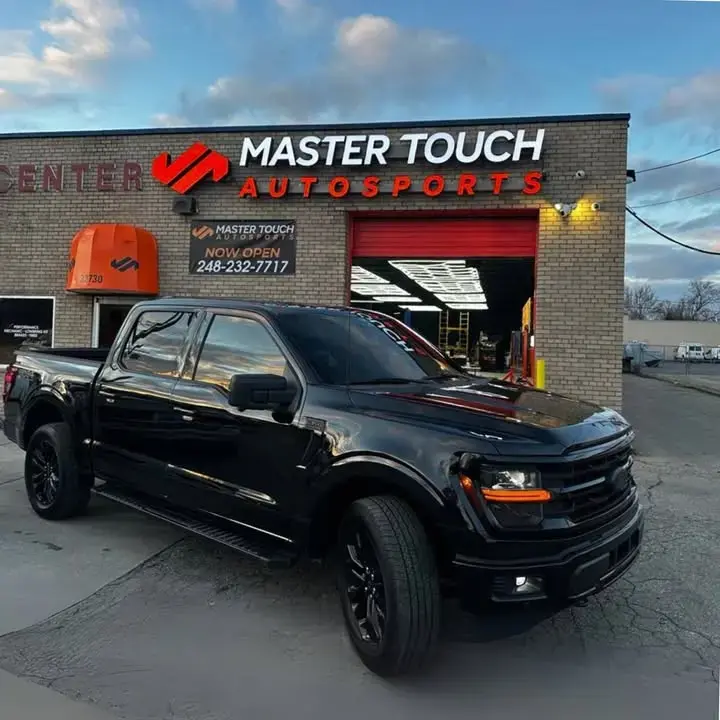
For expert window tinting that’s built to handle Michigan’s unique challenges, Master Touch AutoSports combines over 40 years of experience with lifetime installation guarantees and deep understanding of local conditions.